Short, punchy look at the 1911’s birthday and why this pistol still matters in American firearms culture.
It’s Valentine’s Day again, and while many are thinking flowers and dinner, today also marks the birthday of John Moses Browning’s famed 1911 pistol. That single design has threaded its way through a century of service, myth and civilian affection. The story of the 1911 is part machinery, part legend, and still very much alive.
Browning was issued the patent, No. 984,519, on this day back 115 short years ago, and firearms and military history would be forever changed through that innovation. The basic locked-breech, single-action design hit a sweet spot of reliability and simplicity that made the 1911 a standard-issue military sidearm for decades. That same mechanical clarity is why collectors and shooters still celebrate the platform.
Fun Fact, the 1911 was in fact patented by John Moses Browning on Valentines Day of 1911. pic.twitter.com/NnQ2vWdZCF
— Doc Strangelove (@DocStrangelove2) February 14, 2026
More than 7 million official 1911s have been produced, and there are countless unlicensed copies and boutique builds out there to prove the design’s staying power. My particular favorite copy is the Argentine Ballester-Molina, which, after 80 years, is still one of the nicest guns that I’ve ever handled. Those old Argentine pieces show how durable and user-friendly the layout can be when it’s well made.
The 1911’s footprint goes beyond the United States; 31 countries, as large as the United States and as small as Fiji, still use the 1911 in their military and police forces in some capacity. It has been present in more conflicts than most people can list off the top of their heads, from small skirmishes to global wars, and its influence pushed manufacturers to experiment with calibers and capacities. The platform even evolved into a modern double-stack 9mm variant often called the “2011” to meet contemporary needs for higher capacity without abandoning ergonomics.
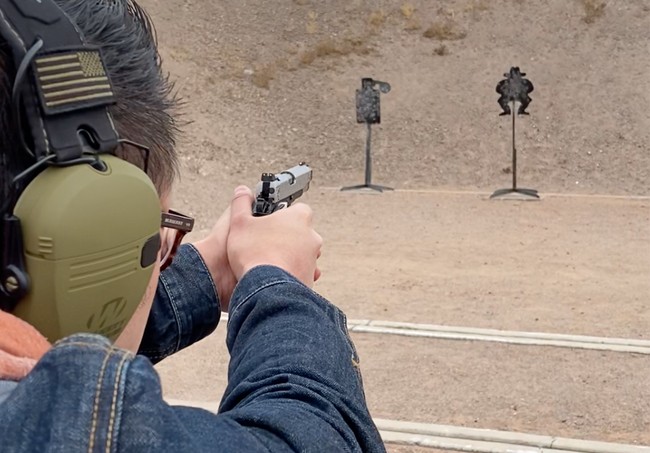
Fans praise the 1911 for its trigger feel, sight radius and the confidence a crisp single-action gives in rapid fire, but critics point to capacity and parts availability in mass-market shooters. Still, its silhouette and handling have inspired generations of custom shops and niche makers who keep the design fresh and relevant. Perhaps the only other firearm that could compete with its iconic nature would be the AK-47 in terms of global recognition.
There’s a cultural side to the 1911, too: it’s an American design that plugged into Hollywood, competitions, historical collections and carry culture. For our Virginian friends, the 1911 may soon be the only gun that they are allowed to possess. That line captures both affection and concern among owners who follow how law and regulation reshape what collectors can keep in a safe.
Collectors will argue about finishes, provenance and military stamps, while shooters will swap notes on springs, grips and feed ramps. Modern manufacturers keep pushing materials and coatings, so a century-old design runs on 21st-century engineering and materials science. Those upgrades mean you can own a piece of history that functions to modern standards without sacrificing the feel that made the design famous.
Enthusiasts celebrate anniversaries like this because they mark longevity as much as legacy, and the 1911 has proven resilient through changing tastes, tech and regulations. It remains a platform that invites tinkering, respectful debate and strong opinions from both new shooters and old hands. Happy 115th birthday to the winner of two World Wars. Here’s to another 115 years.