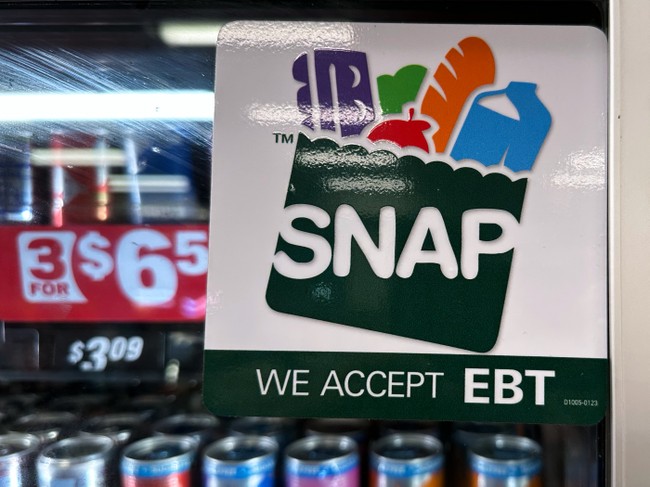
Alabama and California have moved to chip-enabled EBT cards after large-scale SNAP fraud was traced to their systems, aiming to add the same theft-resistant technology used by other financial accounts to protect benefits loaded by the federal government.
Two states have rolled out upgraded Supplemental Nutrition Assistance Program cards that use chip technology to make it harder for criminals to steal account data. The changes come after state officials traced millions in stolen benefits and sought a practical, proven tool to reduce fraud against low-income families.
Alabama announced its upgrade after detecting a major theft of benefits, and California logged even larger losses before deciding to switch to the new cards. Officials in both states say the chip feature should limit the impact of skimmers and other schemes that harvest card information during ordinary grocery transactions.
Alabama worked with Conduent Incorporated to introduce the chip-enabled EBT cards, and the new plastic has started arriving in mailboxes for recipients across the state. The rollout targets beneficiaries in both SNAP and the Temporary Assistance for Needy Families program, aiming to give households more certainty that their benefits will be available at checkout.
“I am so pleased to finally bring this instrumental change to our EBT cardholders statewide,” Alabama DHR Commissioner Nancy Buckner said in a news release. “After a successful pilot program, we have shown that these new cards are easy to use and offer much better protection for the benefits. I am pleased that with this chip technology upgrade, our clients can have more confidence that their benefits will be there when they purchase groceries. This is not the end; we will continue to work and develop new and innovative ways to better protect our clients and their benefits.”
State officials point to concrete losses that pushed the shift: Alabama recorded roughly $15 million in stolen SNAP benefits, while California tracked about $41.8 million tied to fraud. Those figures highlight how quickly fraud schemes can drain taxpayer-funded assistance that is supposed to feed families, which in turn prompted leaders to seek a technology-driven fix.
Conduent’s leadership framed the move as a straightforward application of technology already common in banking and retail. “We are honored to help Alabama DHR lead the way in giving their beneficiaries this critically important tool to protect their accounts and funds,” said Anna Sever, President, Government Solutions at Conduent. “Transitioning to chip technology is a proven fraud-prevention strategy. Chip cards are widely used across the country for other types of accounts, and EBT payments deserve the same level of security.”
The new, REAL FOOD Dietary Guidelines are here, paving the way for healthier choices and real wins across America. 🎉
➡️ We are more than doubling stocking standards for SNAP retailers, unlocking more nutritious options at nearly 100,000 locations nationwide!
➡️ 18 states have… pic.twitter.com/YKkgT3FNTi
— Secretary Brooke Rollins (@SecRollins) February 13, 2026
Federal involvement is central because SNAP and TANF benefits are loaded onto these cards by the government, and national trends show the vulnerability these accounts have faced. Across the country, criminals have siphoned large sums by installing fake skimmers or by exploiting weak account protections, creating a patchwork of risk that chip cards can help address.
Officials also note that several other states have started moving in the same direction, including Michigan, Oklahoma, Arkansas, Virginia, New Jersey, Maryland, and Massachusetts. Those transitions suggest a broader recognition that modern payment security standards should apply to benefit cards as well as bank and credit cards.
Beyond hardware, the response involves updating processes, testing usability, and educating recipients so that convenience is not sacrificed for safety. Authorities say the new EBT cards work like other chip cards at stores, and early pilots indicated beneficiaries could use them without extra hassle while enjoying better protection of their funds.
Despite the upgrades, the problem has been widespread: nationwide estimates show hundreds of millions in benefits have been taken through fraudulent schemes, including roughly $322 million stolen when criminals used skimmers to capture card information. That scale of loss has made prevention a priority for administrators concerned about both the safety of benefits and the integrity of distributed assistance.
Implementing chip cards is only one step, and officials emphasize continued vigilance, investigation, and coordination between states and private contractors. The goal is to reduce opportunities for theft while keeping access to essential assistance straightforward for households that rely on these programs.