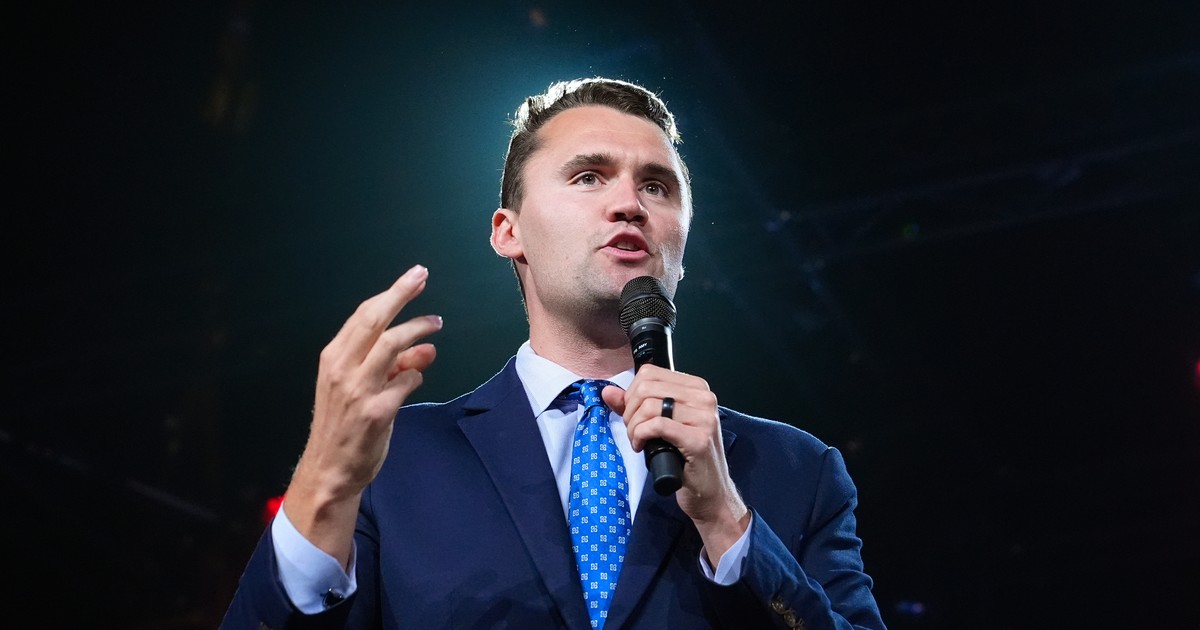
Arizona lawmakers moved forward with legislation to rename Phoenix’s Loop 202 after conservative activist Charlie Kirk, advancing a package that includes a specialty Turning Point license plate and now lands on the governor’s desk amid partisan friction and questions about whether the Democrat governor will sign it.
State legislators in Arizona advanced a bill that would officially rename the entire Loop 202 in Phoenix the “Charlie Kirk Loop 202,” a move that drew quick attention and predictable pushback. The route in question stretches roughly 78 miles and the legislation would apply to the whole corridor, not just a single stretch of freeway. Supporters framed the proposal as honoring a high-profile conservative voice, while opponents framed it as a partisan stunt tied to national politics.
The bill cleared the Arizona Senate on a party-line vote and is headed to the state House, where Republicans hold the majority and are expected to approve it along similar lines. That neat partisan split makes the governor’s decision the real question mark, since a signature or veto would settle the matter. Alongside the renaming, lawmakers are also advancing a bill to create a Turning Point-themed license plate, signaling coordinated interest in enshrining the organization’s brand into state policy.
Arizona lawmakers have approved a bill to rename the 202 loop freeway after Charlie Kirk.
Follow: @AFpost pic.twitter.com/UDFmmG7K3p
— AF Post (@AFpost) February 22, 2026
Democrats who opposed the measure have offered explanations beyond policy disagreements, pointing to an unrelated incident in which a Republican state senator left the chamber during a moment of silence for Jesse Jackson. That episode became fodder for Democrats to justify their vote, even though supporters argue the renaming has nothing to do with procedural floor conduct and everything to do with acknowledging a nationally known conservative figure. The debate quickly took on the tone of a cultural clash rather than a narrow transportation decision.
At the center of the next step is Gov. Katie Hobbs, whose signature would make the change official or whose veto would block it. When local outlets sought comment, her office declined to say whether she would sign either bill, a nonanswer that left observers to read the political tea leaves. Hobbs also did not attend a public memorial tied to Kirk, later saying she had not been invited even though the gathering had been publicly advertised and widely reported.
One sign that Hobbs may be weighing political pressure rather than neutral governance came when she publicly rebuked Arizona Attorney General Kris Mayes after Mayes made comments where she seemingly pondered how leftist radicals could justifiably kill masked federal agents. That rebuke suggested Hobbs is sensitive to optics on law and order, and it gave conservatives hope she might avoid a veto that would inflame the base. Still, a governor balancing intra-party and statewide considerations faces stark choices when votes line up by party.
Conservative groups close to the effort have already telegraphed their response if a veto comes down, saying Turning Point Action would escalate its ground operation and mobilize voters to hold leaders accountable. That kind of threat is part of the modern political tool kit: when policy fights turn personal, the next phase is often retail politics and message-driven campaigns. Supporters argue that pressure from grassroots networks is a legitimate check on officials who ignore conservative priorities.
The controversy underscores how even routine matters like naming a highway now live inside the national culture war, where symbolism and loyalty matter as much as traffic signs. Opponents frame their vote as a protest against partisan theatrics, while proponents insist the designation honors a prominent conservative organizer. Either way, the choice will test Hobbs’s appetite for confrontation with an energized conservative movement that sees symbolic wins as strategic gains.
Beyond politics, the proposal touches civic norms about how public spaces recognize public figures, who gets memorialized and why. Changing signage on a 78-mile loop is not trivial: it carries cost, commemoration, and messaging consequences that extend past a single legislative session. As the House prepares to act and the governor weighs options, the debate will continue to play out in public, with both sides appealing to voters and asserting contrasting views of what the state’s public landscape should represent.