The U.S. Central Command has laid out a clear, forceful update on Operation Epic Fury, detailing targets, damages, and outcomes while making plain that American forces suffered no combat casualties and that the campaign focused on degrading Iranian warfighting capacity.
The Pentagon’s CENTCOM offered a direct status report on Operation Epic Fury, the coordinated U.S.-Israeli campaign aimed at degrading key elements of Iran’s security apparatus. Officials framed this as a concentrated burst of military power designed to remove imminent threats and blunt Tehran’s ability to wage asymmetric attacks. The update emphasized mission progress and the protection of U.S. personnel and assets across the region.
CENTCOM confirmed that U.S. forces did not suffer any casualties or combat-related injuries during the initial phases of the operation. Reports of a Shahed-style drone attack on Naval Support Activity Bahrain prompted concern, but CENTCOM described the damage as “minimal” and said base operations were not impacted. Satellite imagery and footage circulated online showed damage to a radar site, yet the command insisted the facility’s core mission continued uninterrupted.
— U.S. Central Command (@CENTCOM) February 28, 2026
The campaign began in the pre-dawn hours and CENTCOM called it the “largest regional concentration of American military firepower in a generation.” That characterization underlines how the United States and partners mobilized assets to hit a wide range of Iranian capabilities in a short window. Sources close to the operation say the effort appears to be a phased series of strikes intended to degrade infrastructure and command nodes over days rather than a single, isolated event.
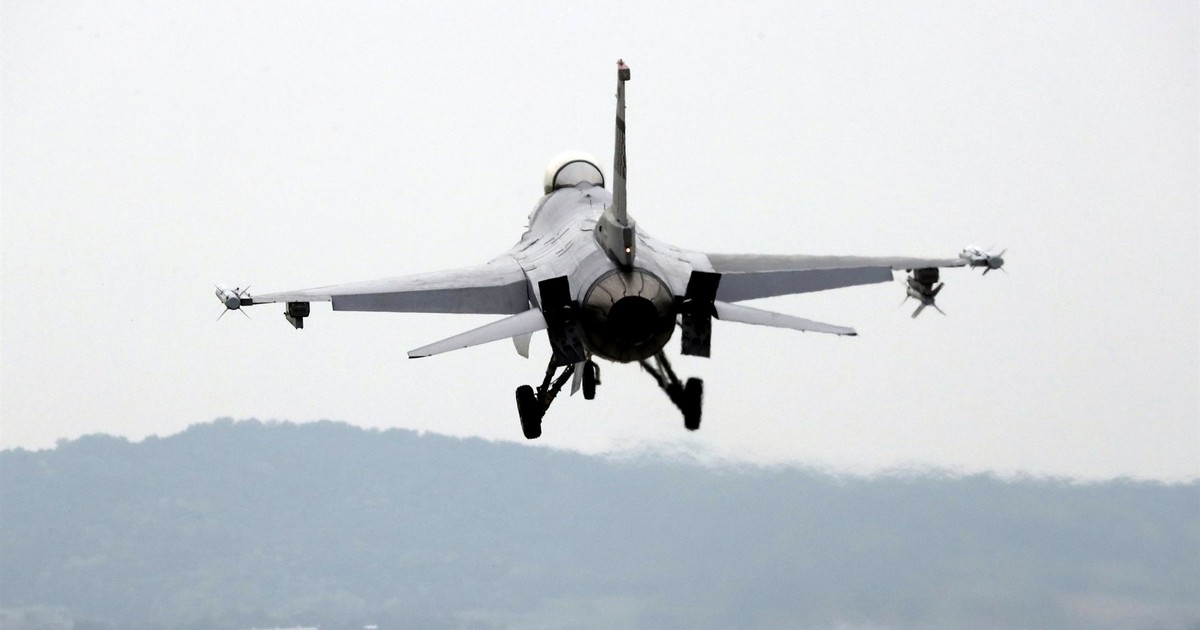
Initial targets focused squarely on military and warfighting capacity: airfields, drone and missile sites, air defense systems, and Revolutionary Guard command and control centers. CENTCOM framed the strikes as aimed at locations posing an imminent threat to U.S. forces and regional stability, not at civilian infrastructure. That focus reflects a conventional military logic of targeting combat capabilities while minimizing broader escalation risks.
The reports from the field continue to leave some questions open about the broader coalition effort, especially Israel’s role. CENTCOM’s statement indirectly confirms Israel took direct action against Iranian leadership elements, and international chatter has included unverified claims about the status of top Iranian figures. Those claims remain in the realm of speculation until concrete confirmation appears from reliable, official channels.
Adm. Brad Cooper, commander of CENTCOM, put the operation in stark terms: “The President ordered bold action, and our brave Soldiers, Sailors, Airmen, Marines, Guardians, and Coast Guardsmen are answering the call,” said Adm. Brad Cooper, commander of CENTCOM. That line captures the administration’s intent to pair clear political direction with decisive military execution. For Republicans watching, it reads as a return to an assertive posture that values deterrence and direct response to threats.
Beyond the immediate tactical results, CENTCOM’s update signals a message to Iran and to allied partners: U.S. forces are ready to act swiftly and in concert with partners to neutralize threats. The focus on degrading Iranian command and strike capabilities aims to reduce Tehran’s ability to launch follow-on attacks across the Gulf and neighboring theaters. For coalition planners, disrupting command links and weapon nodes is the fastest route to blunting an adversary’s operational reach.
Open questions persist about the longer-term campaign timeline and possible escalatory responses. CENTCOM describes the effort as the first phase of a broader pressure campaign, which suggests additional actions could follow as commanders reassess emerging threats and damage assessments. Policymakers will be watching for clear metrics of success and for steps taken to avoid unnecessary civilian harm or unintended escalation.
Domestically, the operation has hardened arguments for stronger, more visible deterrence, a stance favored by Republicans who argue that strength prevents protracted conflict. The administration’s decision-making, carried out with visible military precision, is being read as proof that bold direction from political leaders can produce swift, measurable results on the battlefield. That’s a plain political takeaway: decisive leadership backed by force can change the strategic picture quickly.
Editor’s Note: Thanks to President Trump and War Secretary Pete Hegseth’s leadership, the warrior ethos is coming back to America’s military.