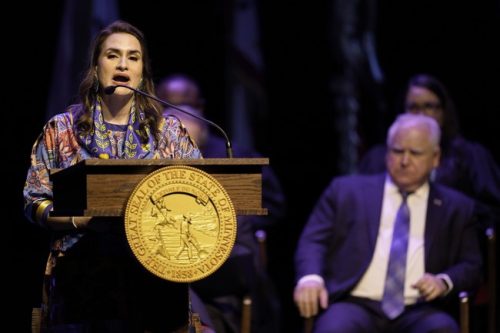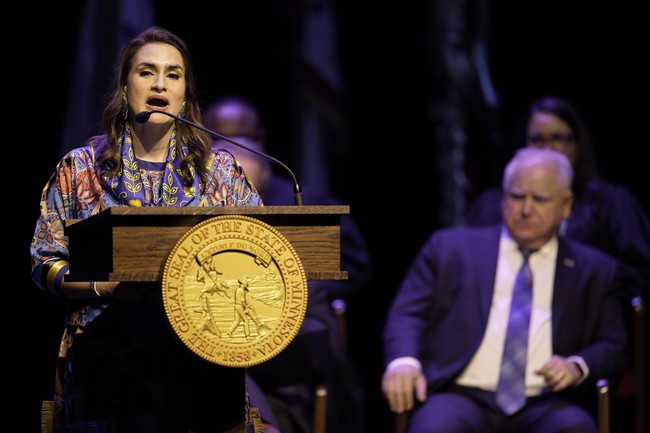
Peggy Flanagan, Minnesota’s lieutenant governor and a citizen of the White Earth Nation, shared her Ojibwe name on a public podcast, sparking reactions about identity, political theater, and the left’s habit of dramatic cultural signaling.
Peggy Flanagan is Minnesota’s lieutenant governor and a registered member of the White Earth Nation, a federally recognized Ojibwe tribe. She’s no stranger to the media cycle, showing up at events and on podcasts where identity and messaging matter more than policy details. That visibility makes every remark a political moment, and her tribe name was no exception.
That tribe name is Gizhiiwewidamoonkwe, which means “Speaking Loud Voice Woman.” The name landed in the public conversation fast because it’s vivid, perfectly on-brand for a politician who spends a lot of time performing for sympathetic outlets. Names from tribal languages deserve respect, but in politics they also become props.
“So my Ojibwe name is Gizhiiwewidamoonkwe, which means ‘Speaks in a Loud and Clear Voice Woman,'” Flanagan said. “And I am so grateful for my community and, you know, I am a member of the White Earth Nation, which is the largest tribe in Minnesota.” That quote is authentic and heartfelt, and it also gave critics immediate fuel to argue about authenticity and spectacle.
MN Lt. Governor Flanagan: "My name in my tribe is Gizhiiwewidamoonkwe…. It means Speaking Loud Voice Woman" pic.twitter.com/MsRIGU0A9n
— End Wokeness (@EndWokeness) February 13, 2026
Some observers reacted like they’d found the punchline to a political comedy sketch: They had to be trolling Flanagan with that name, right? It’s a fair reflex from voters who are tired of performative identity politics that substitute sloganizing for substance. The moment blurred cultural pride with campaign theater, and people noticed.
Yep. There’s no need to be coy: politicians often lean into cultural markers to score emotional points with a base. That’s not unique to one party, but when the left lectures others about cultural appropriation and purity while using identity as a marketing tool, the inconsistency looks obvious.
Pretty much. You can celebrate heritage and still call out the politics around how it’s used. When a name or a cultural tie becomes a headline, the story is rarely about the culture itself and more about the optics. Voters are increasingly skeptical when symbolism replaces concrete plans on crime, schools, and the economy.
The Left will insist that White people don’t have heritage or culture, but stole it from others. That claim is used to justify selective outrage and to cast some identities as more authentic political capital than others. It’s a shape-shifting standard that confuses sincere cultural ties with cynical political posturing.
Yes, they did. The irony is not lost on us. Claiming victimhood or exclusive ownership of culture while commodifying other traditions makes for messy politics. Flanagan’s name announcement is a reminder that identity can be wielded as both shield and sword, depending on who’s speaking.
Remember, Flanagan is the woman who told anti-ICE Leftists to “put their bodies on the line” to protect illegal immigrant criminals in Minnesota. That line made headlines because it framed civil disobedience as moral duty rather than a policy debate. For many voters, rhetoric like that underscores a bigger worry: leadership that prefers theatrics and moralizing to clear, enforceable policy.
Editor’s Note: The Democrat Party has never been less popular as voters reject its globalist agenda. That sentiment is part political calculation and part genuine frustration from citizens who want practical solutions over performative identity politics. As this episode shows, the politics of symbolism still drives headlines, but substance is what wins votes in the end.