Florida now requires new drivers to take the written driving exam in English, and the rollout has exposed clashes between safety-first policy, language access debates, and predictable media outrage.
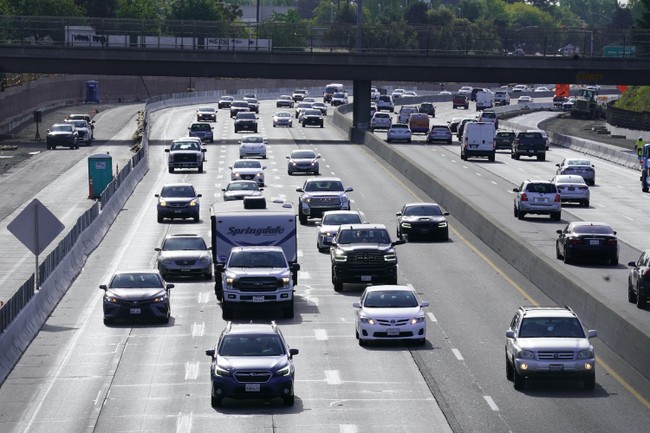
Florida’s new rule asks all new drivers to sit the written licensing exam in English, a change officials say ties to roadway safety where signs and instructions are in English. The move followed what the state described as a pattern of fatal accidents involving drivers who did not speak English fluently. That practical angle is central to how supporters frame the rule: if you’re behind the wheel of a car in America, you should be able to read and understand the rules that keep everyone alive.
Local coverage showcased the human drama the policy can produce, and the visuals were deliberate: a distraught woman named Daniela brought to camera tears over having to retake her test in English after previously passing it in Spanish with a third-party administrator. “I took a course,” Daniela told the interviewer in Spanish. “I did the entire exam and now I have to retake it. Now I have to take it in English. I don’t speak English.
This Florida woman passed her driver's license test in Spanish but now has to retake it in English, the problem is she does not speak it….this is the best thing @RonDeSantis has done. No more free passes for tortas. pic.twitter.com/S2NBp5UF8o
— Royce Lopez (@hippojuicefilm) February 7, 2026
The reaction from some journalists was predictable. Reporters framed the requirement as harsh and highlighted “some residents” who oppose it, while leaning on the “experts” at the “fact-checking” organization with a prominent left-wing bias PolitiFact to downplay the policy’s effects. That mix of selective human interest and friendly expert opinion is a familiar media play: emphasize the one emotional story, then rely on a preferred source to argue that the law won’t matter much in the long run.
On the other side, supporters point to common-sense reasons for the rule. Road signs, emergency instructions, and interactions with law enforcement and first responders are overwhelmingly conducted in English across the United States, so being literate in English while operating a vehicle is not an unreasonable expectation. Saying so out loud isn’t cruel, it’s practical: a driver who can’t read a stop sign or follow a police officer’s directions poses a real risk to themselves and others.
There’s also a fairness argument that gets overlooked in coverage. Allowing third-party administrators to certify someone in a language that differs from the on-road reality invites inconsistency and potential fraud. If licensing is a public safety function, the state has the right to standardize how knowledge is tested, and that includes the language of the exam.
The policy has a political flavor, too. Governor Ron DeSantis weighed in on social media in support, and that predictable conservative backing drew more heat from outlets already skeptical of his agenda. For many Republicans, this is an issue of law, order, and common-sense assimilation—a simple rule that expects newcomers to adapt to basic public norms that protect lives.
Critics call this nativism or needless hardship, but the counterargument from the right is straightforward: language rules tied to public safety are not about culture wars; they are about preventing accidents and ensuring clear communication on the road. When an exam grants a license in a language that does not match the language of road signage, it creates a gap between certification and real-world competence.
Media coverage that frames the story as only about one crying individual misses the broader point and understates legitimate safety concerns. The mainstream press was quick to elevate emotion and cite friendly fact-checkers while downplaying the basic logic that anyone operating a car should be able to understand the rules that govern it. That tilt fuels distrust and gives conservatives an easy talking point about bias.
Editor’s Note: The mainstream media continues to deflect, gaslight, spin, and lie about President Trump, his administration, and conservatives. The conversation over this policy will keep getting political, but the central, dangerous mismatch—between how someone is tested and what they must interpret on the road—won’t disappear just because a TV camera focuses on tears instead of traffic fatalities.