A former New York operations manager was sentenced in connection with a long-running scheme that steered medically unnecessary brain scans through kickbacks and sham contracts.
A federal judge in Boston sentenced Timothy Doyle, 45, of Selden, N.Y., to 14 months in prison, followed by one year of supervised release. The court also ordered restitution of $27 million and more than $1 million in forfeiture. In January 2025, Doyle pleaded guilty to one count of conspiracy to violate the anti-kickback statute.
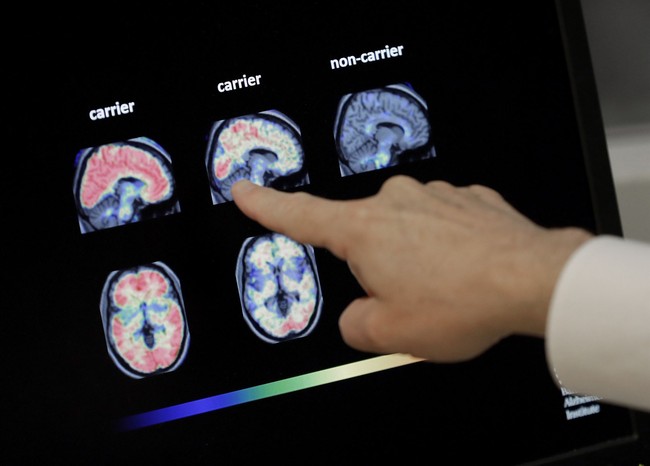
The conduct described in the charging documents stretches from at least June 2013 through at least September 2020 and involved a mobile medical diagnostics company that provided transcranial doppler scans, or TCDs. TCD scans measure blood flow in parts of the brain, and the government says the defendants arranged payments tied to the number of tests ordered. Those payments came in cash and by check, with doctors allegedly compensated based on the volume of referrals rather than legitimate services rendered.
Prosecutors say Doyle and co-conspirators drafted rental and administrative service agreements that looked valid on paper but were actually a cover for pay-per-test kickbacks. The agreements were presented as compensation for space and administrative resources at fair market value, while in reality payments tracked how many TCDs each doctor ordered. Those sham contracts concealed the true financial relationship with the TCD company and enabled fraudulent billing to Medicare.
The scheme produced roughly $70.6 million in fraudulent bills submitted to Medicare, and Medicare ultimately paid about $27.2 million to the TCD company for those claims. That scale of improper billing triggered investigations by multiple federal law enforcement and inspector general offices. The case highlights how paperwork can be used to disguise transactions that violate federal anti-kickback laws and distort clinical decision making.
Federal officials who announced the case include United States Attorney Leah B. Foley; Roberto Coviello, Special Agent in Charge of the U.S. Department of Health and Human Services, Office of Inspector General; and Ted E. Docks, Special Agent in Charge of the FBI Boston Division. Other participating agencies were the Internal Revenue Service Criminal Investigation, the Department of Labor Office of Inspector General, the U.S. Postal Inspection Service in Boston, and the Department of Veterans Affairs Office of Inspector General. Assistant U.S. Attorney Mackenzie Queenin, Chief of the Health Care Fraud Unit, prosecuted the matter.
The indictment and charging documents lay out the alleged scheme in detail, describing how referral-driven payments replaced legitimate business arrangements. Prosecutors focused on the transactional mechanics: how doctors were paid, how invoices and rental agreements were drafted, and how billing was routed to Medicare. These are the elements that the government says converted routine administrative paperwork into the instrument of a kickback scheme.
Sentencing in federal court underscores the serious penalties for healthcare fraud, including prison time, restitution, and forfeiture of ill-gotten gains. The monetary remedies ordered here aim to return funds tied to improper claims and to penalize those responsible for steering unnecessary services. At the same time, criminal penalties serve as a warning to others in the healthcare industry who might consider similar referral-based arrangements that run afoul of federal law.
Timothy Doyle, a former operations manager from Selden, NY, was sentenced to 14 months in federal prison for conspiring to offer and pay kickbacks to doctors in exchange for ordering medically unnecessary brain scams. This scheme resulted in approx. $70.6 million in fraudulent… pic.twitter.com/C3KorMv29G
— FBI Boston (@FBIBoston) February 13, 2026
The legal process continues for others connected to the case, and the court materials contain allegations that have yet to be proven at trial. “The details contained in the charging documents are allegations. The remaining defendants are presumed innocent unless and until proven guilty beyond a reasonable doubt in a court of law.”