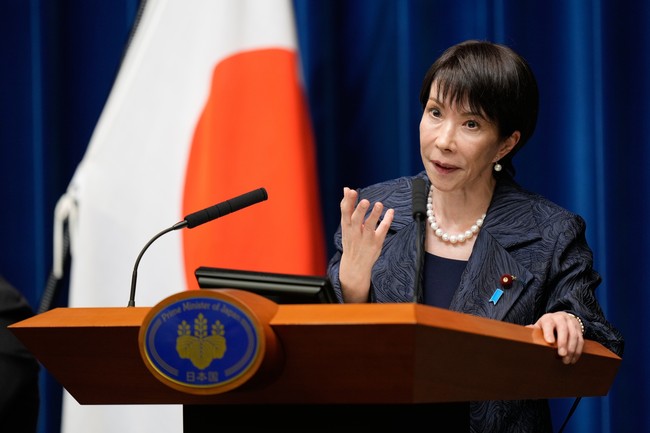
The Japanese snap election delivered a dramatic conservative sweep led by Prime Minister Sanae Takaichi, producing a rare supermajority in the lower house and setting the stage for an assertive conservative agenda on taxes, defense, and immigration.
The victory in Japan was decisive and unexpected for many, including members of the ruling party. Takaichi secured control of a newly elected Liberal Democratic Party that pushed past the threshold needed for a supermajority in the 465-seat lower house. The result gives her coalition the muscle to pursue policy changes without being easily blocked by the upper house.
Voters turned out in bitter winter weather for a rare midterm-style vote that reshaped Tokyo’s power dynamic. Exit polling and official counts showed the LDP and its coalition partners capturing a commanding share of seats, a result that stunned observers who expected a closer race. That kind of consolidated authority is rare in postwar Japan and represents a meaningful shift toward conservative governance.
Takaichi, who took office in October after being elected leader of the governing Liberal Democratic Party (LDP), surpassed the 310 seats needed for a supermajority in the 465-seat lower house, Japanese public broadcaster NHK reported from the official election count Sunday evening. The supermajority allows her ruling coalition to override the upper house, where it lacks a majority.
An NHK exit poll as voting ended earlier Sunday projected the LDP would win 274 to 326 seats. The party and its coalition partner, Ishin, were projected to win a combined 302 to 366 seats as voters turned out amid freezing temperatures in a rare winter election.
The far-right Sanseito party, which promises to put “Japanese first,” was projected to take up to 14 seats, according to the exit poll, which would quadruple its numbers but fall short of the 30 it had targeted.
Speaking from LDP headquarters as the results came in, Takaichi said her party’s coalition with Ishin would continue, adding that she would place importance on fiscal sustainability and had no plans for a major cabinet reshuffle.
Japan got the smallest taste of diversity and this is how their population voted.
Right-wing parties now hold nearly 80% of the seats in the House of Representatives while left-wing parties only hold 5 in total. 🇯🇵 pic.twitter.com/P5pnkl0lK7
— Visegrád 24 (@visegrad24) February 10, 2026
From a Republican perspective, this kind of result is straightforward: voters rewarded a clear conservative message that focused on national interest, fiscal responsibility, and stronger borders. Takaichi campaigned on a promise to prioritize Japanese citizens first and to pursue tax relief and economic reforms. President Trump publicly congratulated her, viewing the win as validation of a like-minded leadership stance and a policy path that includes tax cuts.
Several nationalist and conservative parties that gained seats pushed immigration and wage growth to the front of the debate, pressuring the new government to act quickly. Small but vocal formations such as Sanseito expanded their presence, amplifying a call to restrict immigration and protect local workers. Those forces helped push immigration into the spotlight as a decisive electoral issue.
Ms. Takaichi’s Liberal Democratic Party won in a landslide, securing a rare supermajority in the 465-member House of Representatives, the lower house of Japan’s bicameral Parliament, according to NHK, the public broadcaster. The party won 316 seats, up from 198, NHK said — the first time since World War II that a Japanese political party has won more than two-thirds of the seats.
The result clears the way for Ms. Takaichi to enact a conservative agenda on defense and social issues and to strengthen her position on the global stage, with President Trump having given her candidacy a ringing endorsement.
[…]
Ms. Takaichi’s win comes as right-wing groups in Japan are gaining strength. Sanseito, a Japanese political party that shares some similarities to Mr. Trump’s MAGA movement, won 15 seats, up from two, according to NHK. The party has an outsize voice in national politics, and it has put pressure on Ms. Takaichi to move swiftly to raise stagnant wages and crack down on immigration.
That momentum gives Takaichi leverage to pursue tax cuts and tougher immigration controls without being sidelined by the opposition in the upper chamber. A supermajority makes it politically easier to push through legislation and to signal resolve to allies and rivals abroad. For conservatives watching from Washington, Tokyo’s result looks like a model of disciplined messaging and electoral discipline.
The immigration issue resonated because Japanese voters see direct consequences for jobs, public services, and national identity. Conservative parties framed higher immigration as a threat to wages and social cohesion, and the message stuck in key districts. When voters view immigration as a core concern, they tend to back parties that promise firm enforcement and prioritization of citizens.
Contrast that with the Democrats back home: a party that often champions open borders and lax enforcement finds those positions politically vulnerable when voters prioritize security and jobs. The Japanese result offers a reminder that immigration is not just a niche issue; it can reshape majorities when framed around practical impacts. Messy policy positions and weak enforcement rarely win when the public feels their priorities are being ignored.
The new Japanese government now faces the hard work of delivering on campaign promises without alienating moderate voters who backed stability and economic relief. Expect debates over defense, social policy, and the pace of tax reform to dominate the next session. For conservatives, the test will be turning electoral success into concrete policy wins that improve living standards and national security.
The election also shows that clear messaging and responsiveness to voter concerns matter more than flash. Parties that stick to a coherent platform and articulate how policies will benefit citizens can win big. Japan just provided a stark example of how voters reward parties that promise to put their country first.