Los Angeles County supervisors approved a sales tax measure that would raise costs on everyday goods and restaurant purchases, sparking criticism that Democrats are choosing new taxes over relief for working families.
Democrats like Zohran Mamdani and Abigail Spanberger ran on promises of “affordability.” Instead, critics point to rising costs and local failures—examples include overflowing trash, worsening homelessness conditions, and higher transit fares—while other states face a raft of new taxes on routine purchases and services.
Locally, L.A. County supervisors voted to put a tax increase on the ballot that will hit retail sales and restaurant bills, a move opponents say will be felt immediately at the checkout. The board approved the measure 4–1, with the lone Republican member voting against it, arguing it punishes families who are already stretched thin.
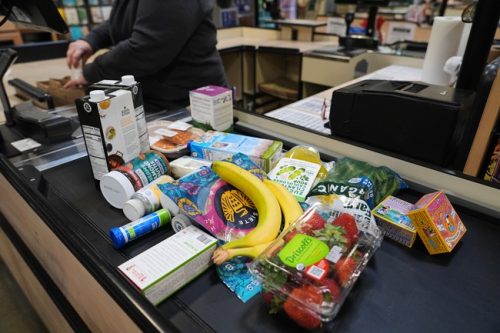
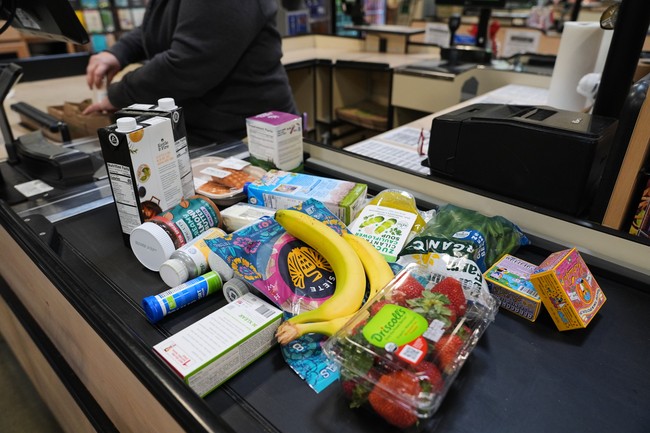
That vote reflects a familiar pattern where elected Democrats promise relief but approve new levies instead, shifting the burden to consumers rather than cutting waste or targeting actual cost drivers. Families who must stretch paychecks will see grocery and dining bills rise if the measure passes at the ballot box.
LA tax hike that will raise price of groceries greenlit for ballot — as sole Republican votes against it https://t.co/JwAegEUgUb pic.twitter.com/LifC8Aswf0
— New York Post (@nypost) February 11, 2026
The debate quickly turned partisan, with proponents saying the revenue is needed to shore up local health programs threatened by federal changes, and opponents saying it is a blunt instrument that raises prices across the board. Voters will now decide whether to accept a higher sales tax that applies to everyday purchases they cannot avoid.
A new tax hike on residents that would spike the cost of almost everything — including shopping, dining and other everyday purchases across the county — was approved Tuesday by LA County Supervisors to head to voters.
But because the tax would apply to retail sales and restaurant purchases, it was quickly trashed by opponents who say it raises prices for families regardless of whether they use affected health care services.
Lone Republican Supervisor Kathryn Barger cast the only no vote on the board — which passed 4–1.
Supervisors Hilda Solis and Holly Mitchell pushed the half-cent sales tax they say will help counter looming federal health care funding cuts that threaten Medi-Cal services.
Critics argue there are smarter places to find savings than a sales tax that hits everyone, such as trimming bureaucracy or targeting assistance to households that truly need it. Instead, the approach being pushed amounts to broad-based taxation that leaves no one untouched, including shoppers and small businesses.
Some defenders contend the half-cent measure is a short-term fix for looming funding gaps in county health programs, but that does not change the fact voters will pay more when they shop. And when families are deciding between rising food costs and other essentials, a blanket sales tax makes choices even harder.
Meanwhile, the county still wrestles with visible problems that have gone unaddressed for years, from shelters and housing backlogs to sanitation and public safety concerns. Passing taxes without showing clear, effective solutions feeds the sense that government spends first and asks questions later.
Republicans on the board framed their opposition as defending working people who bear the brunt of regressive taxes, while Democrats framed the vote as necessary to protect vulnerable residents from federal cutbacks. The reality for most families is that added costs at the register are immediate and unavoidable.
Voters will have the final say on whether to approve the county’s plan, weighing promises of preserved health services against the certainty of higher grocery and dining bills. Either way, the debate exposes a deeper divide over whether tax hikes are the right tool to respond to budget pressures and social needs.
Expect elected Democrats to claim the mantle of helping the working class after the measure moves forward, even as critics point out the policy truly hits the working poor hardest. The political spin will come fast; the price increases will be felt at the cash register.
Local residents and small business owners now face both practical and political choices: contest the policy at the ballot box or accept a higher cost of living. Either option will shape the county’s fiscal direction and the everyday economics of millions of households.
The debate over this sales tax is part of a larger pattern of policy choices that prioritize new revenue streams over spending reform, a dynamic that many conservatives say needs correcting. If leaders want trust to return, they should begin by showing restraint and clearer priorities before asking more from struggling taxpayers.
For now, the county has sent the question to voters, who will have to decide whether protecting programs as proposed is worth the guaranteed hike in prices across supermarkets and restaurants. That is a straightforward choice voters will face at the polls.