Pakistan says it has moved from skirmishes to an “open confrontation” with the Taliban after a wave of cross-border strikes and retaliations, with both sides reporting significant casualties and border tensions escalating.
Pakistan’s military action across the Afghanistan border has sharply raised tensions in the region, and officials are using straightforward language to signal a tougher posture. Public statements from Islamabad and Kabul show that both governments are prepared to trade fire rather than rely on quiet diplomacy. This shift matters because it risks wider instability in a neighborhood already struggling with insurgency and weak state control.
Pakistan’s Defense Minister made the posture crystal clear when he posted on X: “Our patience has reached its limit. Now it is open confrontation.” That line is short, blunt, and deliberate, meant to show resolve rather than invite debate. For a country that faces repeated militant threats and cross-border sanctuaries, signaling firmness is a political and strategic move.
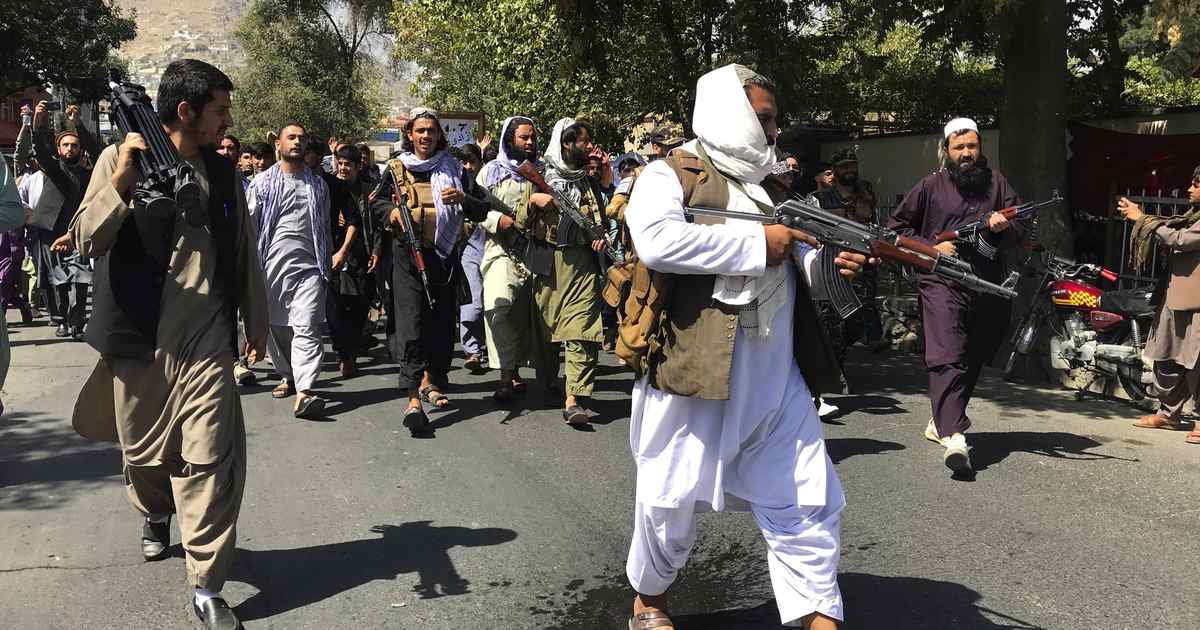
On the ground, Pakistan carried out strikes that reached Kabul and other Afghan provinces on Friday, marking an escalation beyond limited border raids. Those strikes come after a pattern of attacks attributed to militants operating from Afghan territory and a growing impatience in Islamabad with what it sees as Kabul’s inability or unwillingness to prevent cross-border attacks. Military planners in Pakistan argue that leaving sanctuaries untouched only invites more violence inside Pakistan.
The Taliban’s official spokesman, Zabihullah Mujahid, acknowledged rising tensions along the Afghanistan-Pakistan border, signaling the militants are watching how far Islamabad will push. Kabul-based commanders and Taliban-aligned units have already responded in kind in multiple sectors, and local communities are bearing the cost. Civilians and displaced families near the frontier face a new round of uncertainty as both sides step up operations.
PAKISTAN'S DEFENSE MINISTER JUST DECLARED WAR ON AFGHANISTAN
Khawaja Muhammad Asif:
"Our patience has reached its limit. Now it is open confrontation.
Now there will be decisive action."
This comes after days of escalating violence. pic.twitter.com/D75XSJHdC9
— Siddhant Mishra (@siddhantvm) February 27, 2026
Casualty figures reported so far point to a sharp toll among Taliban fighters, with over 100 reported killed in the initial exchanges. Those numbers, cited by international outlets tracking the fighting, indicate a fierce round of engagements rather than the sporadic skirmishes that marked earlier phases. High fighter casualties could provoke revenge attacks, which in turn could prompt more Pakistani operations.
Analysts who follow South Asia warn that once two neighbors move from cautious posturing to open strikes, the situation becomes harder to manage. Local commanders tend to act fast, and political leaders on both sides may find it difficult to rein in forces once momentum builds. For Pakistan, domestic politics will push leaders to look decisive, while Afghanistan’s fractured governance complicates any neat back-channel resolution.
A Republican perspective here stresses deterrence and clarity: if militant sanctuaries are tolerated, violence will spill over and threaten more citizens. That view favors a robust reaction to protect national territory and citizens, while also pushing for international attention on Afghanistan’s role in harboring fighters. At the same time, responsible action requires clear limits to avoid dragging the region into a larger, uncontrolled conflict.
The unfolding clash will test Islamabad’s ability to calibrate operations so they hit militant targets without provoking broader instability. Observers will be watching whether Pakistan pairs military pressure with diplomatic outreach to neutral regional partners to keep the confrontation from widening. In Washington and allied capitals, officials will likely weigh support for Pakistani efforts against concerns about escalation and civilian harm.