ProPublica published the names of the two CBP agents tied to the Alex Pretti shooting, sparking fresh outrage and intensifying the debate over media responsibility, law enforcement transparency, and the safety of officers doing their jobs.
The way the story unfolded felt like a media power play, with outlets assuming they can expose federal officers and short-circuit investigations. Multiple official probes are underway into the January 24 shooting that left Alex Pretti dead, yet a nonprofit decided to publish the agents’ identities anyway. That move has real consequences for officer safety and the integrity of ongoing inquiries.
The two federal immigration agents who fired on Minneapolis protester Alex Pretti are identified in government records as Border Patrol agent Jesus Ochoa and Customs and Border Protection officer Raymundo Gutierrez.
A note from our editors: https://t.co/5GkVSaDsaA pic.twitter.com/9mPoCZPe6X
— ProPublica (@propublica) February 1, 2026
The records viewed by ProPublica list Ochoa, 43, and Gutierrez, 35, as the shooters during the deadly encounter last weekend that left Pretti dead and ignited massive protests and calls for criminal investigations.
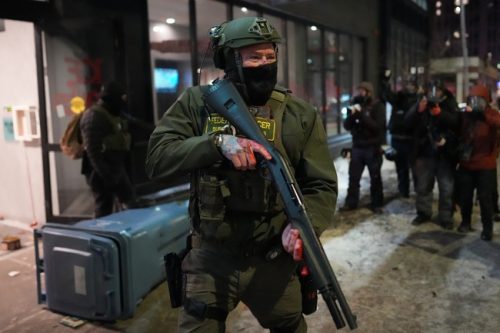
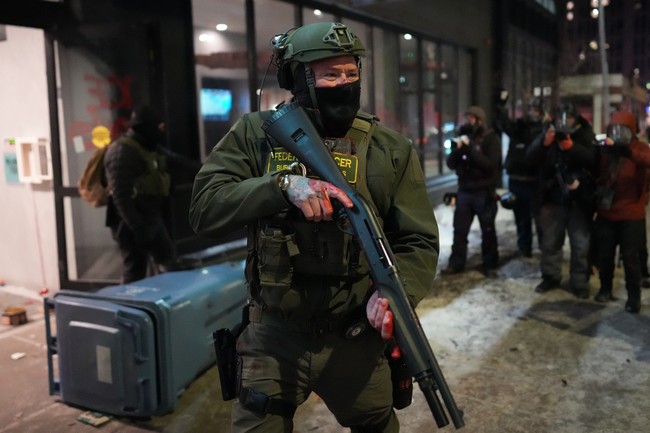
Both men were assigned to Operation Metro Surge, an immigration enforcement dragnet launched in December that sent scores of armed and masked agents across the city.
CBP, which employs both men, has so far refused to release their names and has disclosed few other facts about the deadly incident, which came days after a different immigration agent shot and killed another Minneapolis protester, a 37-year-old mother of three named Renee Good.
So the names were out. The predictable response from some quarters was immediate outrage and calls for recrimination, which is exactly why agencies sometimes withhold identities during sensitive probes. Naming the agents in the middle of public unrest makes them targets while investigations are still collecting basic facts. That is not accountability, it is escalation.
ProPublica’s piece included specifics that drove the story into the streets, and that matters because context changed as new video surfaced. Footage published after the initial reports showed Pretti confronting agents, spitting at officers, and damaging a squad vehicle. Those details complicate the martyr narrative being pushed by some activists and pundits.
We should be clear: interfering with a federal law enforcement action carries dangers, and activists who insert themselves into enforcement operations put officers and bystanders at risk. Compare the Pretti incident to the earlier case involving Renee Good, where a violent encounter also ended in a fatal shooting. Emotion and outrage do not replace the facts investigators must sort out.
The identities ProPublica published are Hispanic names, which undercuts the simplistic racial caricatures some on the left used to frame the story. That irony highlights how political theater often ignores the actual people and facts involved. When media outlets fan the flames by exposing officers, they fuel online mobs and make on-the-ground patrols even more dangerous.
Marsy’s Law, which aims to protect victims’ privacy and rights, has become a talking point here in a reversed form. There’s a growing argument that officers confronting violence deserve protections of their own while inquiries continue. Exposing names before investigations conclude undermines the measured process that should govern criminal and administrative reviews.
The bigger issue is trust. When a news organization treats its scoops like verifications and acts as prosecutor and judge at once, it erodes confidence in impartial fact-finding. People want accountability, but accountability requires patience, chain-of-custody for evidence, and careful handling of sensitive details that could endanger lives or taint legal outcomes.
Journalists and outlets should decide whether they are serving public interest or public theater, because the two are not the same. Releasing names mid-investigation risks more harm than clarity and invites the sort of reactive politics that makes honest inquiry impossible. Responsible reporting protects sources and subjects alike until facts are verified and processes are complete.
At the end of the day this is about institutions: law enforcement needs room to investigate, the public needs truthful reporting, and media organizations must choose whether they are stewards of information or accelerants of unrest. The choices made now will shape how similar cases play out across cities where protests, enforcement, and politics collide.