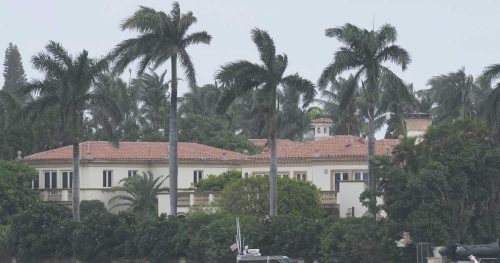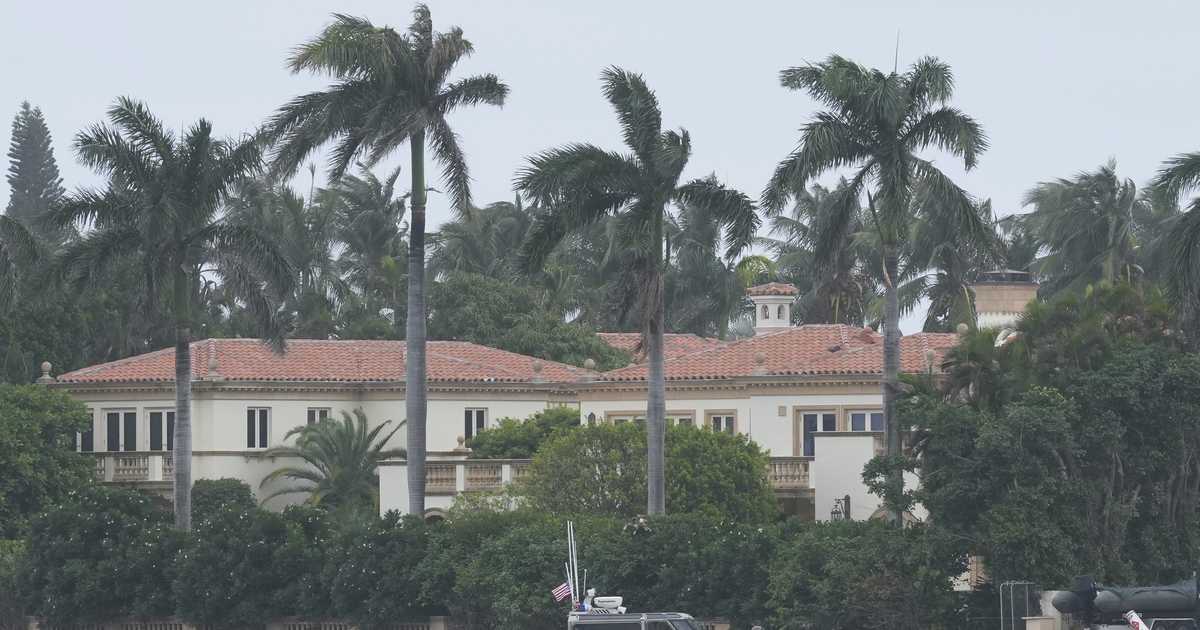
The Secret Service shot and killed a man who breached the secure perimeter at Mar‑a‑Lago in the early hours, law enforcement says, and agents are now under administrative review while the suspect’s background and motive are examined.
The agency confirmed that the incident took place at roughly 1:30 in the morning when a man gained access to the protected area of the Mar‑a‑Lago property, and no members of the Trump family were on site at the time. Officials described a rapid response by Secret Service personnel together with a Palm Beach County Sheriff’s deputy, saying the intruder was engaged as he moved deeper into the restricted zone. The situation ended with the suspect killed at the scene and investigators securing the area to begin a full inquiry.
The suspect has been described as a white man in his 20s who was reportedly carrying a gas canister and a shotgun when he breached the perimeter, and authorities assert he presented an immediate threat to agents and officers on duty. Police stated that the man “raised the shotgun to a shooting position” before officers returned fire, a detail that law enforcement sources are citing as the crucial moment that triggered lethal force. That timeline places the breach and the shooting within minutes of each other, underscoring how quickly the situation escalated.
🚨 BREAKING: The US Secret Service SHOT AND KlLLED an armed intruder who penetrated the secure perimeter at Mar-a-Lago this morning
The man in his 20s was carrying a shotgun and a fuel can.
MORE leftist vioIence!
When are the Democrats going to turn down their rhetoric??! pic.twitter.com/f4PF2E8qvK
— Nick Sortor (@nicksortor) February 22, 2026
The Secret Service issued a statement to say the response to the breach is being reviewed and that the agents involved have been placed on administrative leave pending that review, which is standard procedure in officer‑involved shootings. At the same time, the agency emphasized it is cooperating with local investigators while gathering evidence and witness accounts to reconstruct what happened during the early morning hours. The security posture at presidential properties has been a focus of scrutiny, and this attack will likely drive further operational assessments.
In its release the agency wrote that “the suspect’s background, actions, potential motive, as well as the officers’ use of force are all actively under investigation.” That language confirms a multi‑front inquiry is already underway and that investigators will examine both why the individual targeted the site and whether protocols were followed by responding personnel. Officials say they will withhold the suspect’s identity until next of kin are notified and until more complete forensic and administrative reviews are finished.
Observers who follow presidential security noted that recent upgrades and training can make the difference in fast‑moving incidents, and Dan Bongino had recently reported that the Secret Service had undergone extensive security upgrades that allowed them to rapidly neutralize the threat. Those enhancements, according to supporters, are designed to give agents the tools and tactics to contain a threat before it reaches protected people or critical areas, and this episode will be cited as a test of those changes. Lawmakers and security professionals will be watching the probe’s findings closely to determine whether additional investments or policy changes are needed.
No formal motive has been released and investigators cautioned that it is too early to draw conclusions about the suspect’s intent, affiliations, or possible planning leading up to the intrusion, since interviews and evidence collection are still in progress. Authorities also confirmed that forensic tests and video review will play central roles in assembling the timeline, and that any ballistic or trace evidence recovered at the scene will be processed through established channels. Until investigators complete those steps, officials will limit public details to avoid compromising the inquiry.
This incident puts a spotlight on the challenges of protecting high‑profile sites while maintaining civil liberties and procedural transparency, and supporters of strong security measures argue the agents’ quick action prevented a larger calamity. From a conservative perspective, the sequence of events reinforces the need for robust, well‑funded protection for public figures and properties that face real risks, while still ensuring the investigative steps required after a use of force are carried out thoroughly. The focus now is on the investigation, accountability where appropriate, and lessons that can be applied to keep Americans and designated sites safer going forward.