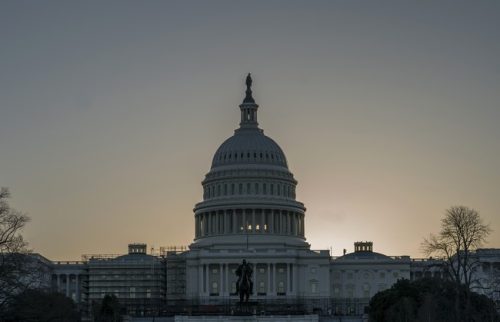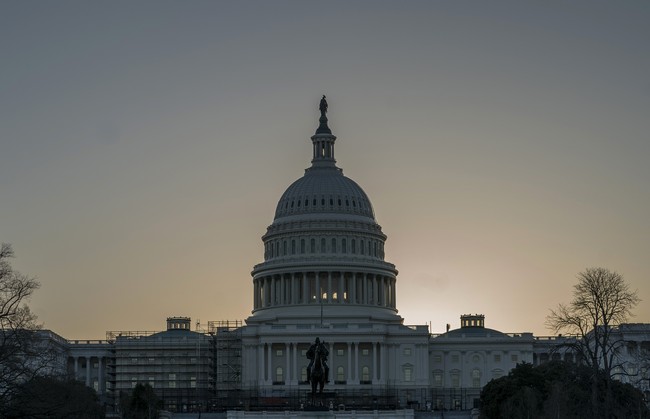
The Senate’s equal-state design dates to the 1787 Great Compromise and remains a target of modern criticism, with debates about representation, the 17th Amendment, and partisan efforts to shift power away from smaller states.
The Great Compromise of 1787 set the framework for American representation by balancing population-based seats in the House with equal representation for states in the Senate. Framers like Roger Sherman and others agreed that giving each state two Senators would protect smaller states from being steamrolled by larger ones. That structure has guided Congress ever since and still shapes legislative power.
Smaller states such as Delaware pushed hard at the Convention because a strictly population-based bicameral plan would have left them with almost no leverage. The result: every state, no matter its size, gets two Senators while the House scales with population. That trade-off is simple civic architecture, not an accident or an unfair loophole.
Today, many on the Left argue that two Senators per state is inherently unfair and should be changed to reflect population more directly. That argument treats the Senate like a popularity contest rather than a constitutional check designed to preserve the union of states with very different sizes and interests. If representation were only a numbers game, small-state concerns like rural infrastructure and resource management would vanish under coastal majorities.
That’s how the system was meant to work: it prevents a few dense, urban centers from wholly dictating policy for vast rural regions. States like North Dakota, South Dakota, and Wyoming have priorities and needs far different from those in New York City, and the Senate ensures those voices are heard. The two-Senator guarantee is a constitutional safeguard for regional balance and national cohesion.
Originally, Senators were appointed by state legislatures, which tied the federal chamber directly to state governments and their interests. The 17th Amendment changed that, shifting Senate elections to the people and altering the balance between state authority and national politics. That reform had consequences, and by itself it hasn’t settled the larger question about how to preserve state influence without undermining democratic accountability.
There are proposals and bluster that amount to the same goal: dilute the Senate’s equalizing power so national majorities can legislate more easily. Critics argue that such moves would make federal policy hostage to population centers and special interests at the expense of state sovereignty. For conservatives who value federalism, that is a worrying direction because it centralizes power and weakens local control.
More people live in Brooklyn than North Dakota, South Dakota, and Wyoming combined. New York State has 2 senators, those states have 6. https://t.co/XZViP8nqdm
— Climate Defiance (@ClimateDefiance) February 3, 2026
The push to marginalize small states is not subtle; it’s part of a broader effort to reconfigure political power in favor of one coalition. Those attempts often come dressed up as reforms, but their practical effect would be to strip certain regions of a meaningful voice in national lawmaking. Representation isn’t just arithmetic; it’s about protecting distinct ways of life and economic realities across the country.
This is not a complicated concept, though it’s been painted that way by those who prefer simple majoritarian fixes. The framers had good reasons for making compromises that would bind disparate states into a functioning republic. Pretending those safeguards are merely quaint obstacles ignores centuries of constitutional design and the reasons they were adopted.
From one side of the aisle there’s a blunt assessment: Democrats today favor changes that would tilt the political map toward high-population areas and reshape governance to their advantage. That’s a political observation, not a conspiracy theory, and it explains a lot of the energy behind calls to “reform” equal representation. When power shifts, incentives follow.
Efforts to remake representation often come with strategies that touch election rules, districting, and federal oversight, which critics say effectively interfere with local and state-level control. Undermining the balance between states and the federal government can look a lot like manipulating the system to keep one party dominant. The conservative view sees such moves as attacks on the constitutional order.
Those tactics might succeed in changing outcomes, but they would also change the nature of the republic the framers left us. Replacing protections for minority-state interests with raw population advantage would alter not just who wins elections but how policy gets made and whose voices matter. That trade-off is worth debating honestly, without euphemism or pretense.
The arithmetic is stark: New York has 26 House seats while Wyoming and the Dakotas combined have just three. Numbers in the House matter for legislation, but the Senate remains the firewall that ensures those three sparsely populated states can defend their distinct needs. Any serious discussion of reform has to reckon with that reality and with what it would mean for federalism and consensus building.