Mexican cartel violence erupted after federal forces killed CJNG leader “El Mencho,” leaving six states reeling, civilians trapped, and renewed questions about President Claudia Sheinbaum’s public stance against using force on cartels.
Over the weekend, six Mexican states broke into violence after federal forces announced the elimination of Nemesio Oseguera Cervantes, known as “El Mencho,” the leader of Cartel Jalisco Nueva Generacion. The coordinated reaction from the cartel produced widespread disruption, with major roads and public spaces targeted across multiple regions. The scale of the response showed how fragile security remains even after a high-value strike against cartel leadership.
Videos showed scenes from tourist areas and transport hubs, including Puerto Vallarta and Guadalajara’s airport, where fires and blockades made travel impossible and forced desperate locals and visitors into hiding. Businesses burned and vehicles were set aflame as the cartel demonstrated its ability to create chaos far beyond isolated neighborhoods. Those images underscored that cartel reach now threatens places once thought off-limits to organized violence.
American citizens and other foreign nationals were told to shelter in place as security forces and criminal groups clashed in urban centers. CJNG reportedly threatened to enter hotels and homes to kill civilians if authorities did not meet cartel demands, a claim that sent people scrambling for safety. Authorities managed to prevent wider bloodshed overnight, but the emergency response revealed weak spots in border and regional security.
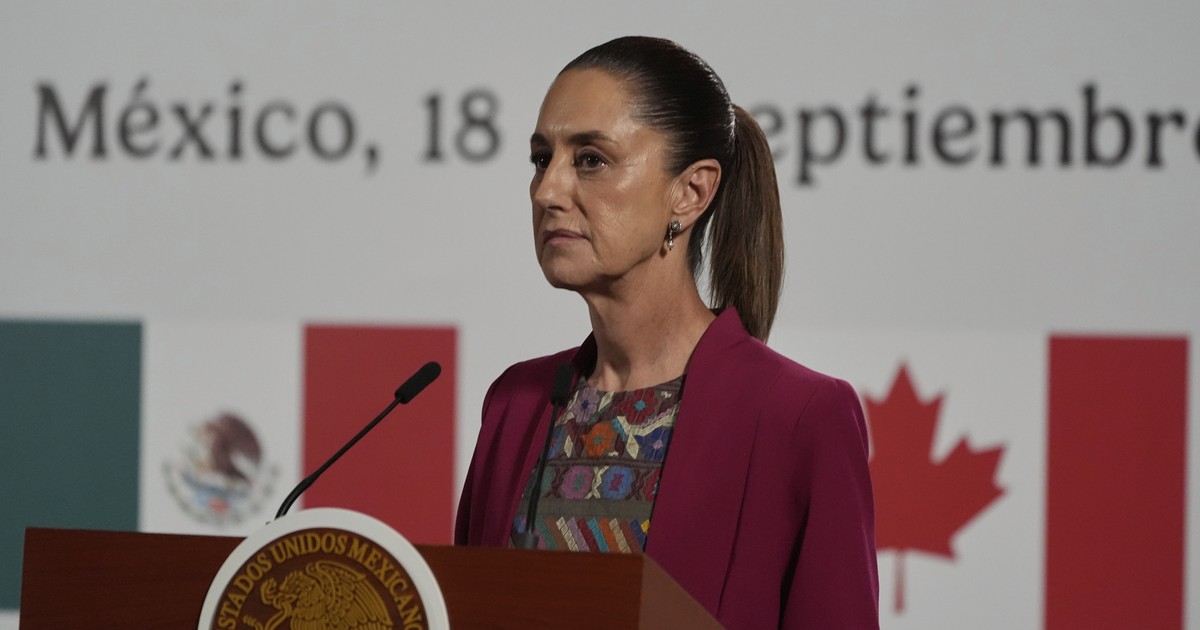
That backdrop matters because Mexico’s president has openly rejected a return to a force-forward strategy against cartels, framing that posture as legally and morally problematic. Her public refusal to lean on a hard security approach feeds suspicion that political leadership will not or cannot confront militants the way the situation demands. In the middle of a national emergency, those past statements now look like a strategic handicap.
“Then, returning to the war against the drug is not an option, not an option,” she said in a 2025 press conference. Her remarks then set the tone for a hands-off approach that opponents say empowers organized crime and leaves ordinary people vulnerable. That stance has become a focal point for critics who argue Mexico needs tougher, clearer leadership to restore public order.
Mexican President said using force against cartels would breach human rights:
“Returning to the war against the narco is not an option. First, because it is outside the framework of the law.” pic.twitter.com/nYtiZ8FEN5
— Open Source Intel (@Osint613) February 23, 2026
“First, because it is outside the framework of the law. All those on the right who fill their mouths with the word or words “Rule of Law” and defend the war against drugs, the war against drugs is outside the law, because – as I said or have said on several occasions – it is permission to kill without trial. And that in Mexico, nobody, or very few, are in agreement. It is outside the framework of the law. And second, it served no purpose other than to increase the murders in Mexico and the level of violence,” she continued.
The reaction on the ground, and among many Mexicans, has been to question whether high office has become too cautious for the problem at hand. Political rhetoric that rejects force sounds principled until cartels answer with arson and terror. The public sees a mismatch between declared principles and the urgent need to protect citizens and infrastructure.
Many observers noted that Sheinbaum could pivot now that the violence has gone international and Americans are at risk. Even critics who once defended her posture say the scale of disruption demands a different posture from Mexico’s security apparatus. The stakes are higher when tourist zones and airports become battlegrounds and when international attention forces policy disagreements into the open.
Some commentators predicted a short-term clampdown by federal forces to clear roads and reopen travel corridors, but skepticism remains about any lasting change. The military has reportedly removed many blockades and authorities expect flights to resume shortly, but those are containment moves rather than a comprehensive strategy. The bigger question is whether Mexican leadership will adopt sustained pressure on criminal networks or return to a posture of restraint.
Short bursts of military action can relieve pressure temporarily, but critics argue only sustained, coordinated policy and enforcement will roll back cartel power. Mexico’s security forces face the simultaneous challenge of responding decisively while respecting legal limits, a balance that opponents say has favored criminals for too long. Without clear political will to pursue long-term solutions, the cycle of violence and disruption is likely to repeat.
Yesterday Sheinbaum posted a public call for calm and emphasized coordination with state governments and the armed forces. “The Secretariat of National Defense reported on the operation carried out this morning by federal forces, which resulted in various blockades and other reactions,” she wrote. “There is absolute coordination with the governments of all states; we must remain informed and calm. The social media accounts of the Security Cabinet provide permanent updates. In the vast majority of the national territory, activities are proceeding with complete normality. My recognition to the Mexican Army, National Guard, Armed Forces, and Security Cabinet. We work every day for peace, security, justice, and the well-being of Mexico.”
Reports indicate many of the roadblocks have been cleared and that flights are expected to resume, which is welcome short-term news for stranded travelers. Still, the broader reality is this violence spilled across regions and borders, and cartel operatives are already embedded inside the United States. That fact strengthens the argument conservatives make about firm border control and decisive deportation policies.
The chaos that shut down airports and terrified thousands demonstrates why secure borders and relentless removal of criminal elements matter. The current crisis should be a wake-up call: weakness in either law enforcement or immigration enforcement invites violence, and contrasts sharply with the Trump administration’s push to fortify borders and accelerate removals. Policy choices on both sides of the border will determine whether this episode becomes an isolated shock or part of a worsening trend.