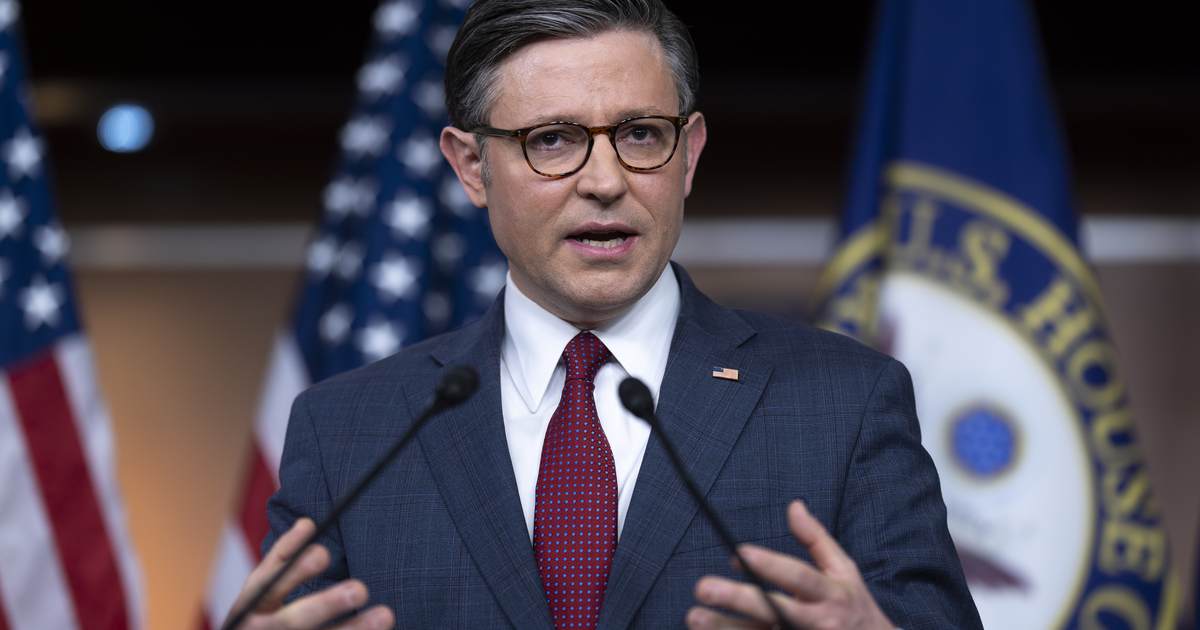
Speaker Mike Johnson said he nearly ordered the removal of Representatives Ilhan Omar and Rashida Tlaib after they loudly disrupted President Trump’s State of the Union address, and he argued their conduct undercut the Democrats’ message while highlighting a sharp contrast with Republicans in the chamber.
Mike Johnson, as Speaker of the House, explained on air that the outbursts by two members of the progressive bloc happened while President Trump was criticizing Democrats for opposing deportation policies and defending so-called “sanctuary city” laws, which the president said have cost American lives. Johnson painted the moment as a failure of decorum that weakened the Democrats’ position in front of the nation. From Johnson’s perspective, the disruptions were not just rude but revealing about the choices of some House Democrats.
He told the Fox News host that he almost stopped the behavior and considered ejecting the lawmakers from the floor, but opted to let the episode play out so voters could judge for themselves. Johnson said letting it happen allowed their actions to speak louder than any intervention from the gavel. He believes the contrast between the spectacle and the rest of the chamber did more harm to the protesters than any ejectment would have.
“From your unique vantage point, what was it like looking out at Congresswoman Omar and Congresswoman Tlaib?” Fox News host Sean Hannity asked the Speaker.
NOW – Ilhan Omar and Rashida Tlaib scream, shout and point their fingers at Trump during his speech. pic.twitter.com/upJM0wNazy
— Disclose.tv (@disclosetv) February 25, 2026
“You know, it was shameful, really, and I came this close to stopping them. We could have probably ejected them from the floor, but, you know, I thought, let their actions speak for themselves,” Johnson replied. “The president handled it so well, of course, and if they’d gone a step further, we probably would have ejected them.”
But I think it was good for them to be there. I think it’s good for the American people to see the shame that they brought upon their party and upon themselves. And what a stark contrast between them and between the Republican Party, who are standing and cheering for all these great Americans who deserve all this attention tonight.
Johnson emphasized that the disruptions came as the president was introducing guests he called heroes, including law enforcement and military personnel who were being honored that evening. In Johnson’s telling, the Democrats’ behavior not only disrespected those guests but also revealed a broader philosophical divide about law, order, and national strength. He framed the Republicans’ response—standing and applauding the honorees—as a clear demonstration of values voters can recognize in real time.
“The brave law enforcement officers, military officials who received all the medals and the honors tonight, the victims of crime. I mean, we’re on the right side of common sense, on law and justice, on security and American dominance and strength, and the Democrats stand for exactly the opposite of all that,” Johnson said. “Their record shows it, and their actions tonight, I think, really brought shame on their party.”
Across the conversation Johnson kept returning to the idea that conduct on the House floor matters because it becomes part of the public record and influences opinions outside Washington. He argued that high-profile moments like the State of the Union are tests of who represents mainstream American values and who prefers theatrical protests over policy debate. From a Republican view, that test was passed by members who honored the guests and by a president who framed the argument around safety and national strength.
Johnson also suggested practical restraint played a role in his decision-making: rather than create a spectacle by ejecting colleagues, he allowed their behavior to reflect on them directly. That approach, he said, gave the public immediate context for evaluating both parties without the House leadership appearing heavy-handed. For Republicans watching, the episode underlined a message about decorum, respect for service members and victims, and a preference for orderly debate over performative disruption.
Editor’s Note: With President Trump back in the White House, the state of our Union is strong once again.