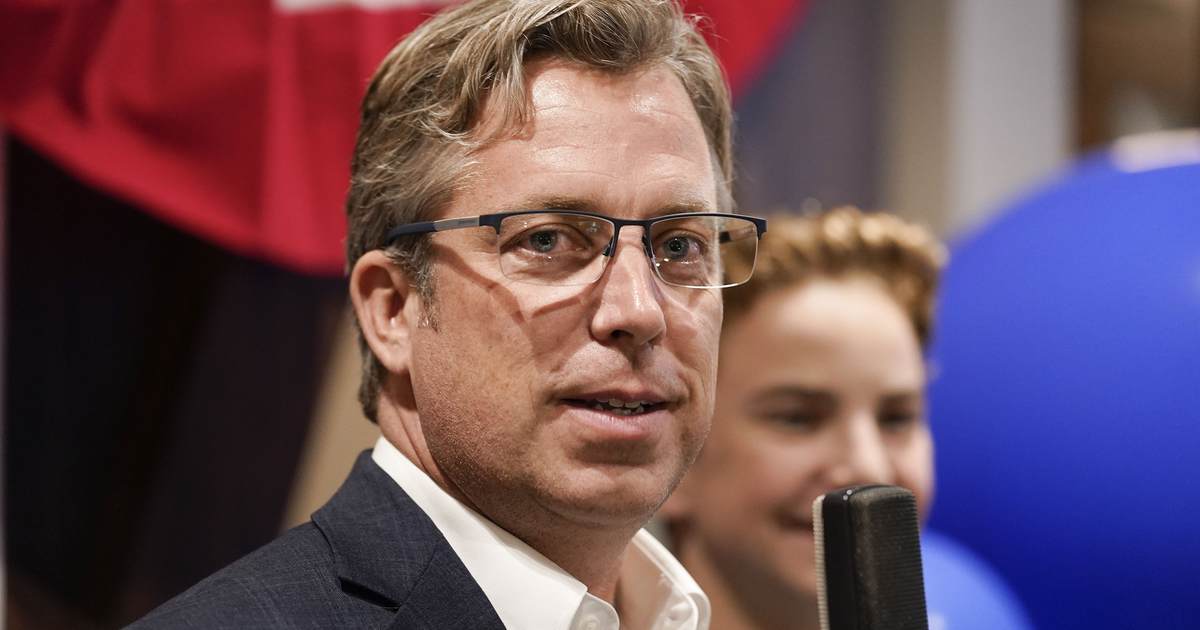
Rep. Andy Ogles pushed a legislative effort to enshrine President Trump’s travel restrictions on certain Muslim-majority countries, sparking a fierce national debate that split Democrats and conservatives and drew millions of social-media views.
Congressman Andy Ogles (TN-05) introduced a bill aimed at codifying President Donald Trump’s ban on immigration from several Muslim-majority countries, and the reaction was immediate and intense. Ogles, who is a Christian, used social posts and tweets to press his case and warn about what he calls the Islamification of the United States. One of his posts reportedly earned over 20,000 likes and roughly 6 million views, showing the message struck a chord online.
Democrats pounced, calling Ogles a “malignant clown,” “pathological liar,” and an “Islamaphobe,” and they publicly urged Republican leaders to disown his statements. Their criticism landed loud and fast in media cycles, but Ogles pushed back by naming other issues he said Democrats have ignored. That exchange turned the policy fight into a partisan showdown over national security and immigration policy.
Muslims don't belong in American society.
Pluralism is a lie.
— Rep. Andy Ogles (@RepOgles) March 9, 2026
Ogles’ Twitter storm tied his bill to a broader narrative about terror and immigration, pointing to several recent Islamic-inspired attacks that authorities linked to international extremist networks. He also referenced the timing of those attacks relative to Operation Epic Fury in Iran, framing them as a wake-up call for stricter controls. For his supporters, the bill was a commonsense response to clear threats; for opponents, it crossed a line into prejudice.
When critics demanded that Republicans condemn Ogles, some conservatives responded that the outrage was selective. Democrats, the argument goes, were quick to attack Ogles while staying quiet about their own nominees’ controversial remarks. In Texas, for example, Democrats have not publicly addressed comments by their Senate nominee, James Talarico, reportedly “stating that whites are inherently evil,” and that inconsistency has rankled many on the Right.
Support for Ogles on the right was swift and visible, with Reps. Keith Self, Brandon Gill, and Chip Roy echoing similar themes and aligning with the anti-Sharia caucus on the need for tougher immigration controls. Influencers and conservative policy shops amplified the message, arguing that migration policy should prioritize national security and cultural cohesion. The coordinated defense made it clear that Ogles’ stance has serious backing within conservative circles.
Critics labeled the approach divisive, but defenders say the debate is exactly what voters should get when issues of borders and security are at stake. The conversation has moved beyond a single law to a broader discussion about how the country balances civil liberties, public safety, and cultural identity. That tug-of-war is playing out in town halls, on social platforms, and inside congressional offices.
Ogles’ proposal and the backlash around it underline how immigration and religion-related security concerns can quickly become political flash points. For supporters, codifying strict vetting and entry rules is a practical step to prevent attacks and preserve American values. For opponents, the same moves symbolize exclusion and unfair targeting of entire faith communities.
Editor’s Note: Do you enjoy Townhall’s conservative reporting that takes on the radical Left and woke media? Support our work so that we can continue to bring you the truth.