Summary: A national team’s quiet defiance in Australia has sparked international calls to protect them from reprisals back home, with supporters urging asylum and public figures weighing in as tensions around Iran and regional conflict grow.
Yesterday fell on International Women’s Day, and conversation turned to Iran’s women’s football team after a simple but charged act during the Asian Cup. The players declined to sing the Iranian national anthem while in Australia, a gesture that resonated far beyond the stadium. That choice has put them at immediate risk from hardliners in Tehran.
For that act of defiance, the Iranian regime labeled the women “wartime traitors” and vowed they would be punished when they returned to Iran. International voices are now pressing Australia to keep the team safe rather than send them back into possible retribution. The Iranian government has been weakened in parts by U.S.-Israel airstrikes, but it still exerts deadly influence over dissidents and athletes abroad.
The Iranian women’s national football team refused to sing the anthem of the Islamic Regime. Tonight. At the opening match of the Asian Cup. In front of the entire world.
So, to all liberal Western women:
Watch and learn.
THIS is what real feminism looks like. pic.twitter.com/SriXGbipsY— Samantha Smith (@SamanthaTaghoy) March 3, 2026
Coverage captured the pressure surrounding the team’s exit from Australia and why many fear for their future. Below are contemporaneous descriptions that circulated in reporting and social posts at the time:
Football’s governing bodies and Australian authorities are being urged to ensure the safety of Iran’s women’s team as they prepare to fly home from Australia after being eliminated from the Asian Cup.
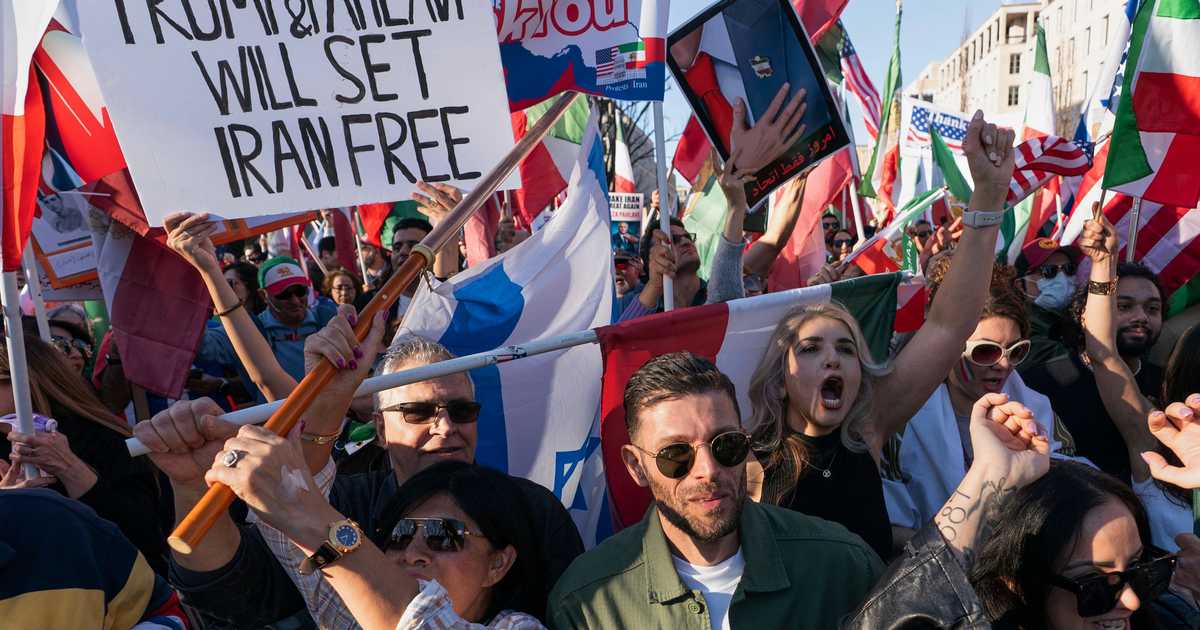
Hundreds of supporters surrounded the Iranian Lionesses’ coach as it left the stadium on the Gold Coast on Sunday evening, with chants of “save our girls”.
Fears for Iran’s women’s team grew after they declined to sing the national anthem ahead of their first match against South Korea last week.
This prompted criticism from within Iran, with one conservative commentator accusing the team of being “wartime traitors” and pushing for harsh punishment.
Across Australia and online, supporters are urging the government to offer the team asylum and a safe path forward. Those calls are driven by a clear-eyed sense that sending these women back could expose them and their families to harsh reprisals. Democratic countries often face hard choices when symbolic acts become life-or-death matters.
There is video of the team sending out an “SOS” signal, which is leading many to be concerned for their safety. The footage crystallized public anxiety and pushed celebrity and activist voices into the conversation. When athletes use the field to protest, the stakes for their lives can spike quickly.
This is what bravery looks like, plain and simple, and democracies should respond with protective measures. Standing by silent gestures made in public is not appeasement; it is a basic duty to protect people who face punishment for exercising conscience. Countries that honor freedom must show it when the consequences are real.
How can Australia, a close Western partner, justify sending these players back into a system that labels them traitors for refusing a song? The logistical and legal questions are complex, but the moral one is not. Leaders must weigh national interest against a foreseeable human cost.
Author J.K. Rowling is among those who hopes the women are granted asylum and has been vocal about sheltering those at risk from authoritarian retaliation. Public attention from high-profile figures raises pressure on officials to act decisively. When international figures speak, it narrows the space for indifferent bureaucratic delay.
Rowling said she would urge her daughters to remain in Australia, even if it meant retribution for her back at home, as some of the Iranian women worry that claiming asylum means the regime will target their families instead. That worry is not hypothetical; authoritarian regimes often punish relatives to exact compliance or revenge. Protecting the players means protecting an extended circle, and policymakers need to factor that in.
Iranian activist Masih Alinejad, who has attacked critics of the Iran war, also called on Australia to help. Her intervention highlights how dissidents and expatriates view this as a test of allied resolve. If Western partners let sportspeople be returned to punishment, it sends a signal across the region.