Chicago arrest shows a glaring clash between calls for stricter gun laws and a system that lets dangerous people back on the streets quickly.
Chicago has long been the poster child for debates over crime and gun policy, and this recent case cuts right to the contradiction. Two young men accused of robbing a 17-year-old at a Green Line station include one who was already arrested for illegal gun possession at that same location. The situation exposes how policy and practice can collide in ways that leave citizens unprotected.
One of those men had been arrested for gun possession at that same spot:
One of two men charged with robbing a 17-year-old boy at a CTA Green Line station was already on pretrial release for allegedly carrying a gun at that same station, court records show.
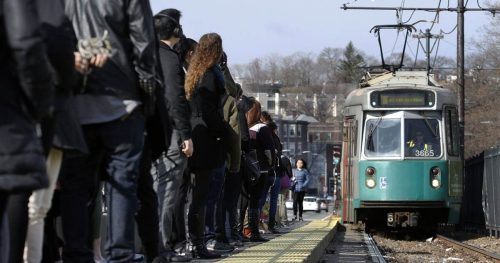
Stephon Edwards, 19, and Xander Simmons, 20, are accused of surrounding the boy at the Green Line stop at 63rd and Ashland on February 18 and taking his chain, backpack, and other items. Both men are now detained pending trial after Judge Ankur Srivastava ordered them held on robbery charges.
According to a detention filing by Assistant State’s Attorney Farihah Syed, the victim was on the first floor of the station at around 6:52 p.m. when he saw four people walk past him. Moments later, he said, the group surrounded him while wearing face masks. He felt a hard object pressed against his back, which he believed to be a gun.
Edwards allegedly stood in front of the boy and yanked at his chain, demanding it. The victim handed it over. Another member of the group took his backpack.
…
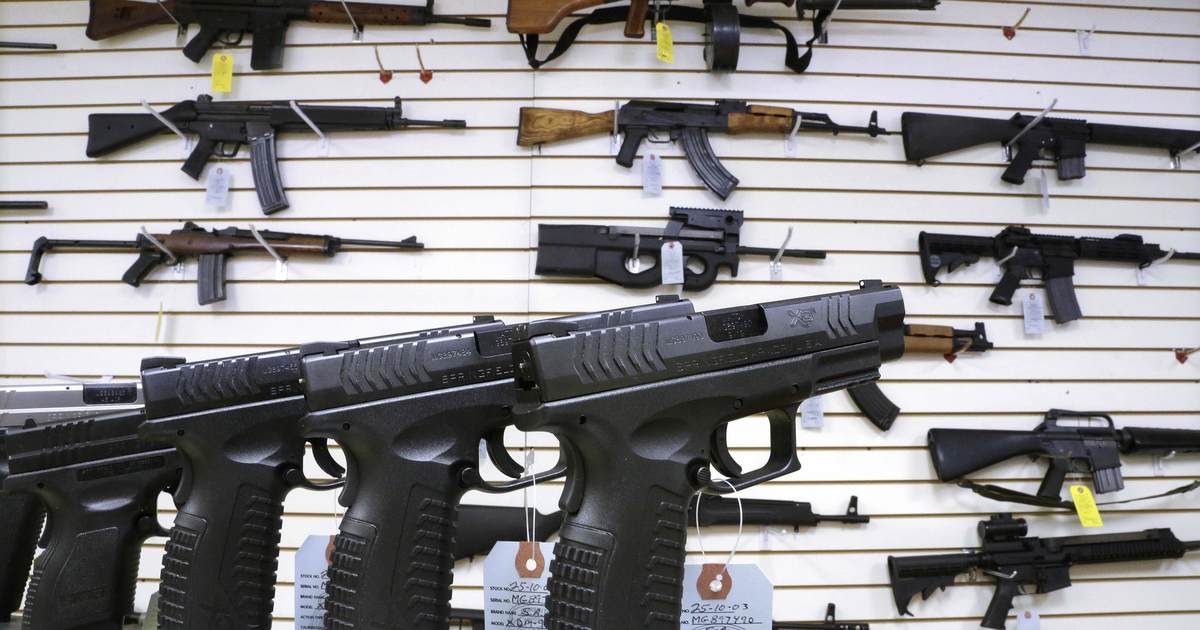
Court records show Simmons was arrested on July 6 at the same Green Line station after police allegedly found him on the platform in possession of a firearm with an extended magazine. Prosecutors asked Judge James Murphy III to keep Simmons detained at that time, but Murphy denied the request.
Look at the timeline: an arrest for an illegal firearm with an extended magazine on July 6, and then a violent robbery in February at the same platform. That gap raises real questions about pretrial release decisions and how they affect public safety. If someone is accused of possessing an illegal weapon in a public transit station, keeping them off the streets pending trial is a commonsense step.
This is not just about one arrest or one judge’s ruling. It’s about a pattern where lenient pretrial practices and a soft-on-crime mindset collide with calls to restrict law-abiding citizens’ rights. Demanding stricter gun laws while releasing people accused of carrying illegal weapons sends a mixed message to voters and victims alike. People want effective enforcement, not theater.
Chicago’s problems here aren’t only local theater; they underline a broader policy failure. When politicians push for more confiscatory rules aimed at law-abiding owners, they should also be honest about enforcement and accountability. Criminal justice policies need to prioritize victims and public safety instead of serving as political talking points.
There’s also a responsibility for prosecutors and judges to assess risk before granting release. When prosecutors request detention and a judge refuses, the consequences can be immediate and tangible. The public deserves a system that balances individual rights with community safety, and that means making hard calls when someone is accused of violent or weapons offenses.
Parents and commuters should not have to accept that a transit platform becomes a repeat crime scene because the accused was back on the street. Elected leaders who demand tougher rules for citizens must also insist on tougher, smarter enforcement of laws against those who break them. Otherwise, rhetoric about safety is hollow while neighborhoods pay the price.
This case should at minimum prompt a review of pretrial-release decisions in violent and weapons cases and a broader conversation about consequences. Voters can push for accountability in courts and clearer priorities for prosecutors. Until that happens, stories like this one will keep showing why policy, enforcement, and common sense need to line up for public safety to mean anything in practice.