Cuba is plunged into a nationwide blackout amid rising unrest, a collapsing power grid, and tense, reportedly secret talks between Havana and the U.S. administration.
The island’s electricity system failed at scale as protests spread over shortages and economic strain, leaving millions in the dark and fueling anger at the ruling Communist government. The outages come amid claims that crucial fuel shipments have been halted, intensifying a humanitarian and political crisis. Officials and observers say the grid’s collapse reflects long-term mismanagement, chronic underinvestment, and recent interruptions to foreign energy support.
The Associated Press reported that officials noted a “complete disconnection” of Cuba’s electrical system as investigators worked to determine the cause. State leaders have admitted shortages and said some operations run on solar, natural gas, and thermoelectric plants while surgery schedules and hospital care have been disrupted. The losses pile onto earlier blackouts that already left large portions of the island without power for extended periods.
Officials in Cuba reported an island-wide blackout Monday in the country of some 11 million people as its energy and economic crises deepen. Cuba has blamed its woes on a U.S. energy blockade after President Donald Trump in January warned of tariffs on any country that sells or provides oil to it.
The Ministry of Energy and Mines on X noted a “complete disconnection” of the country’s electrical system and said it was investigating.
President Miguel Díaz-Canel on Friday said the island had not received oil shipments in more than three months and was operating on solar power, natural gas and thermoelectric plants, and the government has had to postpone surgeries for tens of thousands of people.
A massive outage over a week ago affected the island’s west, leaving millions without power.
Critical oil shipments from Venezuela were halted after the U.S. attacked the South American country in early January and arrested its then-president, Nicolás Maduro.
While Cuba produces 40% of its petroleum and has been generating its own power, it hasn’t been sufficient to meet demand as its electric grid continues to crumble.
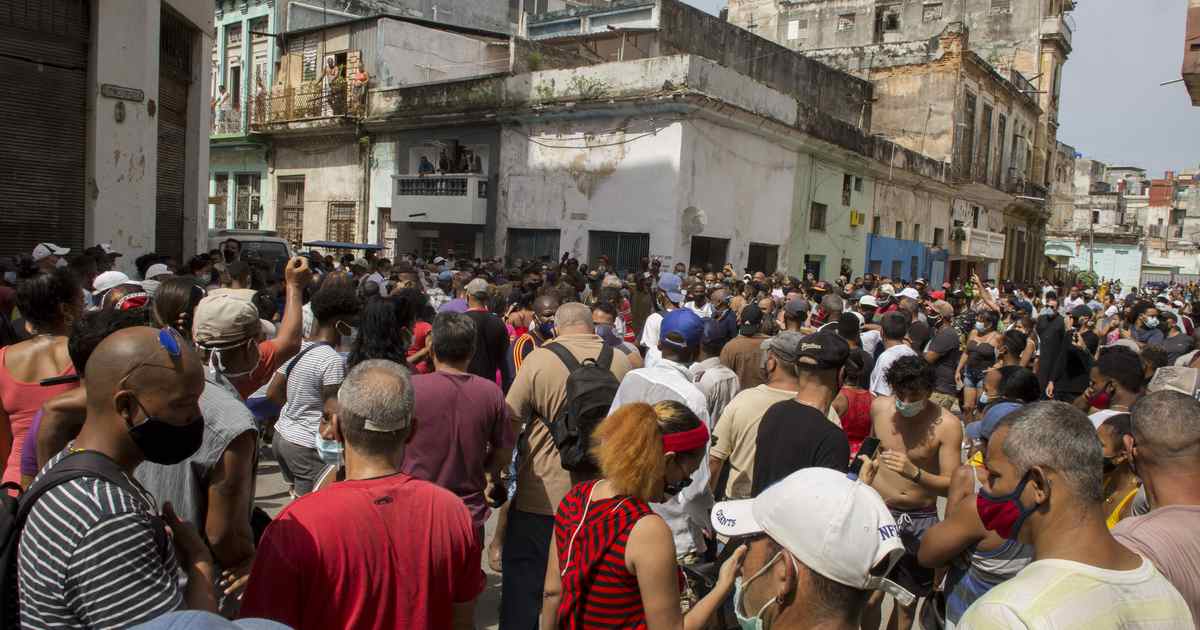
Anger at the Communist Party has boiled over into public demonstrations in multiple towns and cities, with reports of people attacking local party offices and torching property. Video circulating online shows crowds chanting, banging pots, and confronting security forces, evidence of a rare, open defiance of the regime’s authority. Those scenes expose the gap between official propaganda and the daily reality of food and fuel shortages that people are facing.
Once again the political angle has moved to the center: Havana confirms it has been in contact with U.S. officials even as it denounces a fuel blockade. The White House said the talks are still in the early stages, but President Donald Trump believes they can reach a deal “very easily” if Cuba’s regime agrees to U.S. demands. That line signals a willingness to negotiate from a position of strength, while holding the regime accountable for its handling of the crisis.
Protesters in Cuba hurled rocks at a Communist Party office in Morón as a fire roared in front of the building. The public outburst comes amid ongoing blackouts exacerbated by a U.S. oil blockade. pic.twitter.com/WjHoHi1Ffm
— CBS News (@CBSNews) March 14, 2026
For conservatives watching, the crisis in Cuba highlights predictable consequences of centralized control and an economy saddled by Communist priorities over people. Decades of state ownership and misallocation of resources have left infrastructure brittle and vulnerable to shocks, whether from international pressure or internal dysfunction. The pattern is familiar: when political elites control everything, basic services like power and food suffer first, and citizens pay the price.
Meanwhile, reports that oil shipments were disrupted have set off a diplomatic and logistical scramble, involving regional partners and long-standing allies. Whatever the immediate cause, the drought of imported fuel has exposed how dependent the island remains on outside supplies and how quickly shortages can cascade into a full-scale emergency. That dependency makes any negotiations over energy and sanctions both sensitive and decisive.
On the ground, hospitals, businesses, and families are forced to improvise as rolling outages and a total grid failure make normal life all but impossible. Delayed surgeries and interrupted medical care raise urgent humanitarian concerns that go beyond political blame. Citizens’ frustration is visible and growing, and the regime’s inability to restore reliable power will only deepen its legitimacy crisis.
Protest footage captured in central Cuban towns shows anger expressed in direct, dramatic ways; in one clip people dragged furniture from a Communist Party headquarters and set it on fire while shouting for freedom. Those images are stark and unsettling for any observer, and they suggest the unrest is more than episodic—it’s a sign of deeper social fracture. When systems fail and people have no safe outlet, unrest can metastasize quickly.
The fallout will be political as well as humanitarian: U.S. policymakers now face choices about whether to press harder on sanctions, offer targeted relief, or seek negotiated guarantees tied to governance changes. For Republicans, the debate centers on insisting that any engagement demand concrete reforms and protections for Cuban citizens rather than propping up the same ruling class that caused the collapse. The goal, stated plainly, should be to help people, not to bail out bad governance.
What happens next depends on how fast power can be restored and whether protests spread or subside, but the crisis already exposes the brittle nature of Cuba’s energy grid and the consequences of a failing economic model. As the island grapples with darkness and unrest, the international community will be watching to see if a pathway emerges that favors liberty and stability over authoritarian survival. For now, millions remain without reliable power, and the political temperature in Havana has never been higher.