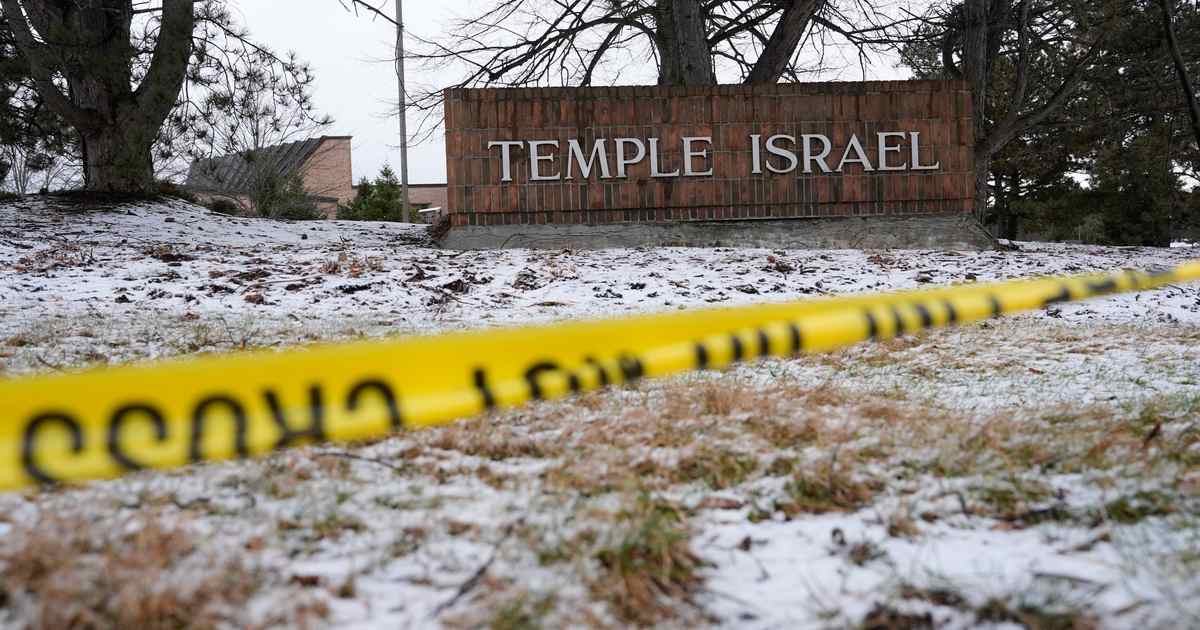
Federal agents say the attempted attack on Temple Israel in West Bloomfield was driven by allegiance to Hezbollah and militant Iranian propaganda, and the suspect died after a shootout with security.
The FBI has labeled the March incident at Temple Israel an act tied to Hezbollah and aimed directly at Michigan’s Jewish community, a conclusion that clarifies motive while raising uncomfortable policy questions. Local authorities and national agencies now face scrutiny over how a foreign extremist ideology reached someone living in the United States. Families, congregations, and leaders are left to process how close the community came to a far deadlier outcome.
Investigators identified the attacker as Ayman Ghazali, a naturalized U.S. citizen originally from Lebanon, who rammed a vehicle into the synagogue and had equipped it with fireworks and gasoline intending to create an explosive device. Ghazali carried digital material that celebrated militant causes and placed some of that content in an album labeled “Vengeance.” Officials say he had absorbed and propagated “pro-Hezbollah and Iranian militant propaganda” in the weeks and months before the assault.
#BREAKING: FBI says Michigan synagogue attack was terrorism and inspired by Hezbollah.
— Insider Wire (@InsiderWire) March 30, 2026
According to law enforcement briefings, Ghazali picked Temple Israel because he believed it hosted “the largest gathering of Israelis in the state of Michigan in the United States,” and he framed his plan as revenge for relatives killed in Lebanon during the conflict involving Hezbollah and Israel. Before the attack he recorded statements describing his intentions, including the chilling line, “I have booby trapped the car.” The FBI’s determination that this was “a Hezbollah-inspired act of terrorism purposely targeting the Jewish community and the largest Jewish temple in Michigan” underscores the ideological nature of the assault.
During the incident, security confronted Ghazali, and a shootout ensued that ended with his death; he was the only person killed. Had the explosives ignited or the shooter broken into the sanctuary during a full service, the casualties could have been much higher. That reality is driving urgent questions about protective measures at houses of worship and public venues that gather identifiable ethnic or religious groups.
Community leaders and law enforcement are wrestling with how propaganda and foreign influence cross borders and embed within individuals here at home. Ghazali’s online activity, the album titled “Vengeance,” and his admission that he planned to “forcibly enter and start shooting them. God willing, I will kill as many of them as I possibly can” show a direct line from radical messaging to violent intent. That link should prompt a sober evaluation of how intelligence agencies and social platforms track and remove violent foreign propaganda.
From a policy standpoint, this attack highlights two hard truths: transnational extremist movements exploit gaps in monitoring and reach sympathizers inside the United States, and communities vulnerable to targeted violence need practical, consistent protection. It is reasonable for citizens and leaders to ask whether current vetting, monitoring, and counter-radicalization efforts are adequate. The episode also puts pressure on officials to explain how someone motivated by Hezbollah-affiliated ideology moved from online indoctrination to attempted mass violence without interception.
Security professionals emphasize layered defenses, from trained private security at sensitive sites to better intelligence sharing between local, state, and federal authorities. The rapid response by security at Temple Israel prevented a disaster, but relying on luck or the valor of a few individuals is no strategy. Public safety requires durable policies that confront ideological threats and strengthen the ability of law enforcement to disrupt plots before weapons or explosives are put into play.
There are broader foreign policy implications as well. When militants tied to Iran and Hezbollah inspire violence on American soil, it demands a coherent stance that blends diplomacy, sanctions, and counterterrorism pressure. Allowing proxies and hostile networks to project violence abroad and inspire attacks at home without consequences invites repetition. Americans expect their government to treat threats from Iran-backed groups as serious and to counter them both overseas and domestically.
For the Jewish community and other targeted groups, this attack is a reminder of the persistent risks they face and the need for clear, unapologetic support from public officials. Elected leaders and public safety officials should be explicit about the nature of the threat and back that clarity with resources for security, intelligence, and community resilience. Public confidence is built when authorities call out the ideology behind an attack and act to prevent future attempts.
Temple Israel was spared the worst thanks to quick action and circumstances that prevented the bomber’s plan from working as intended. But the episode should not be filed away as an isolated incident; it is a warning that foreign extremist influence can translate into domestic violence. Policy, policing, and community safeguards must adapt to that reality so citizens and congregations can go about worship and daily life without fear of being targeted for political violence.