This article reports on a violent attack at Temple Israel in West Bloomfield, Michigan, places it in the context of a separate campus shooting hours earlier, and notes that federal agents had recently run active shooter drills at the synagogue site.
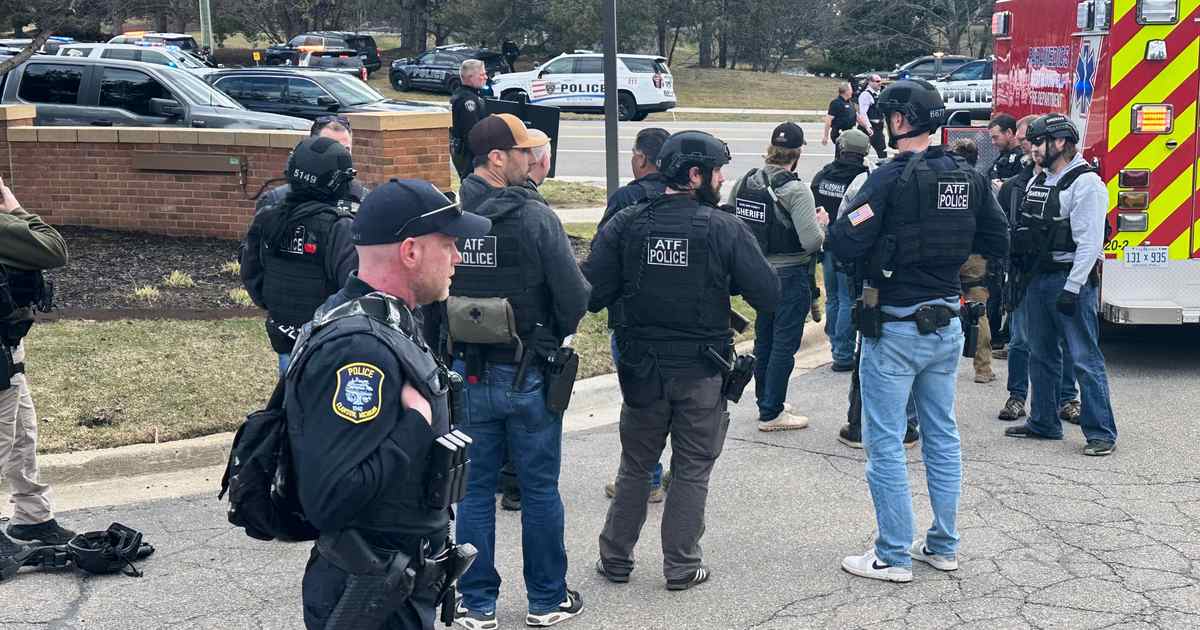
Reports say a deranged individual attacked Temple Israel in West Bloomfield, Michigan, in an incident that unfolded hours after an active shooter situation at Old Dominion University in Virginia. Authorities indicate the campus attacker had ties to extremist ideology and was killed by an ROTC cadet after a stabbing. Local responders and federal agents converged on both scenes as investigators sorted facts from early reports.
Initial information suggests the Temple Israel suspect may be Muslim, and observers pointed out the attack’s proximity to Dearborn, a community with a large Muslim population. There has been heightened concern about possible retaliatory violence amid ongoing operations and counterterror activities, including what officials have labeled Operation Epic Fury. Community leaders and law enforcement have cautioned residents about the potential for copycat or inspired attacks during tense periods.
Temple Israel Synagogue Shooting Update:
— The suspects body was badly burned, he's confirmed dead after being killed by security
—He rammed his car into the building, had a rifle, got in a shootout, the car was on fire"69% of ALL religious motivated hate crimes target Jews." pic.twitter.com/IMcACpnvBN
— Townhall.com (@townhallcom) March 12, 2026
The synagogue incident, by the best available reporting, resulted in no civilian injuries or deaths, which is a relief to congregants and neighbors. The shooter is dead, and authorities say his car caught fire after he attempted to ram the front entrance; identification cannot be made at this time. Those facts suggest the attack was violent and chaotic, and they underscore how quickly a situation can escalate and how narrow the margin for harm sometimes is.
FBI performed active shooter drills at this location in January and reportedly took steps to improve security. That detail matters because it shows federal agencies had been focused on threat scenarios at this exact site before the attack occurred. For many on the ground, the drills are evidence that preparations were happening, even if attackers still find ways to cause terror and disruption.
From a policy and public-safety perspective, this incident raises questions about intelligence sharing, local-federal coordination, and the allocation of resources to protect soft targets like houses of worship. Republican voices are likely to stress that planned drills and increased security are necessary but not sufficient without stronger measures to prevent radicalization and to secure our borders and communities. Practical changes—more boots on the ground, discreet hardening of entrances, and rapid information flow between agencies—are the kind of steps officials will be pushed to adopt.
Religious institutions remain particularly vulnerable because they are designed to be open and welcoming, which makes deterrence tricky without making congregations feel under siege. Synagogues, churches, and other gathering places deserve sensible defenses that do not transform them into fortresses, and leaders in the congregation should be included in planning and training. Public officials need to make clear that protecting worshippers is a bipartisan priority and that law enforcement will be ready when threats arise.
Community reaction in West Bloomfield has been a mix of relief and anger: relief that lives were spared, and anger that an attack happened at all. Families and congregants are asking tough questions about how the suspect was able to act, whether red flags were missed, and what the timeline looked like for first responders. Those are reasonable questions that deserve transparent answers from the agencies involved.
Investigations are ongoing, and local and federal law enforcement will release more details as they verify evidence and pursue leads. Church and synagogue leaders are coordinating with police to review security practices and communicate updated guidance to members. We’ll keep you posted.