Summary: A study on refugee and resident partnership preferences in Germany is sparking a sharp debate about culture, safety, and integration that highlights deep divisions over immigration and gender norms.
Europe’s migration challenge has clear social consequences, and the German case makes that obvious. Incoming refugees from countries such as Afghanistan and Syria have been predominantly young men, and that demographic mix creates pressures that local populations notice. This piece examines how those pressures show up in partnership preferences and the political reaction around them.
Many observers note a pattern: large flows of military-age men from conservative Islamic societies often arrive with attitudes that clash with Western gender norms. That cultural mismatch matters when people consider intimate partnerships, community safety, and social cohesion. For German women, those differences are not abstract; they shape daily choices about trust and personal boundaries.
There have been high-profile criminal cases involving asylum seekers that feed public concern, and they are seized on by critics of current immigration policy. The reality of increased sexual assault reports in some European countries has hardened opinions and made many women wary of new partners who come from very different legal and social backgrounds. Those anxieties play into survey responses and mate-selection behavior.
But a formal empirical study went further by comparing preferences of recently arrived male refugees with those of resident German women. The research focused on refugees who arrived between 2014 and 2016 and looked at whether the two groups wanted the same kinds of partners. The findings make clear that refugees and residents are not on the same page about cross-group relationships.
Germany, in particular, received over 1,4 million refugees between 2014 and 2016, predominantly from Muslim-majority countries such as Syria and Afghanistan. The majority of these arrivals consisted of young, single men within prime marriageable age brackets. This study examines partnership preferences of male refugees from Afghanistan and Syria who arrived in Germany between 2014 and 2016 and female residents of similar age.
Overall, our results indicate a high level of openness among male refugees towards partnering with female members of the resident population, but a comparatively low level of openness among the latter towards partnering with recently arrived male refugees. This implies a substantial incongruence in partnership preferences among the two groups.
Regarding the educational level of a potential partner, we found that all respondents prefer highly educated partners over those with lower levels of education. This suggests that, for refugees, securing a highly educated partner might serve as a means of upward social mobility and integration into higher-status networks in the host society.
Male refugees from Afghanistan and Syria in Germany show a keen interest in forming relationships with local women, but the local women show little interest in forming relationships with them.
Germany, in particular, received over 1,4 million refugees between 2014 and…— Rolf Degen (@DegenRolf) March 28, 2026
Furthermore, it is possible that highly educated women, due to their greater exposure to diverse social environments and potentially less discriminatory attitudes, are perceived as more open to intergroup partnerships, making them a more attractive choice for refugees seeking acceptance and social integration.
On the other hand, the reluctance of resident women to accept partnerships with refugees is largely explained by their rejection of the ‘imported’ religious Islam. It is possible that resident women perceive the religious practices of newly arrived refugees as different from their own, reinforcing a social distance that limits intergroup partnerships. Moreover, this reluctance might not only reflect religious differences but also concerns about gender norms or perceived lifestyle incompatibilities.
The study’s headline finding is straightforward: male refugees are comparatively open to relationships with locals, while many resident women are not. One reported dynamic is refugees targeting highly educated partners, which the authors interpret as a route to social mobility and integration. Skeptics see a darker motive: economic support or efforts to impose different gender roles on women who are used to independence and equal rights.
Practical realities sharpen those fears. Roughly half a million asylum seekers in Germany receive direct government benefits, and with an estimated 1.5 million refugees overall, a sizable share depends on welfare. That fiscal context lubricates arguments about social strain, cultural friction, and the genuine risk that some newcomers may prefer traditional gender norms that conflict with Western norms.
There are credible reports from countries like Afghanistan documenting restrictions on girls’ education and harsh gender hierarchies, and those examples feed the worries of European women. When communities observe clashing expectations around work, public life, and personal autonomy, resistance to intimate mixing is understandable rather than irrational. That resistance is being framed by some as a form of self-preservation.
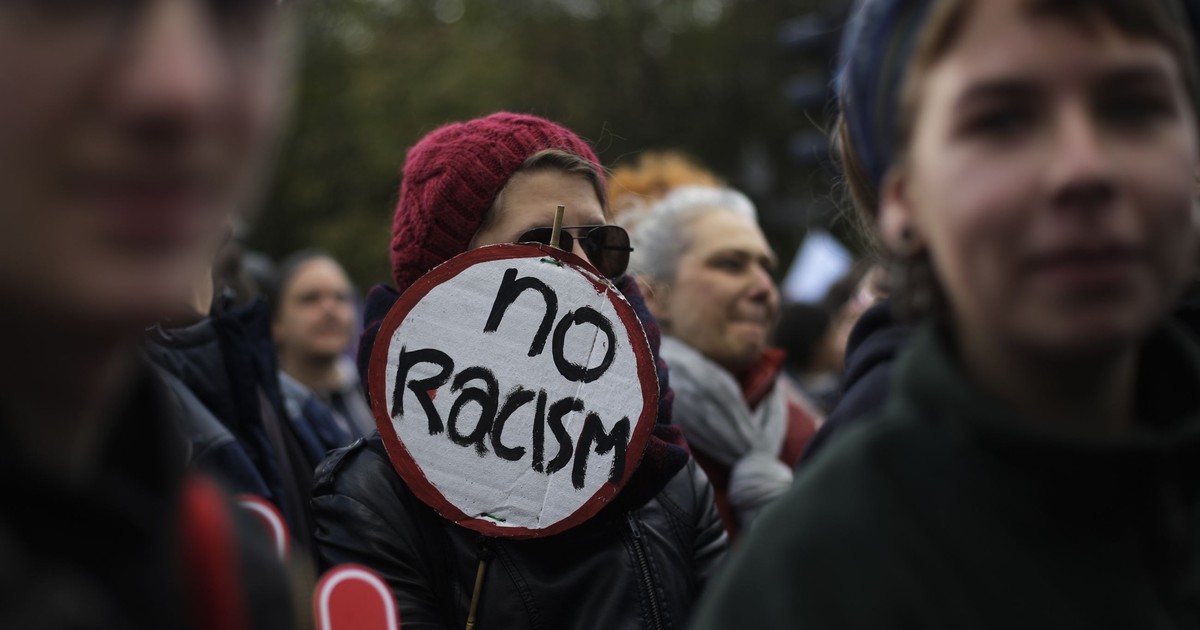
Politically, the response from governments and some activists can make matters worse when they dismiss fears as bigotry instead of addressing the cultural and safety issues head-on. Labeling personal decisions about whom to date or marry as racism ignores the lived experiences and consent rights of women in host societies. If authorities prioritize avoiding offense over enforcing laws and protecting citizens, trust in institutions will erode further.
Integration requires shared norms and reciprocal respect, not coercion. German women are exercising choices rooted in values and experience, and public policy should respond with clarity about cultural expectations, enforcement of laws, and realistic immigration planning. Ignoring those realities risks deeper social fractures and political backlash that could reshape national debates for years.