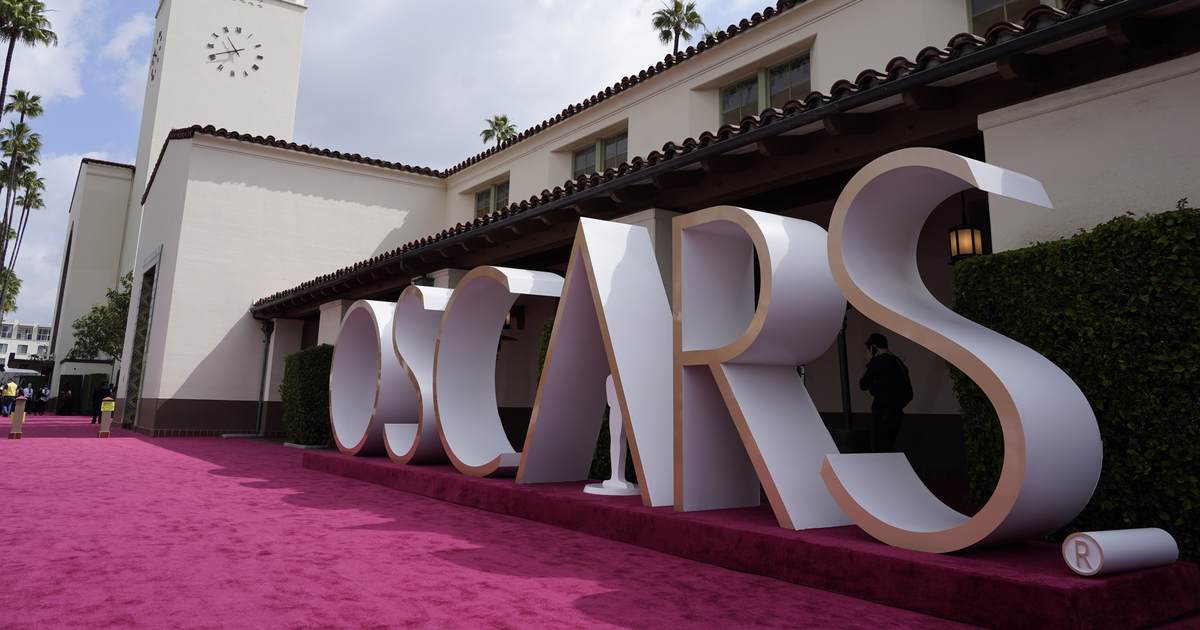
The Oscars turned political again, and this year the stage featured a mother who lost her child in Uvalde as part of a documentary win, sparking debate over how grief is used to argue for gun restrictions. Hollywood framed the film to spotlight the empty rooms left behind by victims, and the moment was used to press for tighter rules on firearms. The controversy raises questions about standards for preventing violence and whether cultural moments are being leveraged to push a specific policy agenda.
The ceremony gave a national platform to Gloria Cazares and the short documentary All the Empty Rooms, which took home the Academy Award for Best Documentary Short Film. Cazares spoke about the personal toll of losing her daughter and the way the film uses intimate spaces to tell those stories. That choice made an already emotional moment into a statement about gun policy and public sentiment.
My daughter. Jackie was nine years old when she was killed in Uvalde. Since that day, her bedroom has been frozen in time. Jackie is more than just a headline.
She is our light and our life. Gun violence is now the number one cause of death in kids and teens. We believe that if the world could see their empty bedrooms, we’d be a different America.
The film’s visual tactic is clear: show the rooms and humanize the loss, and viewers are meant to feel the argument viscerally. That emotional pressure was paired with calls from some families for new restrictions on gun ownership. Hollywood amplified that push at an awards show that reaches millions, turning a memorial into a moment with political consequences.
Mom of 9-year-old Jackie, who was killed in Uvalde during a school shooting, spoke at the Oscars after "All the Empty Rooms" won for best short doc.
She talked about how gun violence impacts kids in America and that Jackie is more than a headline.https://t.co/R14HEn36lh pic.twitter.com/h8M7LdBWcp
— ABC7 Eyewitness News (@ABC7) March 16, 2026
Critics on the right argue this approach crosses a line from storytelling into advocacy, saying grief should not be repurposed as a blunt instrument for policy change. They point out that “In most of these cases, the shooters used weapons that were purchased legally,” and note that many shootings involve guns obtained through illicit channels. The implication from that perspective is that headline-driven lawmaking risks ignoring the real routes criminals use to acquire weapons.
There’s a practical argument at play as well: laws that restrict lawful ownership can make it harder for law-abiding citizens to protect themselves. Many conservatives emphasize the right to self-defense and argue that bad actors will ignore prohibitions, so broad bans mainly disarm responsible people. That position frames gun control measures as a blunt response that could leave defenseless victims more vulnerable, not less.
Instead of relying on symbolism and bans, those on the Republican side propose hardening targets and improving school security to prevent attackers from getting inside in the first place. The focus is on prevention through physical security, faster response times, and policies that deter or intercept would-be attackers before they reach vulnerable populations. Advocates say these steps are pragmatic and address behavior rather than simply restricting objects.
The families’ pain is undeniable, and nobody should ever have to bury a child regardless of the weapon involved. Public sympathy for victims is natural, but policy should follow clear evidence about what works to stop violence rather than emotional pressure alone. Mixing tragedy with celebrity platforms makes it harder to separate mourning from messaging, and that’s part of why the debate is so heated.
Editor’s Note: President Trump and Republicans across the country are doing everything they can to protect our Second Amendment rights and right to self-defense.