The Houthis have stepped into the Iran war with missile strikes toward Israel, raising the risk of a wider regional conflict that threatens shipping lanes, energy markets, and American interests.
The situation escalated when Yemen’s Houthi rebels launched a barrage of ballistic missiles at southern Israel, opening what could become a new and dangerous front in an already volatile regional war. The strikes mark a notable widening of the conflict and demand careful attention from policymakers watching Iran’s network of influence. This move raises questions about how far Iran-backed actors will push before provoking a decisive response from the United States and its allies.
Israeli defenses reportedly intercepted at least one of the ballistic missiles, and officials said there were no injuries from that strike. Later in the day, the Houthis launched a cruise missile that was shot down over the Red Sea, underscoring both their growing capabilities and the limits of their effectiveness so far. Even failed attacks impose costs and force military and commercial actors to change routes and posture in the region.
Yemen’s Houthis launched a ballistic missile attack at southern Israel on Saturday morning, triggering sirens in Beersheba and surrounding areas, in the first offensive from the Iran-aligned group since the start of the war with Iran.
In a statement, the Houthis claimed responsibility for the attack, saying they had targeted “sensitive Israeli military sites” with a “barrage of ballistic missiles.”
The IDF said one ballistic missile fired from Yemen was successfully shot down by air defenses.
Houthi military spokesman Brig. Gen. Yahya Saree claimed credit for the operation, a public admission that hints at a deliberate decision to escalate. “We confirm that our fingers are on the trigger for direct military intervention,” he said in a speech. That kind of rhetoric is meant to project deterrent power back to Tehran’s allies, but it also narrows the room for de-escalation.
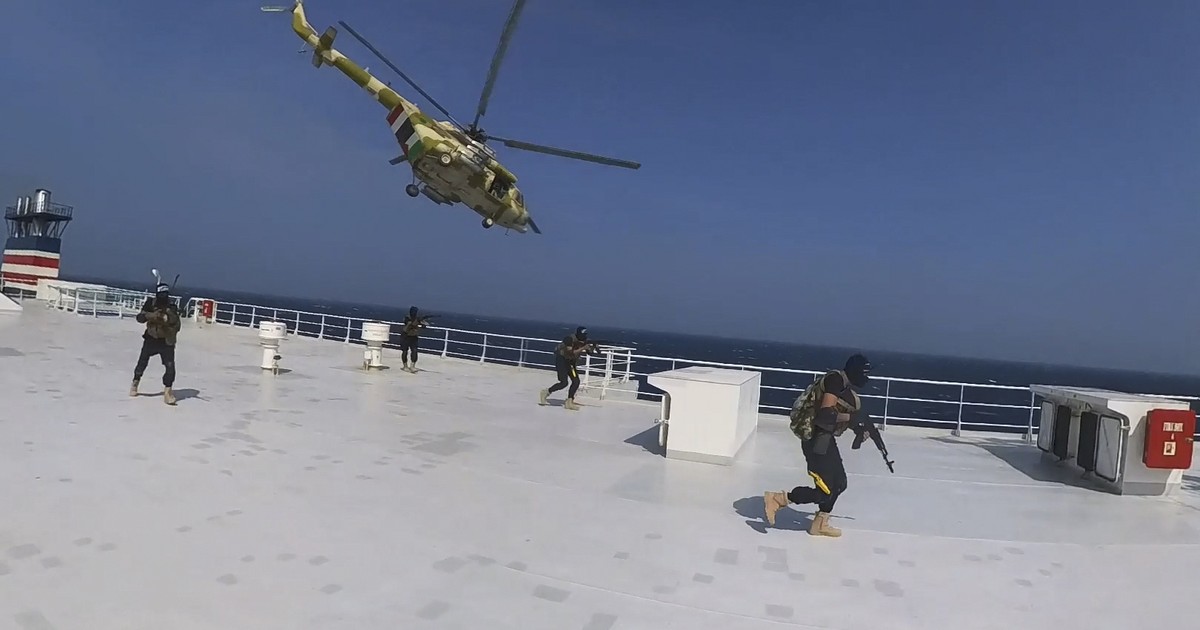
Analysts warn the most consequential next step would be attacks on commercial shipping in the Red Sea or attempts to shut the Bab al-Mandab Strait. Disrupting that chokepoint would ripple through global trade, push up shipping insurance and freight costs, and strain energy supplies already stressed by other regional shocks. Iran’s parallel efforts to threaten the Strait of Hormuz only add to the risk of a multi-pronged squeeze on oil and natural gas flows.
Thomas Juneau, a professor at the University of Ottawa’s Graduate School of Public and International Affairs and an associate fellow with Chatham House, told, “The Houthis would cause a much more important impact on the war if they were to start targeting maritime shipping in the Red Sea and try to close the Bab al-Mandab Strait. This would amplify the war’s already strong impact on oil and natural gas prices and on the global economy.”
JUST IN: 🇾🇪🇮🇷 Yemeni Houthis officially enter war against US & Israel in support of Iran.
"Our operations will continue until the objectives are achieved." pic.twitter.com/1TmQcRRrHz
— BRICS News (@BRICSinfo) March 28, 2026
For years Iran has supplied the Houthis with ballistic missile technology and the know-how to threaten distant targets, a relationship that has steadily increased the group’s reach. The Houthis control much of northern Yemen after nearly a decade of internal conflict and have embraced alignment with an “axis of resistance” that includes Hezbollah and Hamas. That networked approach lets Tehran project power through proxies while maintaining plausible deniability, complicating conventional responses.
From a Republican perspective the choice is clear: deter decisively and protect freedom of navigation and allies in the region. Weak responses or half measures only encourage further aggression, and the U.S. must make it costly for Iran and its partners to expand the battlefield. That means a combination of robust naval patrols, clear red lines, and targeted pressure points to raise the price of escalation.
The economic stakes are immediate. Even limited attacks on shipping reroute vessels, slow deliveries, and drive up costs for manufacturers and consumers worldwide. Energy markets hate uncertainty, and traders will price in any credible threat to chokepoints like Bab al-Mandab or the Strait of Hormuz, driving spikes in oil and natural gas prices that hit households and businesses back home.
Military planners and diplomats are now weighing options to contain the fallout and prevent a slide into broader war. Deterrence requires clarity and credibility, so allies need to synchronize posture and messaging while keeping channels open to avoid unintended clashes. The next few days will be telling: whether the Houthis test limits or pull back will shape strategy across the region and set the tone for how the United States responds to Iran’s expanding campaign of influence.