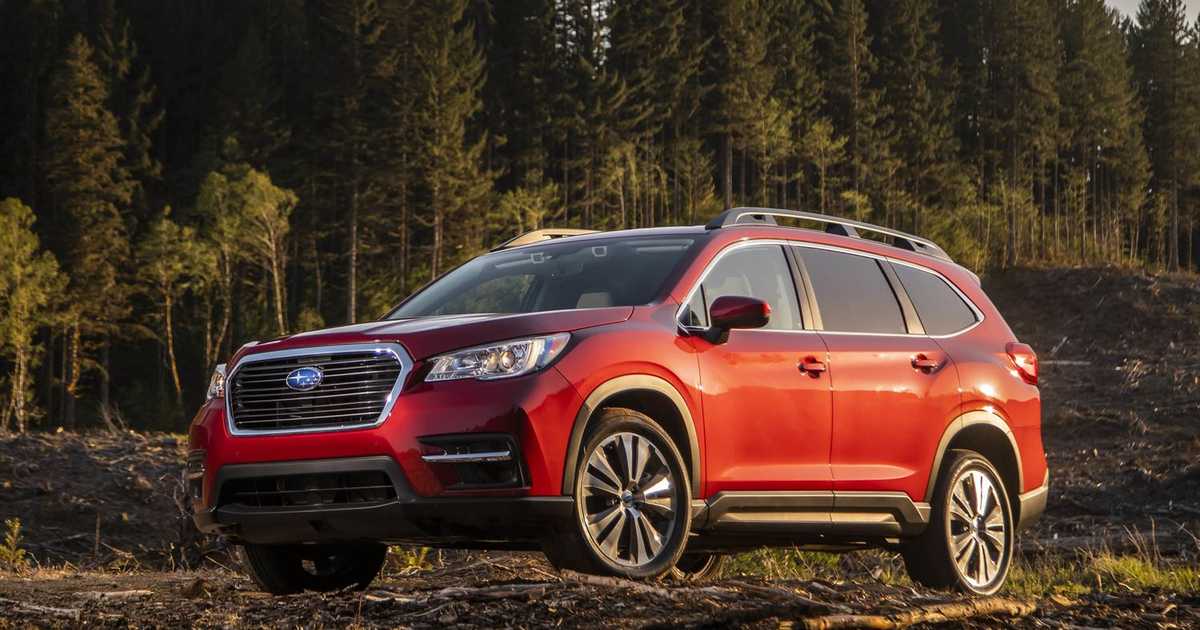
The latest ICE tactic — using unassuming Subarus as undercover vehicles — has provoked predictable outrage, turned the tables on anti-ICE protesters, and underlines a blunt truth: enforcement will adapt to public theater.
Back in January, activists in Minneapolis were stopping cars they suspected belonged to immigration agents, confronting drivers and checking papers. Those protesters insisted they needed to know “who was in our community,” a line that sounded more like a political slogan than a policy argument. That episode set a stage where perception mattered more than procedure.
Now ICE operatives in Colorado have quietly turned that perception against the protesters by choosing a vehicle that’s practically a cultural emblem of coastal progressive identity: the Subaru. The move is smart in a practical sense and deliciously ironic in a cultural sense, because it plays on the very cues the activists used. It’s the kind of tactic that makes a political fight look almost theatrical.
Conservative observers will enjoy the symmetry: groups who once treated any SUV with tinted windows as a state threat now face the uncomfortable possibility of stopping their own. There’s a political point here beyond the prank value — enforcement agencies will use whatever tools keep agents safe and operations efficient. Mocking the response is easy, but the operational logic is straightforward.
🚨 LMAO! ICE is now reportedly using undercover SUBARU OUTBACKS — the official vehicle of white leftist lesbians — to catch illegals off guard
This is a BRILLIANT tactic
Juan thinks one of his white saviors is rolling up, and then it ends up being ICE🤣 pic.twitter.com/bWG4KZS8xx
— Nick Sortor (@nicksortor) March 3, 2026
There’s also a safety angle. Undercover work depends on blending in, not standing out, and selecting cars that avoid drawing attention helps agents complete missions without escalation. Critics who focus on optics miss how important stealth is to protecting officers and reducing the risk of dangerous confrontations. The new approach reduces predictability for would-be obstructionists.
Would anyone be surprised if left-wing demonstrators reacted by targeting Subarus specifically? Not really. Activist movements often latch onto symbols and then police those symbols as if they were a security threat. That’s partly what makes the agency’s choice effective: it forces protesters to either stop carrying out their theatrics or to accept that their symbols no longer guarantee safety from enforcement actions.
There’s a second, funnier effect: videos. The social media spectacle of self-appointed patrols stopping people who are, themselves, progressive-identifying drivers would be rich with irony. Conservatives will likely savor the clips, but the deeper takeaway is how easily public performance can be weaponized by opponents who understand narrative as well as policy. The practicalities of immigration enforcement don’t change because someone records a confrontation.
Strategically, the move telegraphs a simple message: the federal government is not going to let performative protests dictate law enforcement decisions. The argument from some on the left that they must stand in as immigration officers falls flat when agencies adapt to protect personnel and carry out court orders. That reality clashes with the performative self-righteousness that fueled those early Minneapolis confrontations.
The broader political context matters too. The Trump administration has made it clear that the deportations will continue, no matter how loudly the Democrats wail and gnash their teeth about it, and now ICE is using the opposition’s own cultural markers to keep doing its job. That’s a straightforward enforcement posture dressed up in a bit of tactical irony. For supporters of strong border and immigration control, it’s satisfying to see policy backed by creative operational choices.
Still, this isn’t just a culture-war prank. It’s a reminder that law enforcement will evolve in response to public behavior, and that activists who attempt to take enforcement into their own hands will find their actions undercut by smarter tactics. That reality should make anyone who cares about order think twice before turning citizen patrol into a substitute for legal process. The institutions responsible for complex operations won’t be easily deterred by street theater.
Finally, there’s a pragmatic nod to efficiency: Subarus are fuel-efficient and reliable, traits that matter for agencies running long shifts and numerous missions. Calling the choice clever and fuel-efficient is not just snark; it’s recognition that operational budgets and vehicle performance factor into how enforcement looks on the street. In the end, the choice reflects both a strategic and practical calculation.
Very well played.
This, of course, is sarcasm. But we all know the Left will make a similar argument while ignoring the broader point: enforcement will continue, and agencies will adapt their tactics to keep operations effective and officers safe.