Democratic protests have become more about identity and theater than targeted policy fights, with activists often echoing slogans and symbols without clear goals or disciplined organization.
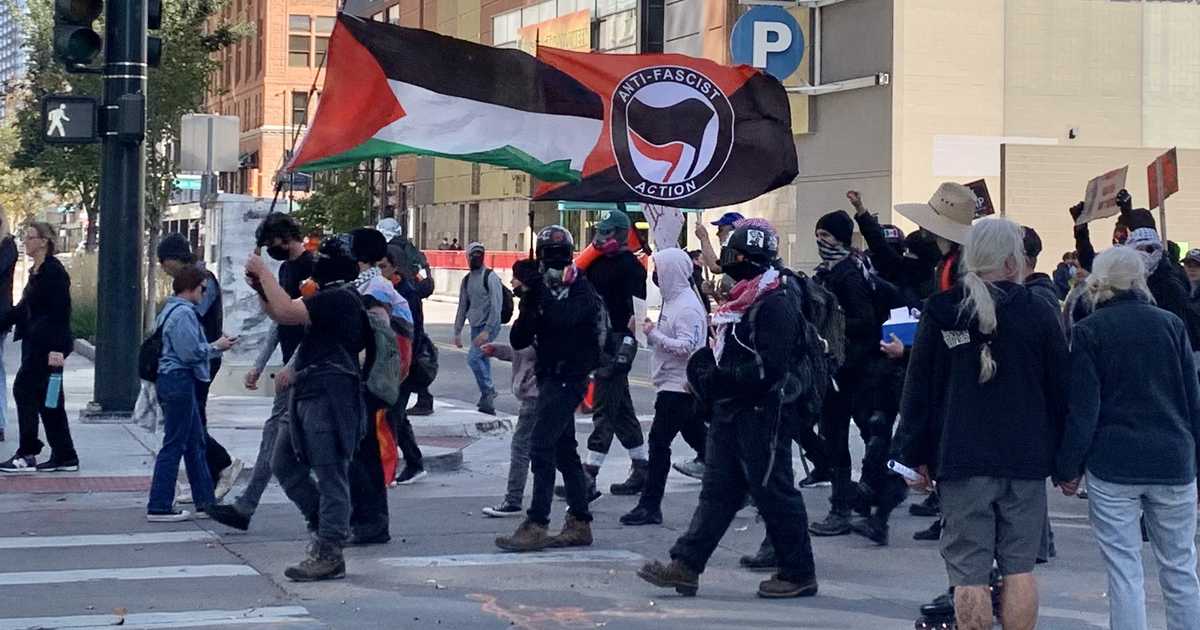
Another round of “No Kings” protests popped up over the weekend as Democrats rallied against several Trump administration actions, naming Immigration and Customs Enforcement operations and Operation Epic Fury among their grievances. The demonstrations spread across cities and drew attention for their intensity more than their coherence. Organizers framed these events as a stand against authoritarianism, though the messaging often felt scattered.
The irony is sharp: on some occasions protesters adopt symbols associated with hostile regimes or causes that contradict mainstream American values, which only widens the gap between rhetoric and reality. That mismatch speaks to a larger cultural issue inside the party — a hunger for moral drama that can override policy substance. When symbolism outruns specificity, the political case gets weaker, not stronger.
This hunger looks a lot like a need to be part of history’s great movements, to walk in the footsteps of Martin Luther King Jr. and other civil rights figures. Democrats today often act as if they’re the next wave of reformers, auditioning for the role rather than building focused campaigns. That performative quality changes how protests are run and how participants see themselves.
First and foremost, many of the marchers struggle to explain what they’re actually protesting beyond a general dislike of the president. Conversations with participants routinely reveal talking points memorized from social feeds, not developed positions. Instead of debating ideas, the default is recitation and group affirmation, which limits the movement’s ability to persuade undecided voters.
Not only do protesters frequently lack clarity, they sometimes stage dramatic or risky tableaux that confuse matters further. A number dressed as characters from The Handmaid’s Tale, leaning into a dystopian image about reproductive rights even though the current administration has not prioritized making abortion a central policy fight. Those costumes make for striking photos, but they also muddle the argument and alienate potential allies who want concrete proposals.
Other scenes showed demonstrators waving communist flags and banners tied to groups with extremist or anti-American ties, including symbols linked to Hamas, Hezbollah, and the Iranian regime. Those displays raise obvious questions about judgment and message control. When a movement flirts with those images, critics use them to paint the entire protest as unmoored from mainstream concerns.
🚨 “No Kings” protesters showing their true colors
A deranged old man with a whistle in his mouth screams “I’LL F***ING KlLL YOU!” at a Breitbart reporter while the mob pushes and threatens him.
These are the same people lecturing America about “democracy” and “peaceful… pic.twitter.com/sortcuqSae
— Gunther Eagleman™ (@GuntherEagleman) March 29, 2026
Why does this happen? Because, unlike past reformers who rallied around a sharply defined injustice, today’s left often protests to protest — to signal resistance rather than to advance a single clear policy. Opposition to Trump has become an organizing principle in itself, which substitutes perpetual dissent for concrete objectives. The result is activism that circulates fervor without delivering strategy.
Isaac Newton Farris Jr. captured a key distinction when he remembered how Dr. King’s marches were marshaled and disciplined. At those protests, organizers assigned marshals to keep participants and the message on track, and misconduct was treated as an individual failure, not a group norm. Modern demonstrations rarely show comparable internal discipline, and that lack of stewardship damages credibility.
No matter how you judge Dr. King’s politics, the mechanics of his campaigns were effective: clear goals, controlled actions, and disciplined messaging. His work succeeded because it narrowed the field of contention to concrete injustices and paired moral force with practical tactics. That contrast highlights how much today’s protests often prioritize optics over outcomes.
Too often, Democrats seem focused on performance rather than policy, more interested in proving they are morally outraged than in pushing specific reforms that voters can evaluate. That emphasis turns activism into a kind of role-playing where authenticity gets traded for applause. When political life becomes theater, the hard work of persuasion and coalition building falls by the wayside.
Turning the First Amendment into a spectacle may feel cathartic for participants, but it weakens the long game of politics. If demonstrations are going to matter, they have to move from theater back to strategy—clarifying demands, policing conduct, and building momentum for realistic change. Until then, protests will keep making headlines without shifting the policy terrain.