The Justice Department quietly shut down the autopen probe into President Biden’s signatures, saying prosecutors couldn’t find a criminal statute to pursue charges, but questions about competence, process, and accountability are likely to keep this story alive.
We’re juggling a lot: military moves in Iran, the reported killing of Ayatollah Khamenei, agreements to source oil and minerals from Venezuela, Kristi Noem’s dismissal, and the uncertain fate of the SAVE Act as the 2026 midterms loom. Those headlines crowd the news cycle, which makes it easy for important investigations to fade into the background. Still, the autopen story has political weight because it touches on presidential authority and the basic question of who is actually making decisions in the White House.
The latest development is blunt: prosecutors in the U.S. Attorney’s office closed the criminal probe into whether President Biden and his aides used an autopen to sign pardons because they couldn’t find a viable legal hook. That conclusion was reported by CBS News and has left conservatives who pushed for scrutiny frustrated at the lack of formal charges. The quiet end to the probe raises obvious questions about how these matters are investigated and whether the system is set up to handle modern executive baggage.
🚨#BREAKING: The Trump Justice Department has ended its investigation into former President Joe Biden’s alleged use of an auto-pen, after officials failed and found no applicable criminal statute to pursue charges.
— R A W S A L E R T S (@rawsalerts) March 5, 2026
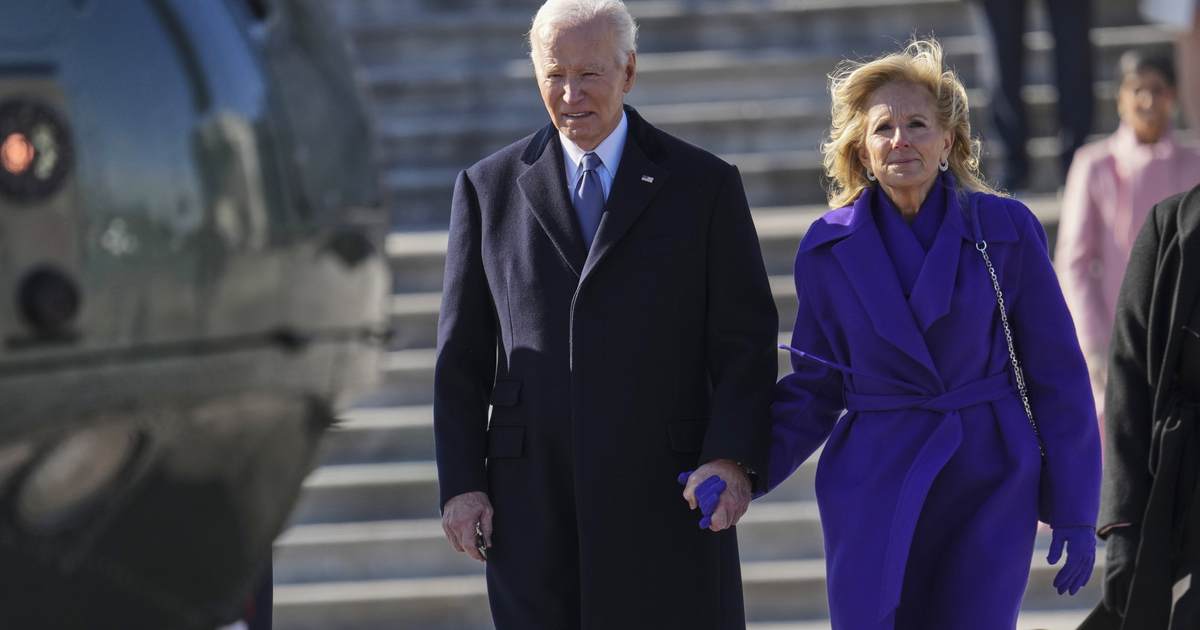
Federal prosecutors in U.S. Attorney Jeanine Pirro’s office are dropping a criminal probe into whether former President Joe Biden and his aides unlawfully used an autopen to issue pardons, a person briefed on the matter told CBS News.
Two sources confirmed the existence of the probe, with one telling CBS News that the matter has since been closed because prosecutors were never able to find a legal hook to be able to pursue the matter further. CBS News has not determined precisely when the case ended.
Last June, President Trump ordered an investigation into whether the Biden administration used an autopen machine to sign key presidential documents like pardons — months after Mr. Trump had claimed his predecessor’s pardons were illegitimate.
Mr. Trump told Attorney General Pam Bondi and the White House counsel in a memo to probe what he claimed was a “conspiracy” to “abuse the power of Presidential signatures through the use of an autopen to conceal Biden’s cognitive decline.”
The order cited a number of executive actions by Biden, including pardons and judicial appointments, and argued “there are serious doubts as to the decision making process and even the degree of Biden’s awareness of these actions being taken in his name.”
It suggested that if Biden’s advisers “secretly used the mechanical signature pen,” it would “have implications for the legality and validity of numerous executive actions.”
The probe’s closure doesn’t erase the allegations. Republicans and many voters still view the claims through the lens of Biden’s perceived fitness for office, especially during his final year. The way pardons and commutations were handled — sometimes appearing chaotic and routed through patchwork processes — only deepened that perception and gave critics something tangible to point to.
Officials reportedly found it difficult to tie the actions to a clear criminal statute, which speaks to a legal gap rather than a clean exoneration. When prosecutors say there’s no prosecutable offense, that’s different from saying nothing improper happened. For conservatives watching the system, that distinction matters, because it suggests oversight, reforms, or new legislation might be the only route to accountability.
Beyond legal technicalities, the politics are immediate. The autopen story feeds into broader narratives about transparency, competence, and the stewardship of presidential power. If the public believes executive actions were being rubber-stamped or signed without genuine presidential involvement, confidence in the administration’s decisions — from judicial appointments to foreign policy moves — erodes quickly.
This episode also spotlights how investigations get handled when pressure comes from a prior president. The probe originated after directives from President Trump and his allies, which complicates perceptions of partisanship and motive. That history will push both sides to frame the outcome: Democrats will point to legal insufficiency, while Republicans will argue the system let serious questions slide.
Practically speaking, Republicans in Congress and conservative watchdogs are likely to keep probing, pursue document requests, and press for hearings that expose internal processes. Independent journalists and investigators will dig through emails, memos, and personnel decisions to try to trace who authorized what and why. The DOJ’s decision to step back will not be the final word for those determined to follow the paper trail.
The autopen episode is less about a single gadget and more about institutional norms and the limits of our legal framework when it comes to modern executive practice. As the midterms approach, the story will stay politically useful — not because charges were filed, but because the unanswered questions remain raw and resonant with voters who want clarity on who is accountable in the Oval Office.