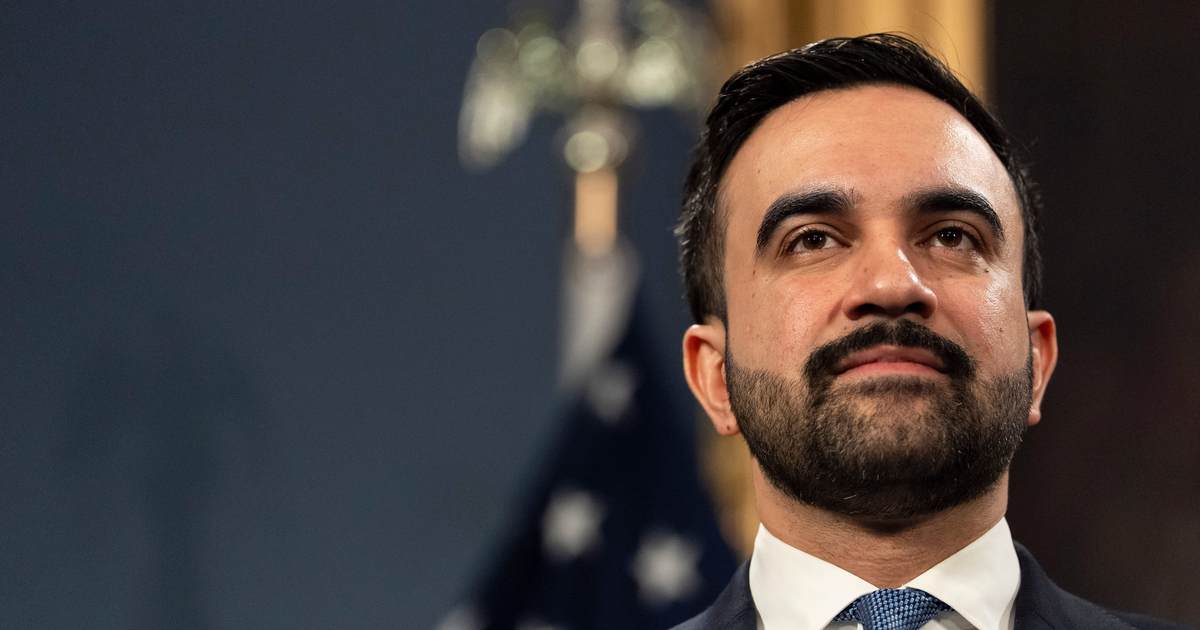
Mayor Zohran Mamdani attended a Staten Island Ramadan event where he was introduced by an extremist organizer, adding to questions about his judgment after another controversial Gracie Mansion dinner guest.
New York’s mayor has found himself in fresh controversy after appearing at a public Ramadan gathering where the introducer has a documented history of extremist remarks. This episode follows reports of another troubling guest previously connected to an event at Gracie Mansion. For critics, the pattern looks like poor vetting and troubling associations, and it has prompted blunt pushback from those who expect stronger lines from city leadership.
At the Staten Island mosque event, Mamdani delivered brief remarks and accepted an enthusiastic introduction from the political director of the hosting organization. Observers say the introduction and the company he kept matter far beyond polite ceremony, especially in a city that needs clear stances on security and foreign influence. Republicans point out that personal appearances send signals, and those signals should be measured against public safety and values.
Mayor Zohran Mamdani (D., N.Y.) celebrated Ramadan last week at a Staten Island mosque where he was introduced by an extremist who has called on Hamas to strike Tel Aviv and led a crowd in chants for “intifada.”
“He’s joining us today, straight from City Hall, to not only welcome us into this blessed month of Ramadan, but to also join the largest Muslim congregation here in Staten Island,” Abdullah Akl said during his introductory remarks at the Muslim American Society (MAS) in Staten Island. “I am very excited to announce the new mayor of New York City, Mayor Zohran Mamdani.”
A smiling Mamdani delivered brief remarks in which he said it was “such a privilege and a pleasure” to be with Akl and the other attendees.
Akl, the political director of MAS New York, first came to prominence in 2024 when he led a chant to “strike” Tel Aviv during a protest in New York City. Then a graduate student at Harvard Extension School, Akl called former Hamas spokesman Abu Obeida—whom Israel killed in August 2025—”our beloved,” the Washington Free Beacon reported at the time.
Before this, Mamdani was linked publicly to another controversial figure who attended a Ramadan dinner at the mayoral residence. That previous report already triggered concern among many New Yorkers who ask how such guests were cleared for official events. To opponents, the pattern is more than embarrassment; it is a reflection of a lax approach to who gets the mayor’s imprimatur.
Critics argue the problem is not just individual remarks but the broader message they send about judgment and priorities. Voters who favor tough stances on extremism and clear support for allies abroad expect municipal leaders to avoid public embraces that could be read as tolerance for violence. This isn’t a debate over ceremony; it’s about whether those who represent the city are picking their company wisely.
Mamdani’s defenders say attendance at community events is routine and does not imply agreement with every person present. Even so, political appearances bring scrutiny, and elected officials often face questions when introductions or applause come from figures with concerning past statements. For many, a clear rebuke or distancing would be the minimum response to calm public fears.
Beyond optics, lawmakers and commentators are pressing for answers about vetting protocols for events tied to City Hall and the mayor’s public schedule. If officials expect to hold mayoral platform appearances without fallout, they will need tighter controls and clearer standards about who gets introduced onstage. The question now is whether the mayor’s office will treat this as a lesson or ignore the criticism as partisan noise.
The episode also revives debate about New York’s safety posture amid headline-grabbing incidents and global threats. In the view of many Republican observers, the city cannot afford symbolic lapses that undercut public confidence in leadership on security matters. Public trust is fragile, and a string of questionable associations only widens the gap between municipal leaders and residents looking for steady governance.
What follows next will shape how this story lands with voters and civic leaders. Will the mayor acknowledge the concerns and take steps to prevent repeat scenarios, or will the matter fade with no visible change to procedures? Either outcome will tell New Yorkers a lot about whether their top elected official understands the stakes of public endorsement in an era of heightened threats and political polarization.