This piece examines how people try to justify an act of terror, the facts that complicate that defense, and the local response that prevented a greater tragedy.
Mark Belling used to say that rationalization is the second strongest human drive, and “I’ll let you decide for yourself what the first one is.” That instinct shows up when people look for excuses after horrific attacks instead of naming the crime for what it is. Calling out that impulse matters because how we talk about violence shapes how we respond to it.
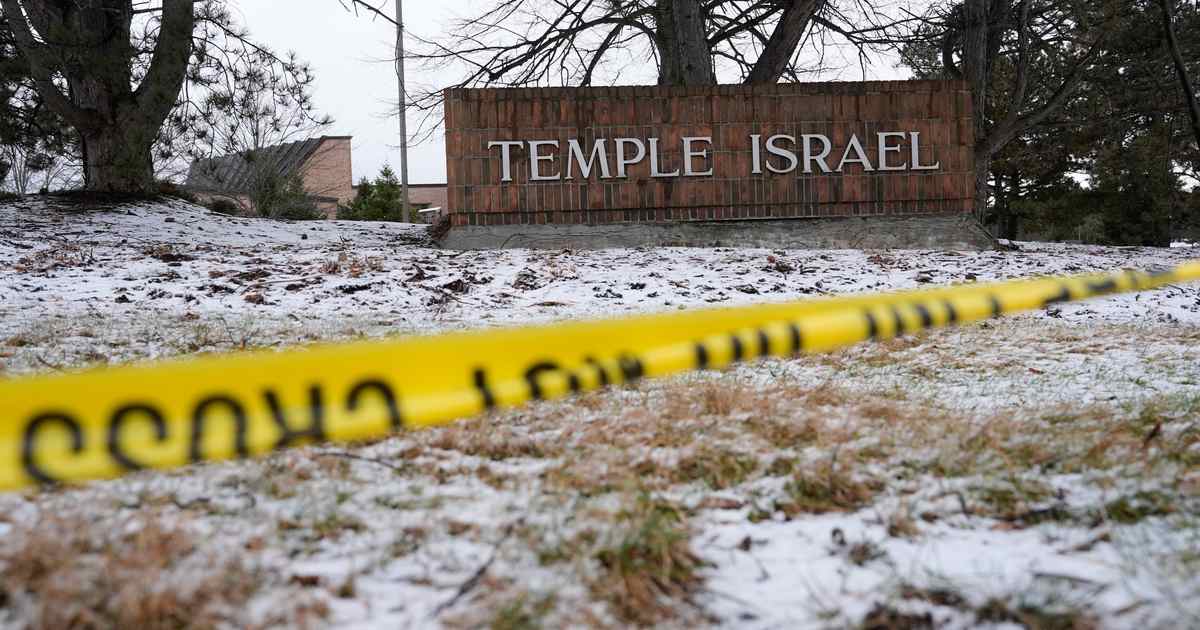
Islamic terrorist Ayman Mohamad Ghazali drove his vehicle into the synagogue and, armed with a rifle, planned to kill as many Jews, including children, as he was able to. Fortunately no children were present that day and armed security intervened before he could do far more damage. Their quick action stopped the attack and ensured fewer lives were endangered.
In the wake of the attack, some in Dearborn Heights offered explanations that read like rationalizations. Mohamad Baydoun suggested the victims deserved it because Ghazali lost family, and elements of the media amplified that narrative instead of condemning the act outright.
Except there’s a bit of pertinent information missing from this. Turns out Ghazali’s brothers were members of Hezbollah.
The mayor of Dearborn Heights said that the suspect involved in the shooting and vehicle-ramming attack at a Detroit-area synagogue had “lost several members of his own family … in an Israeli attack on their home in Lebanon."
Read more: https://t.co/20neXf2B6p pic.twitter.com/5a8uyHspxZ
— ABC News (@ABC) March 13, 2026
That detail raises questions about our vetting systems and how a naturalized citizen with those family ties moved through them. It also brings political tensions to the surface: will the media and the Left defend tolerating terrorist sympathizers in communities, or will they face pressure to demand accountability? Those questions will play differently at the ballot box than they do in cable news segments.
It also puts forth a fun new legal standard: we can now retaliate against people who harm us?
There are 3,000 families who lost loved ones on 9/11 who didn’t retaliate against Muslims. Many of them carried grief without turning it into vengeance, and they did so while trusting prosecutors and law enforcement to uphold the rule of law. The assumption that protesters or pundits will protect anyone who seeks revenge is a dangerous fantasy, as recent high-profile cases have shown.
There’s no excuse for terrorism, and there’s certainly no excuse for trying to dress it up as something understandable or justified. The moment you start arguing that civilians deserved to die because of something someone else did halfway around the world, you’re not condemning terrorism—you’re endorsing it.
And that’s a dangerous road to travel. Because once that logic takes hold, it doesn’t stop at synagogues. It applies everywhere, to everyone. A society that accepts collective punishment as moral justification for murder is a society that has abandoned the very idea of civilization.
The people who showed up at Temple Israel did the one thing the rationalizers did not: they protected civilians and confronted violence directly. The armed security who stopped Ghazali didn’t rationalize terrorism. They ended it. The practical lesson for leaders and voters alike is that rhetoric matters, institutions matter, and courage in the moment saves lives.