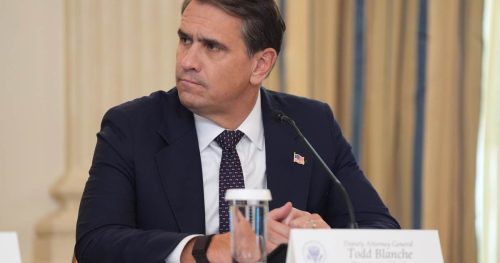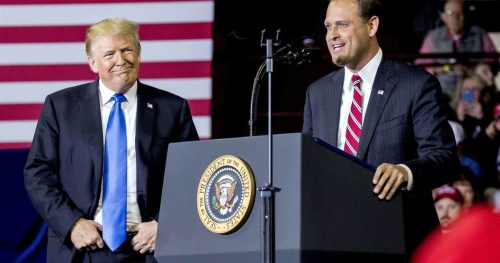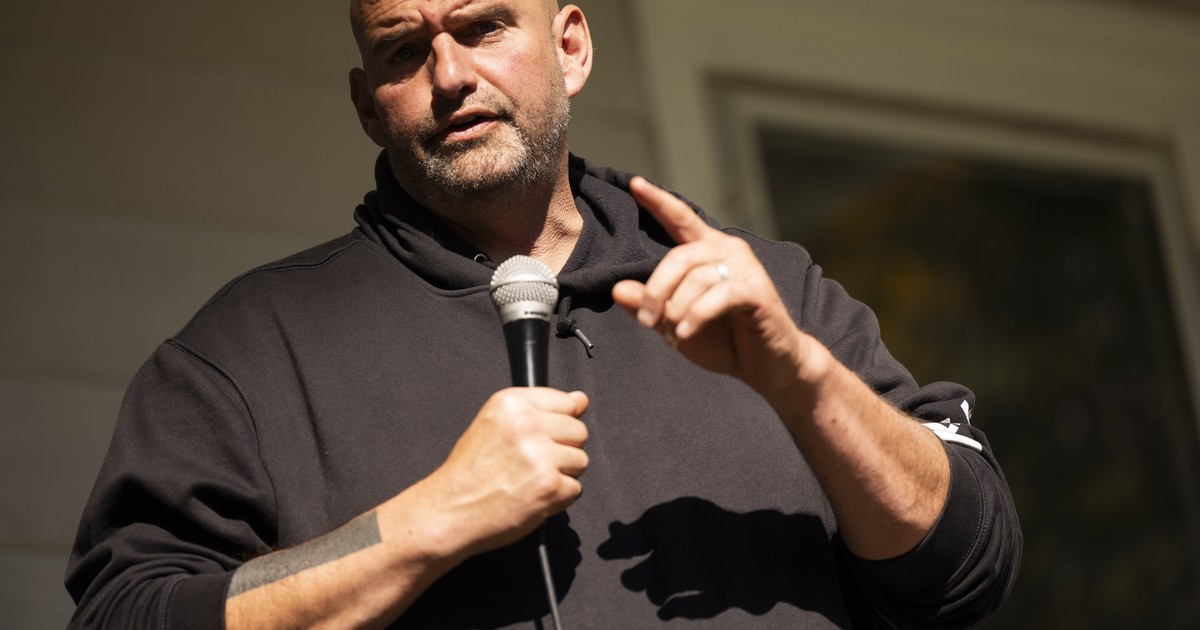
Sen. John Fetterman defended Markwayne Mullin against critics who call him too inexperienced to lead the Department of Homeland Security, arguing that past credentials do not guarantee competent border policy and that focus should be on results and commitment to securing the nation.
Senator John Fetterman publicly pushed back against the argument that Markwayne Mullin lacks the background to run DHS. He said experience on paper is not the same as producing effective outcomes, and he pointed to examples where credentials did not stop failure. The exchange has renewed debate over what qualifications matter most for homeland security leadership.
Fetterman framed the conversation around outcomes rather than résumés, suggesting political theater often drowns out practical priorities. He highlighted the border crisis under prior leadership as proof that experience alone did not deliver results. That point landed with conservatives who have long blamed weak policy for porous borders.
🚨NEW: John Fetterman *FIRES BACK* when Chris Cuomo suggests Markwayne Mullin too inexperienced to be DHS Secretary🚨
"Well, Mayorkas may have had some experience — and the border turned into an ABSOLUTE DISASTER!"@DailyCaller pic.twitter.com/eapoXiVN4V
— Jason Cohen 🇺🇸 (@JasonJournoDC) March 26, 2026
Republicans have seized on Fetterman’s pushback as a welcome break from reflexive partisan attacks. The argument is simple: pick someone who will secure the border and enforce the law, not someone who just looks great on paper. Mullin’s supporters say his priorities and willingness to act matter more than whether he spent years in federal law enforcement.
Fetterman did not ignore the political blowback members of his party faced. He acknowledged private concerns from Democrats and said some feared public reaction more than the substance of the nomination. That honesty undercuts the predictable outrage machine and shifts discussion to policy outcomes instead of headlines.
“I didn’t know that you thought he was a good fit for the job,” Cuomo said. “Because I’ve never seen anybody in that position with no experience in law enforcement, let alone homeland security.
“Yeah, well, Mayorkas may have had some experience and the border turned into an absolute disaster,” Sen. Fetterman replied. “And I referred to Noem as their version of Mayorkas, you know, but I do believe he’s committed and we’ve had multiple conversations and his top priority is to secure our border, round up all of the criminals, and they’re not going to have any more things like Minneapolis and that tragedy.”
“And I would point out that to my knowledge, what I’ve reported, there is no ICE presence in Minneapolis anymore right now,” he continued. “So, you know, we have a choice to find someone to work with. And now that’s a choice that I made, and there were multiple Democrats privately, they wanted to work or to vote for him.
The pushback from Fetterman gives Republicans an opening to underline the failures of the previous DHS leadership. For years conservative voices blamed lax enforcement and permissive policies for rising illegal crossings and strained resources. Fetterman’s remarks validate that critique while refusing to play the predictable partisan role.
Critics of Mullin quickly reached for personal jabs and mockery instead of substantive policy debate. Late-night hosts and commentators took aim at his nontraditional background rather than asking how he would change enforcement, fences, or detention and deportation policy. That kind of cultural mockery does nothing to lower crossings or bolster frontline law enforcement.
Mullin’s defenders stress that practical experience comes in many forms, including running businesses, dealing with logistics, and working with state and local law enforcement. They argue those skills translate to managing a large, complex federal agency. Handling budgets, personnel, and crisis response are the everyday test of leadership at DHS.
The debate also highlights a deeper split over what constitutes effective homeland policy. One side treats tenure or prior federal titles as proof of competence, while the other prioritizes clear goals and accountability. The question now is whether Congress and the public will demand measurable action over comforting pedigrees.
Republican lawmakers pushing for tougher border measures see Mullin as someone likely to enforce laws strictly and to back ICE and border agents. That posture appeals to voters who want fewer illegal entries, stronger interior enforcement, and a clearer chain of command. The contrast with past leadership is central to GOP messaging heading into the next election cycles.
Fetterman’s stance complicates the usual partisan script and forces Democrats to reckon privately and publicly with the nomination. Some Democrats reportedly signaled they would work with Mullin despite reservations, which underscores that bipartisan consensus can form around basic security priorities. That kind of cooperation matters when the policy stakes are the safety of communities and the integrity of the immigration system.
Meanwhile, popular culture sniping continues to overshadow parts of the policy debate, with pundits mocking Mullin’s previous work history instead of evaluating his plans. Those attacks draw attention but do not answer how border crossings will be reduced or how cartels will be disrupted. Practical solutions will come from policy and enforcement, not late-night jokes.
The conversation going forward will test whether Washington chooses performative credentials or tangible outcomes. For many voters, the proof will be in what changes at the border and how quickly officials restore control. If Mullin can deliver measurable improvement, critics who focused on his background will look increasingly tone-deaf.
Fetterman’s comments offered a surprising rebuke to the reflexive headline-driven opposition and nudged the debate toward competence and results. The next steps will be committee hearings, policy plans, and the concrete actions Mullin proposes for DHS. That process will decide whether the focus stays on resumes or on fixing a long-running security problem.
Public attention now turns to how the new DHS leadership intends to prioritize personnel, technology, and interagency coordination. The job ahead will test whether rhetoric about commitment translates into operational change along the border and within immigration enforcement. Those outcomes are what voters will remember, not late-night takes or resume sniping.