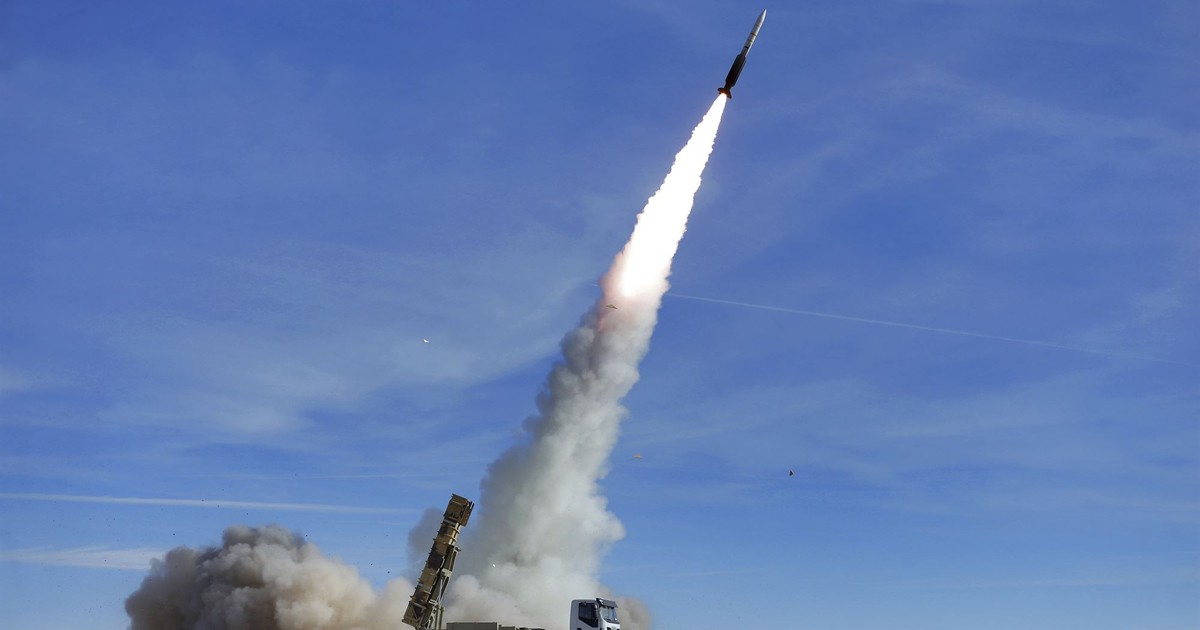
NATO forces shot down an Iranian missile fired toward Turkey, signaling a new flashpoint in Tehran’s regional retaliation to Operation Epic Fury and prompting diplomatic warnings and military posture checks across NATO and the Middle East.
NATO air defense systems intercepted and destroyed an Iranian missile that was launched toward Turkish territory early Wednesday, officials said, an event that raises stakes after a wave of strikes tied to Operation Epic Fury. The engagement happened over international airspace after the projectile traversed Iraqi and Syrian skies, and it represents a rare instance of NATO directly countering an Iranian strike. The incident has already triggered urgent consultations among allies and fresh warnings from Ankara about defensive responses.
Turkey’s Defense Ministry reported that the missile was shot down by missile defense assets deployed in the eastern Mediterranean as it crossed through Iraqi and Syrian airspace.
“We warn all parties to refrain from actions that would lead to further escalation of conflict in the region. In this context, we will continue to consult with NATO and our other allies,” the Turkish Defense Ministry said in a statement. “All necessary steps to defend our territory and airspace will be taken resolutely and without hesitation. We remind all parties that we reserve the right to respond to any hostile actions against our country.”
BREAKING: NATO air defenses have intercepted an Iranian ballistic missile headed for Turkey, with fragments of that missile landing in southern Turkey.
Trey Yingst: “This is a major development and the first time that a country like Turkey has received incoming Iranian… pic.twitter.com/QfCNKsHgzH
— RedWave Press (@RedWavePress) March 4, 2026
Turkey’s foreign minister moved quickly to register anger with Tehran, calling Iranian officials to press the point and demand explanations. That phone call underlines Ankara’s unease about being dragged into a wider confrontation and its insistence on protecting sovereignty without hesitation. NATO members are watching closely to gauge whether Iran’s campaign will prompt further direct encounters in the eastern Mediterranean.
At a Wednesday briefing, Secretary of War Pete Hegseth addressed the interception and downplayed the likelihood of an automatic NATO collective-defense trigger, saying there was no reason to assume that the event would trigger Article 5, which would require NATO allies to assist the attacked party by taking “such action as it deems necessary, including the use of armed force,” to restore and maintain security. Hegseth framed the response as measured but firm, emphasizing that allies are coordinating to deter additional strikes. That stance aims to signal unity while avoiding an escalation ladder that could draw multiple capitals into direct combat.
Iran’s campaign has not been limited to one target set, and it appears intended to punish nations that supported or condoned Operation Epic Fury. Reports and regional assessments point to strikes against U.S. positions, actions aimed at Israel, and operations that impinged upon Saudi Arabia, the United Arab Emirates, and Qatar. Those moves have prompted public warnings from regional states that further violations of their sovereignty risk drawing them in more forcefully, and Riyadh has reportedly prepared contingencies that could include military options if attacks continue.
The NATO interception highlights a few hard truths for policymakers: air defenses deployed by allies can and will act to protect partner territory, regional escalation can happen quickly, and deterrence still relies on credible, decisive responses. Military planners in Ankara, Brussels, and Washington are recalibrating patrols, rules of engagement, and diplomatic messaging to avoid miscalculation. At the same time, Turkey’s insistence on consultations with NATO underscores that alliance politics will shape whether incidents remain contained or spiral.
While the immediate kinetic threat was neutralized, the political fallout is unfolding across capitals and on the ground in the Middle East, where proxy and direct actions have merged into a broader contest. Arab states and NATO allies alike are balancing the desire to deter Tehran with the need to prevent a widening war that could engulf energy routes and civilian populations. The military moves are now being matched with intense diplomacy, public statements of deterrence, and quiet channels aimed at de-escalation.
Related: IRAN, NATO, TURKEY, UNITED ARAB EMIRATES, OPERATION EPIC FURY
Editor’s Note: For decades, former presidents have been all talk and no action. Now, Donald Trump is eliminating the threat from Iran once and for all.
Help us report the truth about the Trump administration’s decisive actions to keep Americans safe and bring peace to the world. Join Townhall VIP and use promo code FIGHT to get 60% off your VIP membership.