New York faces a proposal to turn off most city lights from 11 p.m. to 5 a.m., a plan that has sparked outrage from critics who say it would trade safety for symbolism and won’t take effect for years.
“I want to wake up in the city that never sleeps,” sang Frank Sinatra in “Theme from New York, New York.” That song was released 46 years ago, and now New York City’s commie mayor is poised to put an end to that moniker as the city’s lawmakers are looking to make the city go dark from 11 pm to 5 am. The idea is dressed up as environmental stewardship, but opponents warn it will reshape daily life after dusk.
Fox News reports that some critics are calling this legislation a “criminal’s dream.” The proposed Dark Skies Protection Act would require businesses and residents to shut off most lights between 11 p.m. and 5 a.m. under the banner of saving energy and protecting migratory birds. Supporters frame it as reducing light pollution and cutting carbon footprints, while detractors see a policy that puts convenience and safety at odds.
INSANITY: New York City lawmakers are trying to pass a bill that would make the city go completely dark after 11 p.m.
Fox & Friends: “Some critics are [calling the bill] a criminal’s dream. It would force the businesses, residents, and iconic landmarks to go completely dark… pic.twitter.com/2LGVzKYD7Z
— RedWave Press (@RedWavePress) March 28, 2026
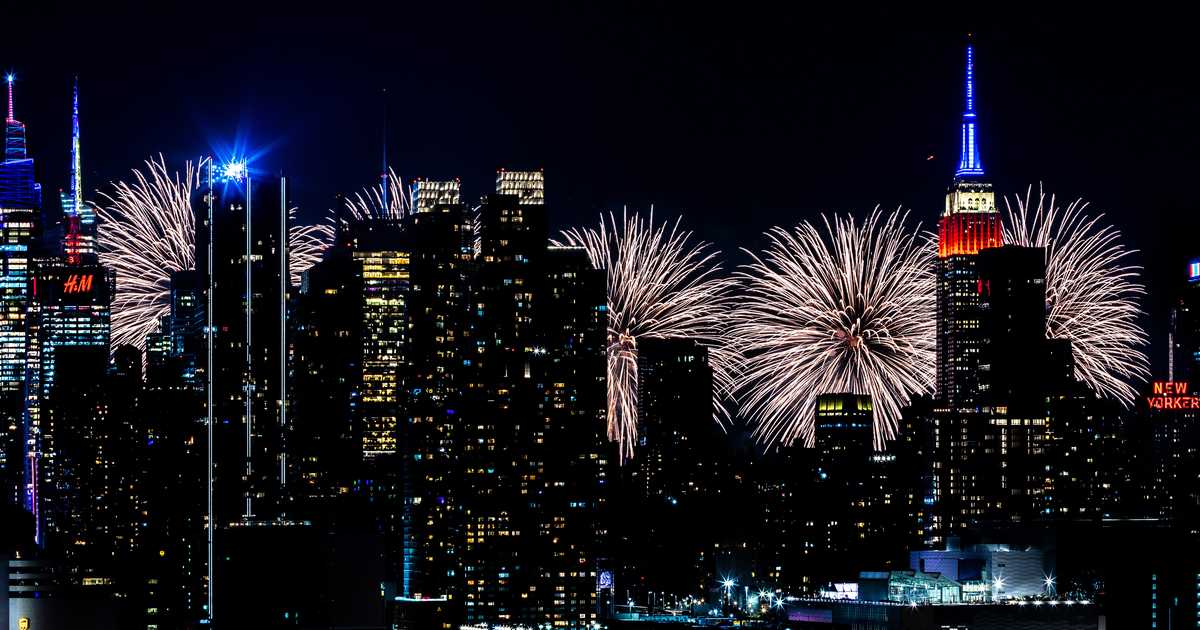
A state lawmaker has a dim-witted plan that would force the Empire State Building and nearly all of New York City to go dark after 11 p.m. — but detractors say the plan would let criminals run wild under the cloak of night.
The “Dark Skies Protection Act,” sponsored by Manhattan Assemblywoman Deborah Glick, would require Big Apple businesses and residents to hit the off switch between 11 p.m. and 5 a.m. to save energy, help migratory birds and avoid “light pollution,” according to the proposed bill.
The goal is to “preserve and enhance the state’s dark sky while promoting safety for people, birds and other wildlife, conserving energy and reducing our carbon footprint, and preserving the aesthetic qualities of the night sky,” the legislation declares.
The bill wouldn’t go into effect until 2028, which undercuts the urgency argument about protecting migratory birds and cutting emissions immediately. It also currently lacks a state Senate sponsor, making passage uncertain and giving critics room to question whether this is a serious public-safety policy or a symbolic stunt. That timing gives opponents ammunition to argue the measure is more theatrical than practical.
Mamdani is ahead of schedule, it seems. Critics point to recent shifts in city leadership and policy as evidence the mayor is comfortable steering New York toward radical experiments, with this lights-out idea as one example of broader priorities that many residents find troubling.
That’s North Korea at night, by the way. The image is provocative on purpose, and defenders of the city’s nocturnal character see the proposed blackout as an eerie metaphor for lost freedoms and diminished public life. The comparison is meant to underline how stark a city without its evening lights would feel.
Remember, the mayor said violence is simply a construct and not real, anyway. That comment has become shorthand for critics who feel elected leaders are downplaying crime while rolling out policies that could make streets less safe after dark. Combined, the rhetoric and the proposal feed a narrative of misaligned priorities.
It’s becoming a prison. When public spaces are darkened and activity is discouraged, neighborhoods can feel less inviting and more hazardous, particularly for late-shift workers and residents who rely on nighttime transportation. The policy’s stated environmental aims collide directly with practical concerns about mobility and safety.
The Democrats see this as a feature, not a bug, according to critics who argue the party is willing to trade civic vitality for control and a curated aesthetic. That perspective frames the proposal as part of a pattern where policy choices reflect ideology more than lived reality. Observers on the right view the move as another example of governance that punishes prosperity and normal urban life.
That’s the truth, many say, and they warn this is not an isolated misstep but part of an agenda that values symbolism over substance. Opponents worry that turning off the lights will empower criminals and degrade the everyday freedoms that make cities attractive. The stakes, in their view, go beyond birds and energy numbers; they cut to quality of life and public safety.
The destruction is the point. They hate American ingenuity, wealth, and especially our freedom. By imposing a curfew on the city and enabling criminals, they irreparably damage all those things.
Editor’s Note: New York City is now facing the consequences of Mayor Zohran Mamdani’s socialist takeover.