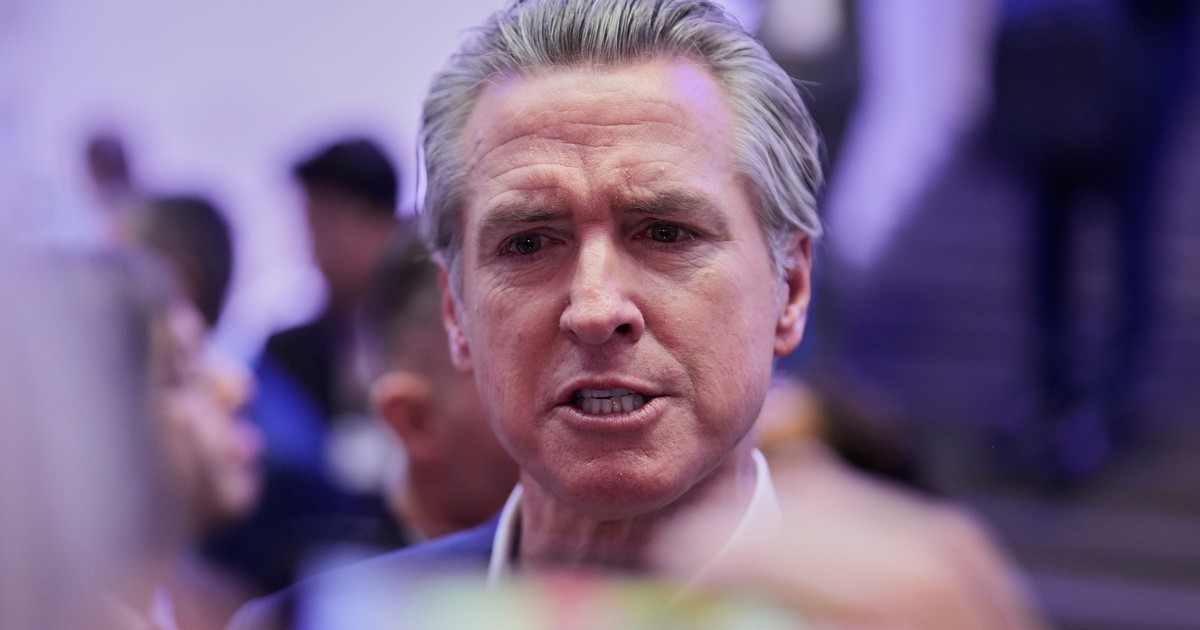
Gavin Newsom’s record in Sacramento reads like a case study in policy choices that have strained families, strained institutions, and strained common sense.
Gavin Newsom talks like a champion of families, but his record paints a different picture. From courtroom losses over parental rights to policies that sideline parents and religious foster families, California under Newsom has become a battleground over who raises and protects kids. The tension between state power and parental authority keeps getting louder, and the consequences are real for everyday families.
There was a time when California’s image—sun, innovation, culture—made people dream of moving there. That glow has faded as policy decisions and political priorities pushed many residents to question whether the state still looks out for families. For conservatives watching national politics, Newsom’s prominence on the 2028 radar is worrying because state-level choices would only magnify on a federal stage.
The state’s approach to gender-transition policies in schools just ran into a major legal check. California was hit with a 6-3 ruling from the Supreme Court that a policy requiring schools to keep a student’s “gender transition” secret from parents was unconstitutional. The ruling included this exact language: “Gender dysphoria is a condition that has an important bearing on a child’s mental health, but when a child exhibits symptoms of gender dysphoria at school, California’s polices conceal that information from parents and facilitate a degree of gender transitioning during school hours. These policies likely violate parents’ rights to direct the upbringing and education of their children,” the ruling read.
In court, California argued students “have a right to privacy about their gender expression” and tried to “strike a balance” with parents’ rights, but the high court disagreed. The decision underscores a basic point: parents expect to be in the loop about their children’s medical and emotional needs, not frozen out by school bureaucracy. When the state chooses secrecy over family, it tilts the scales away from home and toward government control.
California is pro parent, pro kids & pro family — and our policies back that up https://t.co/FEvfP5H1dQ
— Governor Newsom Press Office (@GovPressOffice) March 3, 2026
By removing parents from the equation entirely, of course. That is where the policy logic takes a hard left turn into consequences. When the state becomes the arbiter of a child’s private choices without parental consent, the family unit loses its primary role in raising children.
California’s child protection policies have been reshaped in ways that worry many conservatives. There are reports of CPS actions tied to parents who refuse to “affirm” a child’s gender transition, and critics say that pathway can lead to children being moved out of parental custody. Once that happens, the state can, in practice, facilitate medical and social transitions without parental consent, a development that alarms advocates for parental rights and religious liberty.
We’ve also seen heartbreaking fallout tied to these social policies, including cases where youth suicide has been linked to the confusion and conflict around gender identity and institutional responses. Those tragedies are not abstract numbers; they are family crises that many say could have been handled better if parents had been central to the process. The human cost fuels the political argument: who should decide how vulnerable kids are supported and treated?
Newsom’s administration has also tightened rules on foster parenting, effectively excluding some Christian families from consideration if they decline to affirm certain gender identities. That choice shrinks the pool of potential foster homes and, according to critics, leaves vulnerable kids in an already overwhelmed system. At the same time, moves to decriminalize sex work complicate safety nets for exploited young people and raise concerns about how policy signals affect exploitation and trafficking on the ground.
There are cultural touches that underscore the exodus of some families and wealth from California. High-profile relocations by public figures are symbolic, but the underlying drivers—cost of living, public safety, and governance—are what push ordinary families to reconsider where to raise children. If affluent families leave because they see California as inhospitable to child-rearing, the message is hard to ignore.
The governor’s posture on interstate legal fights also tells you something about priorities. When Louisiana sued over doctors mailing abortion drugs into its state, Newsom’s response to Attorney General Liz Murrill was blunt: “go f*** yourself.” That exact quote captures a tone that some see as provocative rather than conciliatory, and it raises questions about respect for other states’ laws and for women who may be pressured into medical decisions without full consent.
Even the touted “maternity leave” framework under Newsom is underwhelming up close. It combines eight weeks of state disability with eight weeks of paid family leave and caps benefits at $1,765 a week or 90 percent of salary. For many families, that falls short of meaningful support during a critical time and feels more like political theater than a robust family-first policy.
Can any of these moves be squared with a sincere “pro-family” claim? The record invites skepticism. If policies remove parents from crucial decisions, shrink foster options for faith-based families, and boost legal protections that critics say harm kids, then the governor’s label of family champion is at best a marketing line and at worst a misdirection.
Whether you care about parental authority, religious freedom, or the safety and stability of children, California’s direction under Newsom raises serious red flags. The debate over who raises our kids isn’t abstract; it’s a fight over custody of the next generation, and it’s playing out in courts, schools, and legislatures across the state.