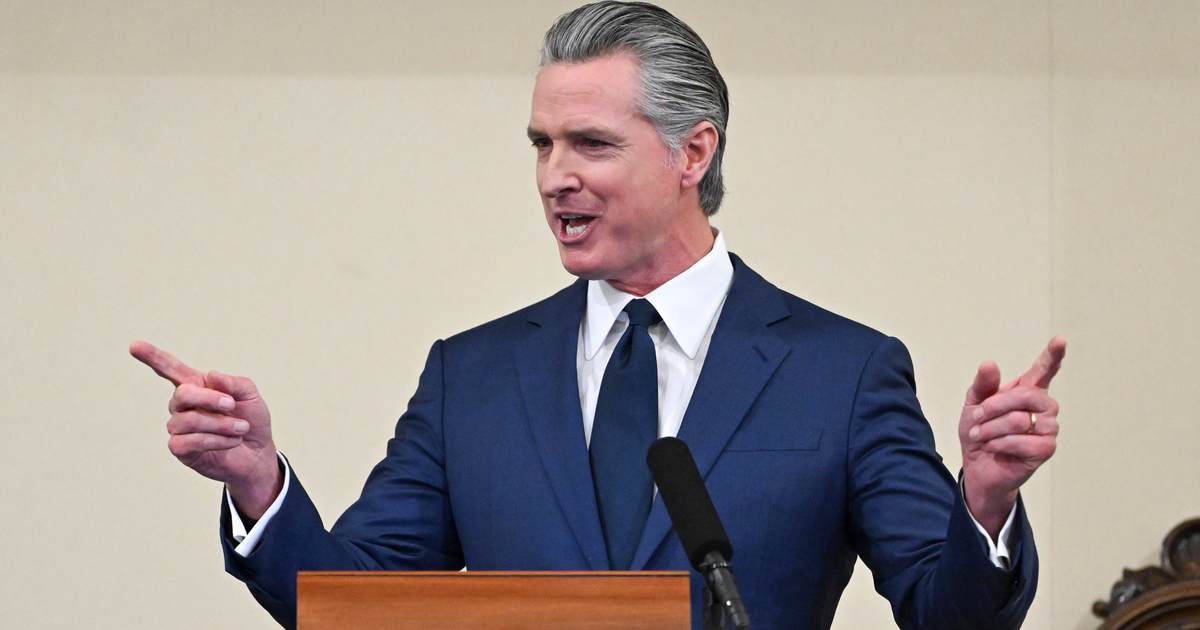
Gavin Newsom’s press shop attacked independent reporter Nick Shirley after he exposed widespread fraud in California’s social programs, and the backlash highlights how political power can be used to dismiss uncomfortable investigations instead of fixing the corruption they reveal.
California is in the middle of a growing scandal over fraud in social welfare programs, with multiple outlets and voices raising alarms about hospice and homeless program abuse. Reporters and commentators have pointed to patterns that suggest this is not isolated — the scope looks much larger than any single story. That means taxpayers and families deserve clear answers, not spin. The stakes are public trust and the effectiveness of services for vulnerable people.
Nick Shirley, the independent journalist whose work helped end Governor Tim Walz’s career by exposing Somali daycare fraud in Minnesota, followed leads to California to dig into similar problems. He focused on hospice agencies, daycare programs, and other welfare-related operations that appear ripe for abuse. Investigative work like this is supposed to prompt accountability, not personal attacks. Shirley’s record shows he knows how to follow paperwork and spot patterns government officials miss or ignore.
This is how the Newsom Press Office responded.
Keeping it classy, we see. The official reaction was defensive and quick to hit the messenger rather than address the mess. That kind of posture tells the public more about priorities than any press release ever could. When leaders prioritize image management over investigation, corruption gets harder to root out.
Nick Shirley, right now pic.twitter.com/vWrp34Dmfa
— Governor Newsom Press Office (@GovPressOffice) March 17, 2026
Newsom himself publicly told CBS News Editor-in-Chief Bari Weiss that he “cracked down” on hospice fraud, a neat soundbite that reads well in interviews. The record tells a different story: he froze new hospice licenses only after the number of agencies ballooned, overseeing a 1,500 percent increase in agencies before that move. That figure alone should have triggered immediate investigations and enforcement, not a pause on licensing that leaves bad actors in place.
None of those fake hospice agencies have been shut down or investigated by Newsom’s administration. Regulators appear to have failed to follow through while political messaging focused on the appearance of action. The absence of enforcement is the real headline here, and it’s what investigative reporters like Shirley are trying to expose. Without oversight, vulnerable patients and taxpayers keep paying the price.
Gavin Newsom works for one person: himself. That blunt assessment reflects how responses to scandals often protect political interests first. When officials answer critics with personal attacks instead of documents and inspections, it’s a red flag. Leadership should look like accountability, not damage control.
He’s (D)ifferent though. That jab is more than wordplay for critics who see a pattern: party loyalty and constituency protections that override the public interest. When corruption benefits a political coalition, the impulse is to defend the system rather than fix it. That tendency corrodes public confidence in governance.
They don’t care. Too often, the people running the show tolerate fraud if the beneficiaries are political allies or if exposing the fraud would be inconvenient. That tolerance becomes policy when oversight is weak and investigations are sidelined. Citizens paying taxes deserve better than a two-tier system of enforcement.
Shirley’s work is the kind that can change a political trajectory, and some people clearly recognize that threat. There’s genuine hope among critics that his investigations will derail Newsom’s wider ambitions, because exposing entrenched corruption tends to undercut political narratives. Independent journalism has a track record of shifting power when it forces issues into the open. That’s why attacks on reporters are so dangerous to democracy.
We’ve seen how prosecutions and investigations can be politically motivated before. Under Attorney General Kamala Harris, independent journalist David Daleiden was arrested after exposing Planned Parenthood for selling fetal tissue, a case that raised serious free press and legal questions. It’s reasonable to worry that current officials, including Attorney General Rob Bonta, might look for ways to intimidate or silence similar investigative work. Threatening journalists is a shortcut for those who prefer secrecy to scrutiny.
This is exactly state-run propaganda when official channels pivot to discrediting investigators instead of correcting the problems they uncover. The pattern is familiar: accuse the critic, then move on without fixing the institutional failures that let fraud thrive. Propaganda thrives where transparency dies.
That’s the end game for those who benefit: make the noise stop and keep the money flowing to favored groups while taxpayers foot the bill. Journalists who dig into waste, fraud, and abuse threaten that setup, so they become targets. If we want cleaner government, the first step is protecting the people who point out how it’s broken and demanding enforcement over excuses.