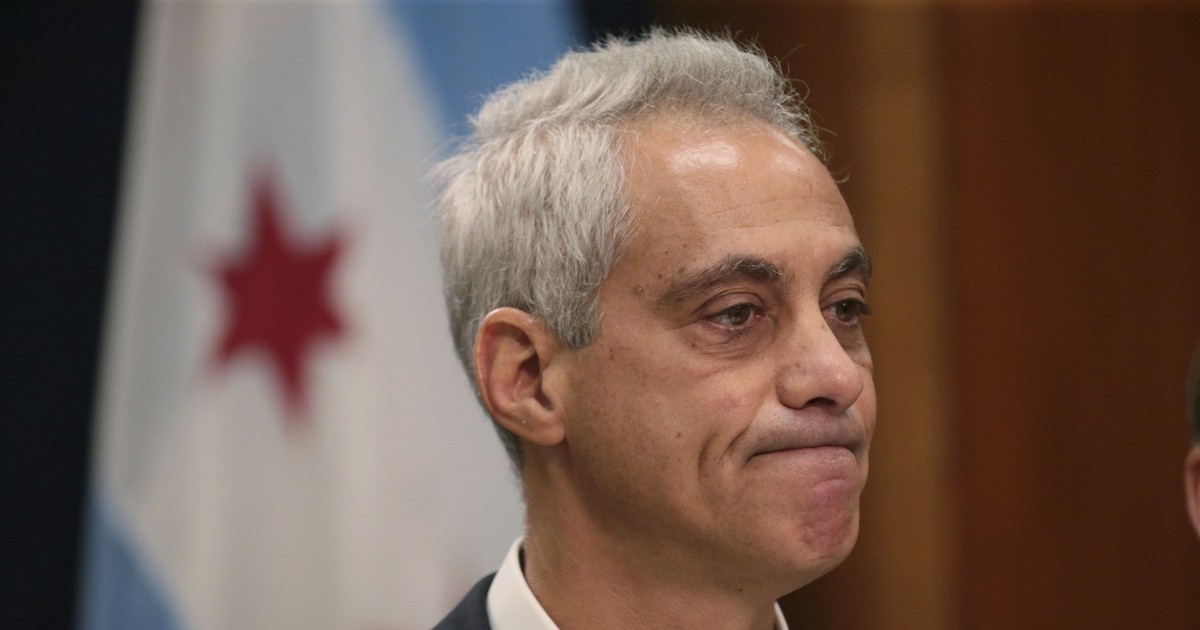
Rahm Emanuel is drawing attention with a proposed plan to redirect ICE funding, stirring debate about border security, party priorities, and the political posture of Democrats as they position for the 2028 cycle.
Rahm Emanuel, the former Chicago mayor and Obama White House alum, is being talked about as a possible 2028 contender. Media chatter even highlighted a mundane moment — a salad — to humanize him, but the policy angle that grabbed serious attention is his reported move to shift funds away from ICE.
That proposal is being framed by allies as a way to set him apart in a crowded Democratic field and to signal a tougher stance on certain progressive priorities. Opponents see it as a political stunt that weakens border enforcement and ignores practical consequences for communities and frontline agents.
Scoop: Rahm Emanuel announces plan to divert ICE money to community colleges https://t.co/ktxo6Mzbm3
— Axios (@axios) March 31, 2026
— Andrew Kaczynski (@KFILE)
“Yes, that’s it.”
“That’s exactly what he’s doing.”
“Open borders is a plank in the Democratic Party platform.”
From a Republican perspective, this is more than candidate theater. Cutting ICE funding would limit the agency’s ability to detain, remove, and investigate those who enter illegally, which critics argue will embolden smugglers and cartels while tying the hands of law enforcement tasked with keeping people safe.
There are broader budget and public-safety implications to consider. Local governments already shoulder many costs when federal enforcement recedes, and taxpayers end up footing bills for shelter, schooling, and emergency medical care for large numbers of new arrivals.
The argument from the other side frames ICE as an agency in need of reform, and some Democrats push for redirecting funds toward immigration courts, legal services, or community programs. That debate matters, but it shouldn’t gloss over concrete risks to public order and national security.
Here’s the blunt reality Republicans point to: acts of terrorism on the part of illegal immigrants, rampant crime from illegal immigrants, and billions of dollars spent on housing, food, education, and medical care for illegal immigrants. Those claims are used to justify a focus on enforcement, tougher border barriers, and stronger interagency cooperation to stem dangerous flows.
It’s also worth noting that early media attention doesn’t equal staying power in any primary. Name recognition gives a temporary spotlight to many figures who never end up as the party standard-bearer, and Emanuel’s policy gambit could be an attempt to build differentiation rather than a fully fleshed platform.
Political calculation aside, this episode exposes a fault line inside the Democratic coalition. One wing favors expansive immigration changes and looser enforcement, while others worry about housekeeping and the immediate impacts of uncontrolled crossings on schools, hospitals, and public safety.
Skeptics on the right will treat any move to defund or reassign ICE money as proof that the Democratic leadership is willing to sacrifice border security for ideological goals. That framing plays well with voters focused on law and order and those who want clear accountability for federal border policy.
Whatever the motive, the debate over ICE funding highlights a larger question: will federal policy emphasize strict enforcement and removal, or will it shift toward alternatives that prioritize processing, resettlement, and legal pathways at the expense of traditional detention and deportation tools? That choice will shape the politics and real-world outcomes for years to come.