Rand Paul is publicly skeptical about polling on Trump and Iran, even as most indicators and the MAGA base suggest broad support for the strikes.
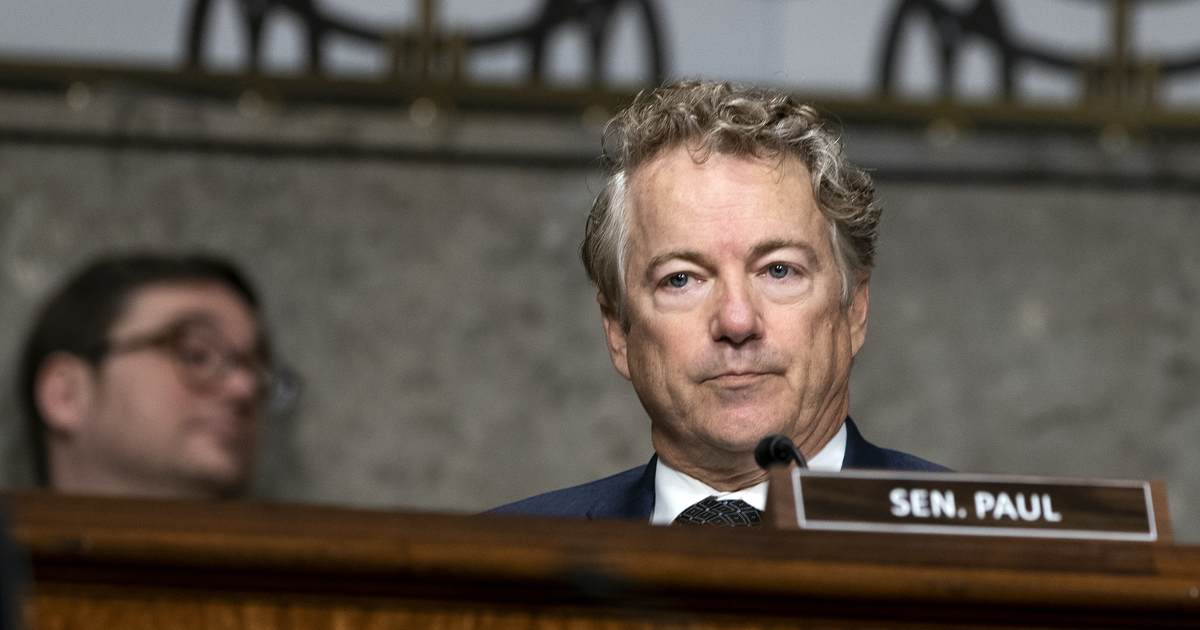
Sen. Rand Paul (R-KY) has built a reputation for steady contrarianism, and his latest posture on polling around Trump’s actions toward Iran fits that reputation. He’s picked a fight with the conventional narrative, insisting that the data being floated about a fractured MAGA response is off. That stance is predictable for him, but it clashes with what other Republicans and public polls are showing.
There’s a clear split between a few outspoken skeptics and the wider MAGA coalition, which has largely rallied behind decisive measures against Iran. Polling released across the political spectrum points toward support for action, not the schism some have tried to spin. When the media leans hard on a narrative of division, Republicans who back Trump see it as manufactured noise rather than reality.
Rand’s contrarian streak sometimes reads as loyalty to principle and other times as resistance to the party line, depending on the issue. On foreign policy and military moves, he’s famously cautious, and that instinct guides his current remarks. Plenty of GOP voters respect a senator who holds firm to his own view, even if it means disagreeing with party leadership.
America is at war. But Americans don’t want this war. They didn’t vote for it. In fact, they voted for just the opposite.https://t.co/35inLFqFMJ
— Senator Rand Paul (@SenRandPaul) March 5, 2026
That said, public opinion is not a mystery here: multiple polls indicate broad MAGA approval for the strikes, and that momentum isn’t going to be reversed by isolated pushback. Conservatives who support strong responses to threats abroad see this as a moment when action matters more than debate. Messaging that suggests the base is split is getting less traction with voters who want clarity and strength.
Also, being in the company of Thomas Massie right now is not where you want to be. Massie’s posture reinforces the small-but-vocal wing of the party that questions military escalations, and when high-profile senators cluster in that camp it amplifies the perception of a larger rift than actually exists.
The media loves a rift because it creates headlines, and they’ve pushed that angle hard in hopes of framing GOP unity as shaky. When outlets try to manufacture a narrative, conservative readers often call it out immediately, which is what’s happening here. Anti-Trump or anti-action voices within conservative media can make the split look bigger than the numbers back up.
Could the strategic landscape change and alter public sentiment? Absolutely, and that’s a valid debate worth having as operations develop. Real-time events can shift opinions, especially if costs or complications appear unexpected. But leaning on poorly sourced or cherry-picked polling to argue a permanent MAGA split isn’t persuasive for those watching the broader trend.
Republicans who want a strong national defense see this as a test of clarity, not chaos, and they want the party to present a united front on fundamental security issues. Eroding that unity with sloppy reporting or selective statistics does a disservice to voters who expect clear answers. If senators disagree, that’s fine, but claims about large-scale base defections should be held to a high standard.
There’s room for debate among conservatives on tactics and timing, and principled dissent has a place in a healthy party. But framing a few high-profile dissents as a mass movement misleads the public and fuels partisan spin. The GOP electorate that supports Trump’s stance on Iran sees decisive action as necessary, and they’re unlikely to be swayed by narrative-driven coverage.
Dmitri wrote yesterday that the MAGA base, well, loves Trump: That snapshot captures how many grassroots supporters view the situation—loyalty to a leader they believe is acting to neutralize threats. It’s not about blind faith; it’s about a calculation that decisive action prevents bigger problems down the line.
Editor’s Note: For decades, former presidents have been all talk and no action. Now, Donald Trump is eliminating the threat from Iran once and for all.