The piece argues that the SAVE America Act represents a needed national standard for election security, but it is likely to falter in the Senate while state-level voter ID laws—often touted as strict—frequently include loopholes that weaken their impact.
The SAVE America Act has been a central talking point on the right for months, promising to validate citizenship at registration and confirm identity at the ballot box. That kind of national clarity would matter to conservatives who want elections you can trust. Yet the bill faces an uphill battle in the Senate, where some Republicans appear content to lose on principle rather than fight for results.
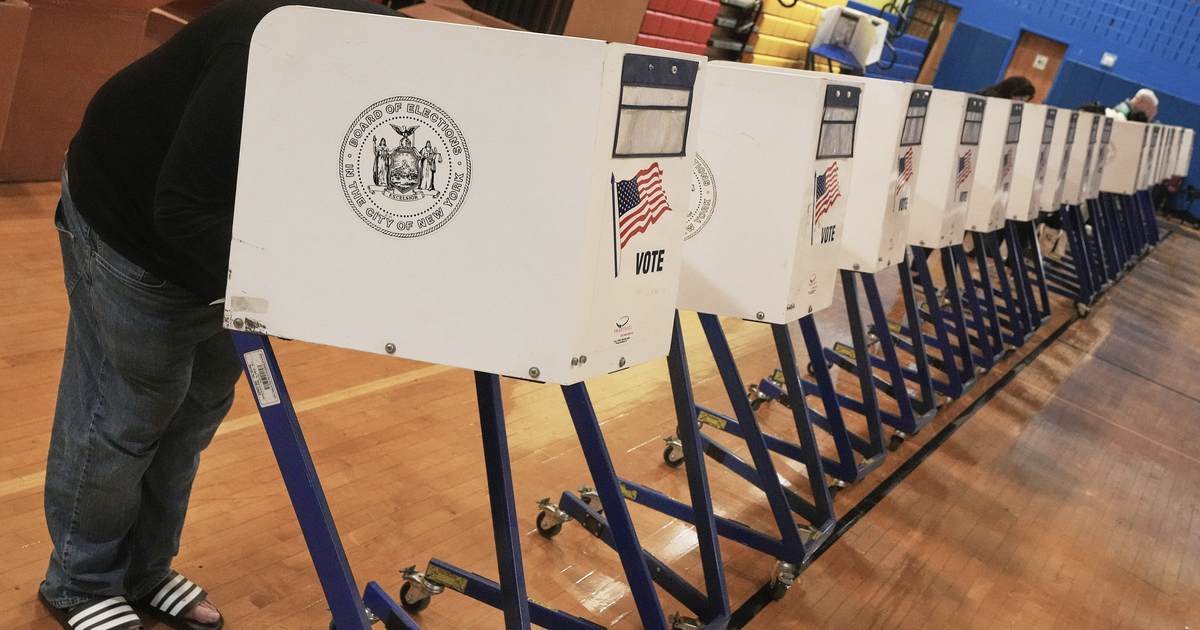
Many red states have tried to pick up the slack by passing voter ID laws, and voters are told these rules make elections safe and secure. Texans, for instance, proudly point to what they call “robust” voter ID laws and a list of seven “approved” forms of identification that are supposed to authenticate a voter. The reality on the ground is messier, and those caveats matter when the goal is stopping fraud before it happens.
For all the rhetoric, Texas allows alternatives when a voter can’t produce one of the named photo IDs. Voters can sign a “Reasonable Impediment Declaration” and present things like a utility bill, bank statement, or paycheck as proof. The state also accepts an expired ID for up to four years and indefinitely if the voter is 70 years old, which softens the whole “strict ID” story.
That flexibility is not just academic. It creates openings where someone without proper documentation could still slip through the process, and it undercuts the sales pitch that strict ID laws alone guarantee secure outcomes. Is it any wonder that an illegal was just caught voting in Texas? When loopholes exist, bad actors can find them.
Texas is far from unique. Nearly half of U.S. states require a photo ID, but in 11 of those states voters can use alternative forms of identification in lieu of a photo. Several of those are solidly red states—Nebraska, South Carolina, South Dakota, Idaho, Louisiana, and Indiana among them—so this is not a fringe concern limited to one region.
Those alternatives vary widely, and the patchwork approach leaves national elections vulnerable to inconsistency. A person who would be disqualified in one state might be allowed to vote in another because a different set of documents or declarations is accepted. Conservatives who want uniform protection should see that as a problem worth fixing.
BREAKING: Non-citizen has been caught voting in the 2024 election in Harris County, Texas.
— Leading Report (@LeadingReport) March 16, 2026
The SAVE America Act aims to create that uniform baseline, by requiring citizenship verification at registration and ID confirmation when voting. For Republicans, that kind of federal guardrail would finally match the rhetoric with enforceable standards. It would also prevent the argument that loose rules in some states can be exploited and then affect the broader national narrative about legitimacy.
Still, many GOP senators seem ready to prioritize process over outcome and preserve the silent filibuster as a comfort blanket. That posture hands Democrats an easy path to overturn or ignore norms once they control the agenda. If conservatives want meaningful reform rather than symbolic victories, they need more backbone in the chamber.
Passing a federal standard would not strip states of their authority to manage elections; it would simply make sure the baseline is solid and consistent. States could still innovate, but the minimum protections would be the same coast to coast. That balance is what voters expect when they hear politicians talk about secure, legitimate elections.
The unfinished business is political as much as it is legal. Republicans who fold now will hand their critics a talking point about hypocrisy and weakness, and they will leave the system vulnerable to further erosion. The base wants action—not placating words about norms when the stakes are clear.
Red states deserve credit for taking steps, but conservatives should be honest about the limits of what state-only fixes can accomplish. The system right now is inconsistent and open to exploitation, and only a firm, national baseline can close the obvious gaps. If the Senate punts, voters will remember who chose the easier talking points over the harder work of protecting our elections.