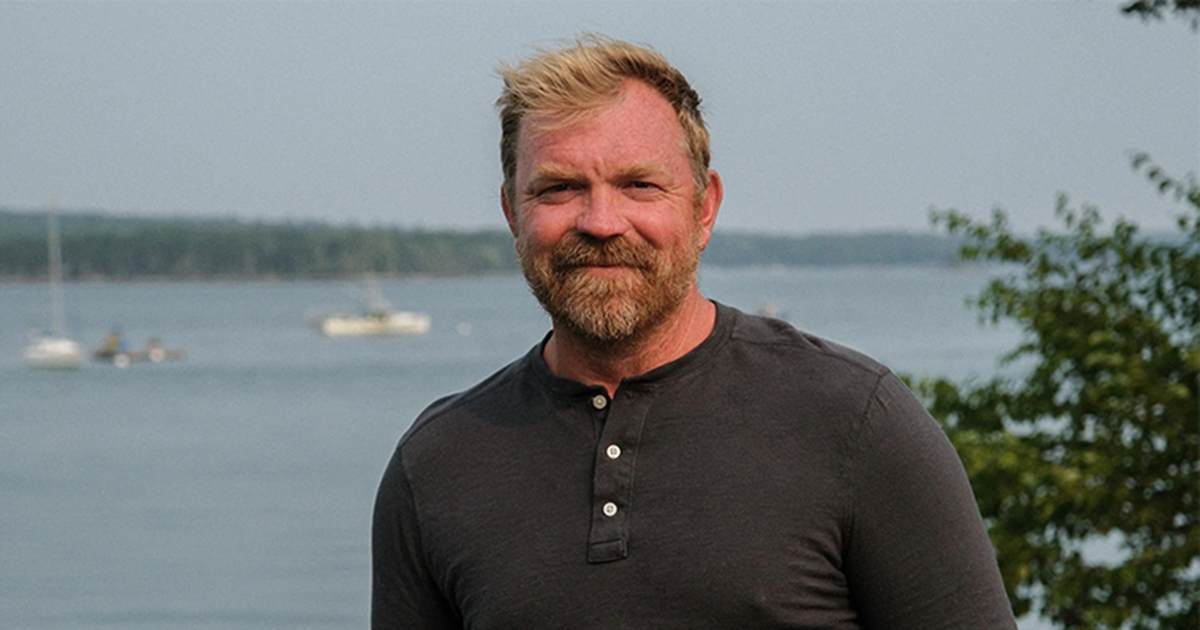
Graham Platner’s campaign is under scrutiny after revelations about a tattoo with SS origins, a withdrawn apology, and other controversies as he challenges Sen. Susan Collins in Maine; the episode raises questions about judgment, accountability, and what voters should expect from a statewide candidate.
I mean, come on, man. It’s been on your body for what—the length of the Peloponnesian War. You didn’t realize it was a Nazi tattoo. Your latest remarks make that clear.
In Maine, oyster farmer Graham Platner, a Democrat or “Austernzüchter” as they say in Germany, is trying to unseat incumbent Republican Sen. Susan Collins. He’s riding his seven-point lead into March even though he hasn’t secured the primary yet, and that gap has political observers paying attention. For a challenger, momentum can be real, but it is also fragile when credibility questions pile up.
Graham Plattner’s former Political Director: pic.twitter.com/NxGTmSwPEe
— Bulleit Manhattan up, please (@jmedarts) March 15, 2026
Platner recently withdrew an apology for a tattoo that has documented SS origins, and that back-and-forth is now part of the campaign narrative. A withdrawn apology reads as either careless spin or a candidate who never grasped the seriousness of the symbol in the first place. Either way, voters deserve a straight answer about how something like that ended up on a person who wants to hold federal office.
The optics are only part of the problem. The deeper issue is trust. If a candidate backtracks on a clear mistake or misrepresents what they knew, it complicates any message about competence, integrity, or leadership. In a race against an incumbent like Collins, opponents can amplify every stumble; Democrats should expect Republicans to point to these missteps and question judgment.
Beyond the tattoo controversy, Platner’s record includes training with what’s been described as an Antifa-like group, and questions about campaign management have followed him. Claims that he didn’t rely on D.C. consultants are countered by reporting suggesting otherwise, and that kind of contradiction matters when voters ask who’s actually running the operation. Campaigns are run by people, and inconsistencies about who’s advising a candidate create more political vulnerability than most campaigns want.
History matters here, too. Collins survived a tough challenge in 2020 from Sara Gideon, and she did it by leaning on a record voters recognized and on a disciplined message about competence. Platner’s approach so far looks less disciplined and more prone to drama, which can be fatal against a well-known incumbent. Name recognition and a steady campaign play to Collins’ strengths if Republicans keep pressing the contrast.
There’s also the policy theatre around Operation Epic Fury. Platner hasn’t managed to make the issue stick as a campaign liability for Collins, and failing to land a clear, persuasive attack leaves him with baggage and not much to show for it. When a challenger brings controversy without an effective policy frame, voters are left with questions and little reason to switch. That’s a problem for anyone trying to flip a seat with national implications.
At root, the story is about accountability and voter standards. When a candidate has a symbol tied to extremist ideology on their body, explains it away, then retracts an apology, voters have to decide whether that explanation is believable. Republicans watching this race are rightly focused on how these controversies highlight questions of judgment, and how they might factor into the general election math in a state like Maine.
For now, Platner leads in polls and the primary is not yet settled, so the campaign narrative will keep evolving. But political life is unforgiving: small mistakes, inconsistent explanations, and a tendency to create controversy instead of offering clear, constructive alternatives often cost campaigns momentum. Maine voters will weigh all of it as they decide if a challenger’s strengths outweigh a long list of troubling headlines.