A candid look at why restoring the Latin Mass during Holy Week matters to many Catholics and how recent Vatican moves and mixed messages have fueled a wider debate about liturgy, tradition, and pastoral care.
Pope Francis’ approach to the traditional Latin Mass has been a major flashpoint in recent years, with critics arguing his actions marginalized longtime worshippers who seek solemnity and tradition. From early in his papacy he labeled traditionalists “rigid” and “inflexible” for insisting on reverent rites and resisting liturgical liberalization after Vatican II. That rhetoric set the tone for restrictive policies that followed and left many families scrambling for places to attend the TLM.
The motu proprio Traditionis Custodes handed local bishops broad authority to limit celebrations of the TLM, and several bishops used that authority to sharply curtail or effectively ban it in their dioceses. In practice, dioceses like Chicago and Detroit moved aggressively, pushing worshippers to travel long distances; some families now make a 60+ minute trek across diocesan lines to find a parish that still offers the TLM. Those disruptions have left parishioners feeling pushed aside rather than shepherded.
Worse was the language used to describe traditional priests and communities, including a memorable charge that priests who celebrate the TLM suffer from “mental imbalance, emotional deviation, behavioral difficulties.” That phrase landed like an insult against clergy who have comforted the faithful in crisis, offered Last Rites at bedsides, and presided at funerals with the ancient rites. Francis also said “rigidity is a daily heresy,” words that only deepened the sense of alienation among those who prize liturgical constancy.
The story took another twist when, months later, it emerged that Traditionis Custodes “was based on a lie” about the consultation results used to justify the change. Bishops had told the Vatican that further restrictions to Summorum Pontificum would “do more harm than good,” yet the papal response framed the consultations as evidence of a crisis requiring intervention. For many observers that revealed a disconnect between the Vatican’s public narrative and the reality reported by local bishops.
There is, however, a hopeful development under Pope Leo XIV that suggests a different tack may be possible, beginning in France. Reports indicate the Holy See has asked French bishops to find “concrete” ways to “generously include” Catholics who attend the traditional Mass into the life of the Church. That outreach signals a willingness to heal divisions and restore access to the rites that so many find spiritually nourishing.
The Pope has urged France’s bishops to find “concrete” ways to “generously include” Catholics attending the traditional Mass in the wider life of the Church.
Gathered for their plenary assembly in Lourdes this week, the French Catholic episcopate faces a number of issues for the discussion table, but among them is the question of the liturgy. Cardinal Jean-Marc Aveline, president of the bishops conference, described the topic as one of “urgency,” telling the conference on Tuesday that:
“We all know the urgency of listening to the spiritual thirst of all the baptized, however it is expressed, while firmly holding the necessary link to the great Tradition of the Church which unfolds in communion with all councils, including the Second Vatican Council.”
But the more notable development came via a letter written and signed by Cardinal Secretary of State Pietro Parolin on behalf of, and in the name of, the Pope. Parolin spoke of Leo’s attention to the liturgy, calling it a “delicate theme” under discussion.
NEW: Pope Leo XIV Urges French Bishops to "Generous Inclusion of Latin Mass Catholics in recent letter.
Read the newest details from @MLJHaynes on Pelican+
🔗https://t.co/P3cSmm03QK pic.twitter.com/fpNoSM7HZ7
— Pelican Brief (@PelicanBriefHQ) March 25, 2026
Pope Leo XIV has already signaled a gentler tone toward Latin liturgy, singing the Our Father in Latin at the Christmas Midnight Mass, a symbolic step that resonated with many who yearn for continuity and reverence. That gesture, small as it may seem to some, carries pastoral weight and hints at the possibility of broader tolerance for the TLM in the visible Church.
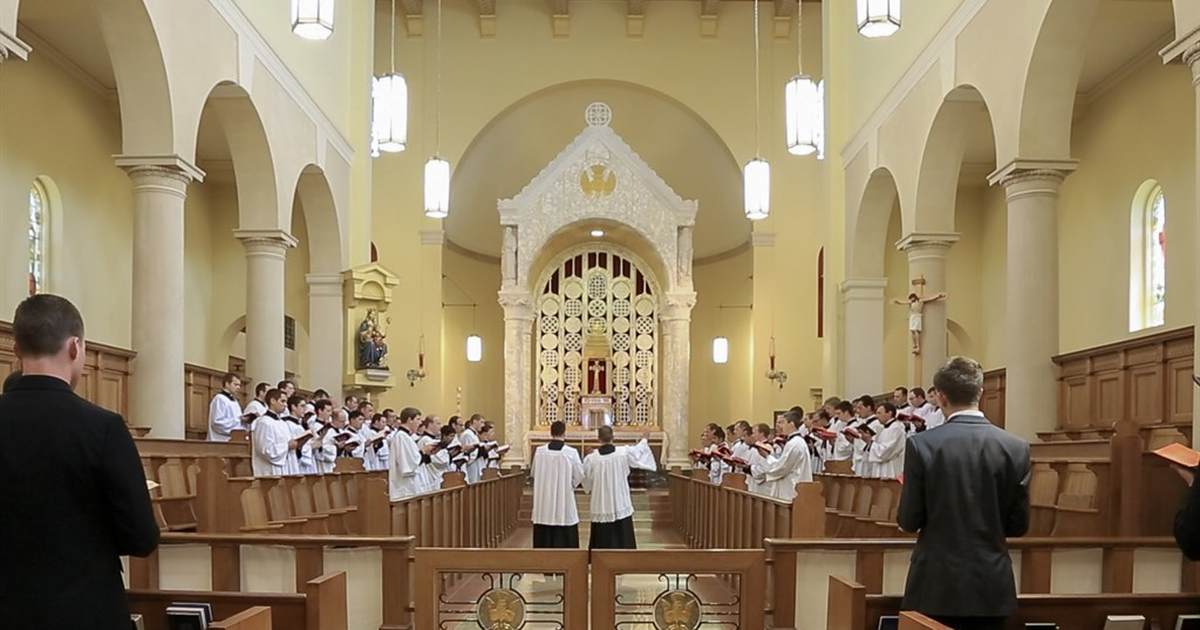
Further encouraging is the papal permission granted for the TLM at St. Peter’s, a concrete sign that the Holy See can honor traditional forms while preserving unity. Opening key places to the ancient rite helps normalize coexistence between novus ordo communities and those attached to older liturgical practice.
Beyond liturgical preference, traditional Catholics often show stronger parish commitment: regular Mass attendance, higher giving of time and treasure, and adherence to Church teaching on core moral questions. That pattern matters when the primary goal of bishops and priests should be the salvation of souls and the healthy life of parishes. Traditional communities have a track record of drawing younger families and sustaining parish life in ways many experiment-driven parishes do not.
No movement is without its fringe elements; there are pockets of antisemitism and sedevacantism among a tiny minority of traditionalists, and those errors must be confronted. Sedevacantists maintain no valid pope since Pope Pius XII, who died in 1958, a position incompatible with Catholic teaching. Still, the vast majority of traditional Catholics simply seek beauty, continuity, and spiritual depth in their worship, and should not be painted with the same brush as extremists.
As Holy Week approaches, restoring wider access to the Latin Mass would be a pastoral act that honors sacramental devotion and invites people back to the pews. For many families and priests, the TLM is not nostalgia but a living tradition that nourishes faith and forms disciples. Giving that tradition room to breathe during the holiest week of the year would be a move toward unity rather than division.