Senate Democrats refused full funding for the Department of Homeland Security as airports across the country faced long lines and growing staff shortages, leaving TSA agents unpaid and travel security strained.
The U.S. Senate voted 59-47, with 16 senators not voting, to take up House Resolution H.R. 7147. That procedural move did not translate into a final, bipartisan funding solution for the Department of Homeland Security. The result left the agency in limbo while travelers dealt with mounting disruptions at airports.
TSA employees have been working without pay since Feb. 14, which marks 35 days of unpaid duty for officers on the front lines of airport screening. Reports indicate that more than 300 TSA workers have resigned since the funding lapse began. Those departures matter because screening relies on experienced personnel who understand threats and procedures.
Only one Senate Democrat, John Fetterman of Pennsylvania, voted to fund the entire Department of Homeland Security. The rest of his party in the Senate declined to support full funding for the agency. That split matters when staffing and security at airports are already fragile, and the political calculus will be watched closely by voters and transportation officials.
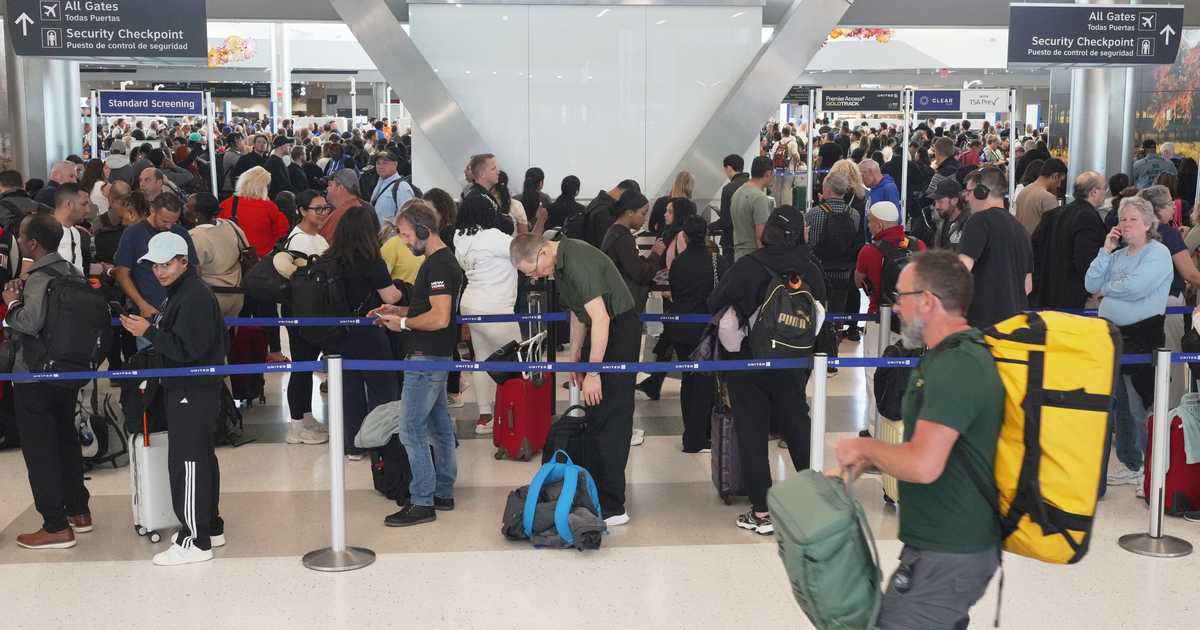
Across major hubs, travelers reported hours-long lines, missed connections, and rising frustration as safety-screening lanes processed fewer passengers. Airlines adjusted schedules and some flights were delayed or canceled in response to the manpower shortfall. The visible strain on terminals underscores how funding decisions translate into real-world consequences for Americans trying to travel.
From a conservative viewpoint, this is a clear tale of misplaced priorities and partisan brinkmanship. When security employees go unpaid, the consequence is not just political theater; it is weaker protection for citizens and visitors alike. Lawmakers who refuse to fund essential departments while the situation deteriorates are shirking a core responsibility of governance.
BREAKING: A procedural vote in the Senate to fund all of DHS (without ICE reforms) has just failed again by a vote of 47-37.
Senator Fetterman (D-PA) was the only Dem to vote yes.
Lots of absences on both sides today.
House left town yesterday. 5 week DHS shutdown continues.
— Bill Melugin (@BillMelugin_) March 20, 2026
Morale among federal security staff has taken a hit, and attrition compounds operational problems. New hires cannot be trained fast enough to replace veteran screeners who leave, and on-the-job learning takes time away from lane throughput. The result is fewer open lanes, slower processing, and greater vulnerability at checkpoints that are supposed to be secure and efficient.
Local airport officials and private carriers are caught in the middle, juggling passenger safety and scheduling pressures without the backup of a fully funded Homeland Security apparatus. The uncertainty also complicates planning for peak travel periods and special events that require predictable, reliable security operations. Communities that depend on steady airport service feel these impacts in real time.
Republican leaders have emphasized that funding DHS is not a political favor but a practical necessity for homeland defense and everyday safety. Critics on the right argue that blocking funding amid an operational emergency is irresponsible and that elected officials should prioritize public safety over partisan point-scoring. That framing is shaping narratives in state capitals and on the campaign trail.
Observers will watch how Senate maneuvering affects recruitment, retention, and the willingness of private-sector partners to tolerate uncertainty at checkpoints and gates. Long-term damage to institutional knowledge and public confidence can outlast any short-lived budget fight. Fixing the staffing shortfall requires stable funding, predictable policy, and attention to the operational realities at thousands of airports nationwide.
As the situation develops, public frustration grows alongside the operational risks, and the political repercussions are likely to follow. The debate over H.R. 7147, the 59-47 vote with 16 not voting, and the singular Democratic yes from John Fetterman will be cited by both sides as evidence for their positions. Accountability and clarity from leaders on how to restore normal operations will be demanded by travelers and federal employees alike.
Editor’s Note: Do you enjoy Townhall’s conservative reporting that takes on the radical Left and woke media? Support our work so that we can continue to bring you the truth.
Join Townhall VIP and use promo code FIGHT to receive 60% off your membership.