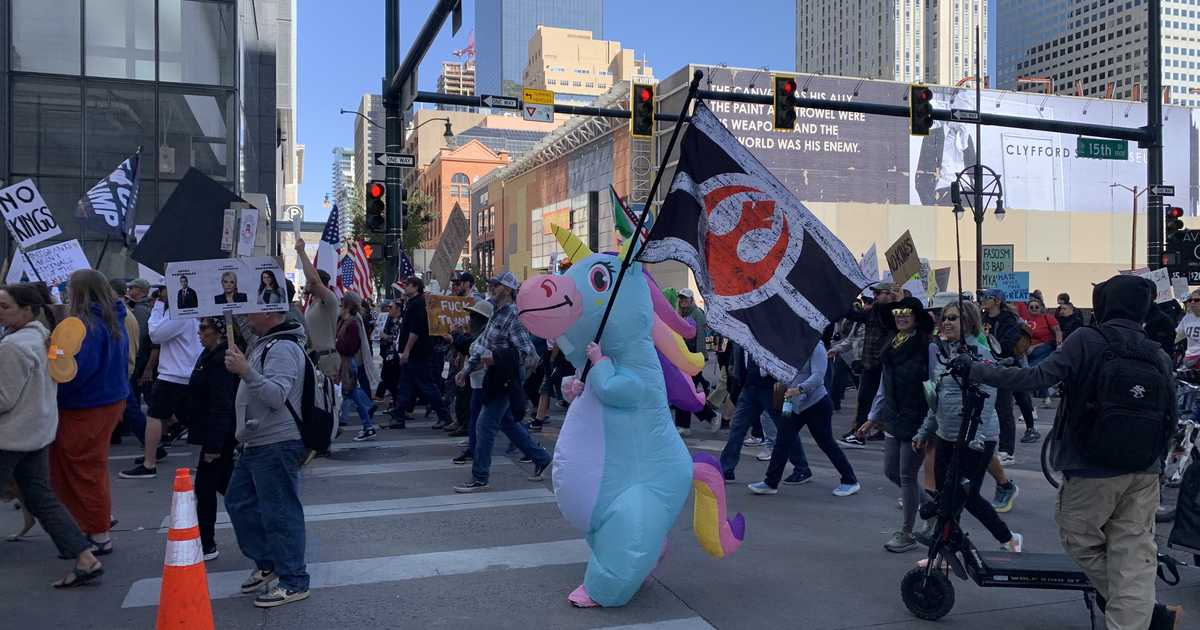
No Kings Day rolled around again, and the same stale theatrics showed up in full force. This account walks through the costumes, the crowd, and the visual chaos, noting who showed up and what it all looked like. The scene reinforced how little the organizers have changed their playbook even as the rest of the country moves on.
No Kings Day returned in 2026 with the same predictable acts and a familiar fashion sense: protest costumes, oversized signs, and the same recycled slogans. The crowd leaned older, and much of the performance felt like an echo of last year. Watching it felt less like a serious political moment and more like a dated community theater.
The demographics told the story. Young people were scarce, while retirees and long-time activists filled the front lines. That gap matters because it shows the movement’s message didn’t land with new voters. When a protest’s energy comes mostly from seniors, it reads like nostalgia, not momentum.
No Kings Protestors in Nashville pic.twitter.com/TF06qOGGod
— Mostly Peaceful Memes (@MostlyPeaceful) March 28, 2026
The visuals were loud and deliberately theatrical, with costumes meant to shock but that mostly just looked tired. You could see the same Handmaid-style setups and dramatic poses that got clicks last year, but the shock factor is fading. Once the costumes stop creating headlines, the underlying talking points have to stand on their own, and those talking points were thin.
Signs and chants covered familiar ground: anti-leadership slogans, calls for accountability, and broad-brush denunciations of opposing politicians. There was more theater than detail, more slogans than policy. That style is great for social media snapshots but not persuasive when voters ask for specifics.
From a practical politics angle, these repeat performances risk reinforcing negative perceptions rather than building credibility. For many observers the whole thing reads as performative grievance rather than a strategy for winning undecided voters. If the goal is to change minds, a costume parade is a poor substitute for a plan.
There’s also a messaging problem. When protests become primarily theatrical, critics on the other side get an easy headline: the opposition looks out of touch. That’s a dangerous pattern in a tight political landscape, where optics drive narratives. The people watching these marches on their phones are not seeing policy debates—they’re seeing spectacle.
Still, the event was instructive in its awkward sincerity. You could almost admire the dedication: people assembled, chanted, and stayed put for hours. But dedication without fresh ideas is just repetition, and repetition breeds ridicule more than respect. Political movements need renewal; showbiz stunts won’t carry a platform into the next election cycle.
For those of us watching, it’s a strangely entertaining display—equal parts theater and cautionary tale. These protests are a reminder that the left keeps circling the same plays and expecting a different result. Until organizers update their approach and broaden their appeal, moments like this will feel increasingly out of step with mainstream voters.