Senate GOP plans a forced vote on the SAVE America Act to lay bare where Democrats and wavering senators stand on voter ID and election integrity.
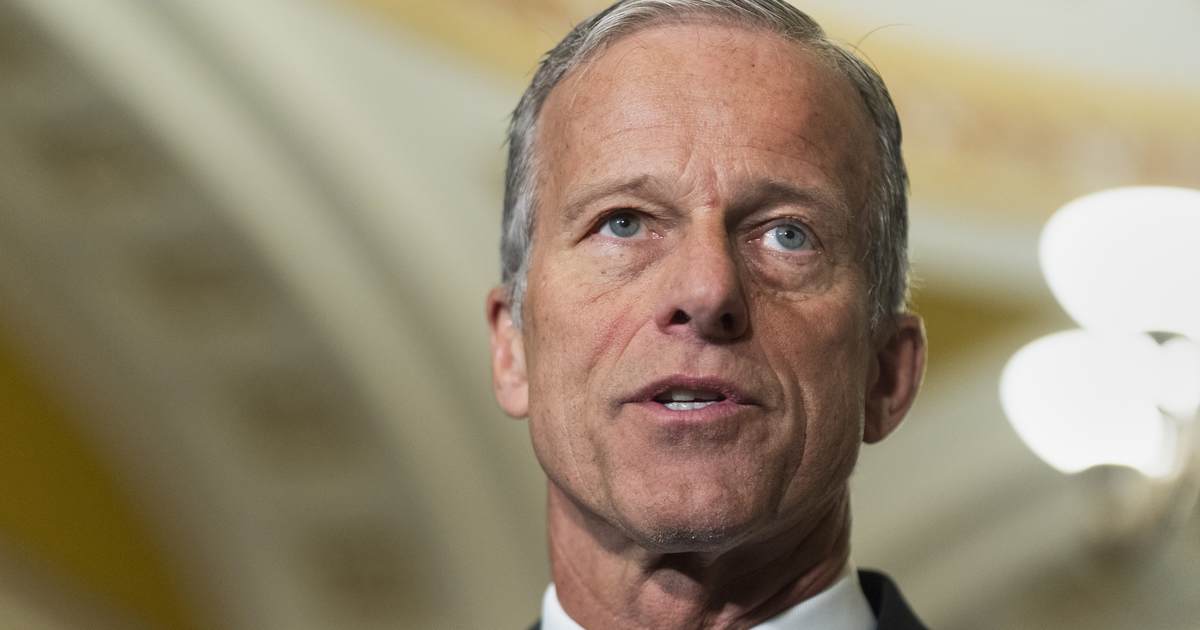
Senate Majority Leader John Thune says he will bring the SAVE America Act to the Senate floor even though he admits he does not have the votes to pass it under current rules. He will pursue a forced vote but accept a 60-vote threshold rather than trying to clear a talking filibuster. That move is designed to create a public record and force members of both parties to declare their position on voter ID and related election measures.
Thune frames the vote as a simple test of principle. He said he wants to show “whether or not they think that non-citizens should vote in American elections.” The comment underlines the GOP argument that election rules must protect citizenship and secure ballots.
🚨 BREAKING: John Thune announced the SAVE America Act will be brought to the Senate floor for a vote NEXT WEEK
This is NOTHING MORE than a show tactic, because we DON’T HAVE 60 votes
DO NOT FALL FOR IT
We need to know EXACTLY WHO is REFUSING to enforce the talking filibuster… pic.twitter.com/85xvbGCFb9
— Nick Sortor (@nicksortor) March 10, 2026
Thune has acknowledged internal resistance within his own party, noting that holdouts have blocked passage by insisting Democrats debate the measure under a talking filibuster. President Trump revealed that 4 to 5 Republican senators are unwilling to back the bill, which complicates the path to the 60 votes Thune is now targeting. That math is central to the strategy and the messaging: make the choice public and make Democrats respond.
At a recent press event Thune put the stakes plainly: “I think it’s important that everybody understand that this really is about—this is about the votes, it’s about the math,” he said. That line captures the GOP approach—use floor mechanics to force clarity on where senators stand and convert public support for voter ID into a visible record. Republicans see a political advantage in spotlighting the divide between proponents of election security and those who resist stricter ID rules.
The plan also reflects Republican frustration that procedural hurdles and internal divisions have stalled agenda items voters care about. Multiple polls have shown voter ID enjoys broad popularity, even among some left-leaning constituencies, so the GOP believes a forced vote will put pressure on Democrats to explain their opposition. The aim is not just policy wins but persuasion: highlight the contrast and push the narrative that protecting ballots is commonsense.
Not everyone on the right is happy with this tactic. Some America First-aligned figures have criticized the move, calling the forced vote “useless” and warning that failure to pass the SAVE Act would be a “humiliating failure.” Those critics argue a symbolic vote that cannot clear 60 may hand Democrats a political win and undercut momentum for tougher measures later.
Republican leaders counter that a recorded vote has leverage even if the bill stalls. They argue voters deserve to hear where senators stand and that a clear record creates accountability in future campaigns. For a party that sees election integrity as a baseline issue, that transparency matters politically and substantively.
The tactical debate comes as the GOP balances show-vote strategies against the risk of embarrassment when policy can’t clear the Senate’s supermajority bar. Supporters say the forced vote is a way to force contrast, while detractors warn it could expose fractures at the worst possible moment. Either way, the push brings voter ID and election safeguards back to the center of the Senate calendar and the national conversation.
Editor’s Note: The Democrats are doing everything in their power to undermine the integrity of our elections.