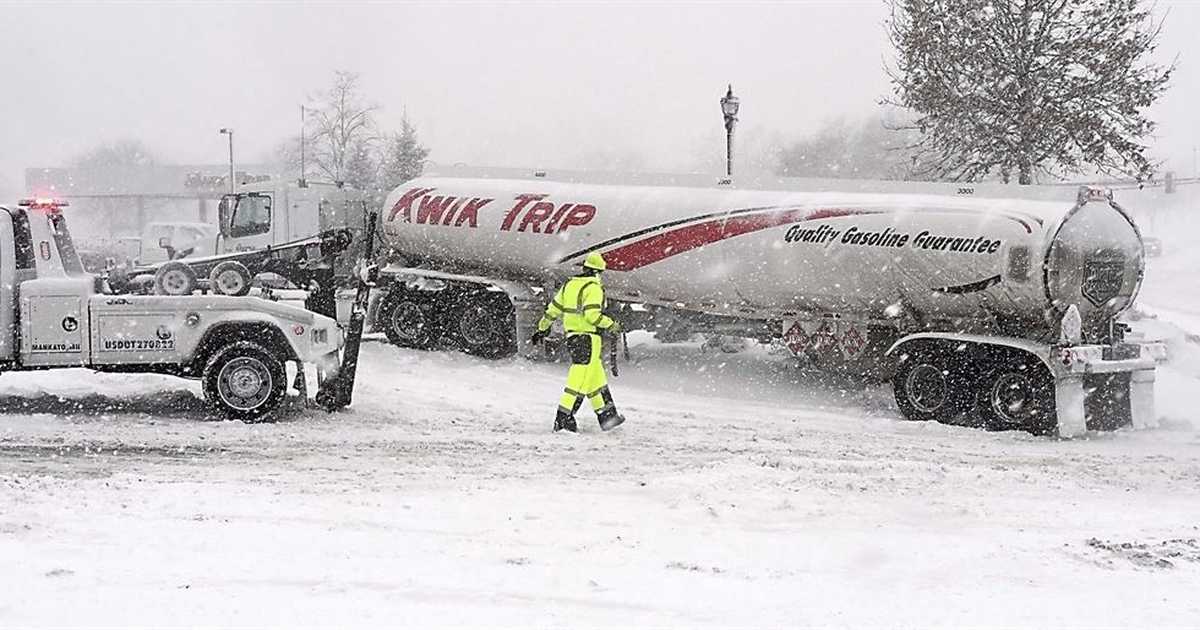
The Trump administration has moved to revoke roughly 200,000 commercial driver’s licenses issued to noncitizen drivers, citing a string of deadly crashes in 2025 and 2026 and a need to restore basic public-safety standards on the nation’s roads.
The administration announced a plan to terminate those commercial driver’s licenses for foreign drivers, framing the step as a safety-focused response to high-profile, fatal incidents. Officials pointed to multiple crashes involving illegal immigrant truck drivers that drew national attention across 2025 and 2026. The move is being presented as an effort to tighten standards and ensure that commercial operators meet clear eligibility requirements.
Conservative lawmakers and activists pushed for tougher rules at the state and federal level, arguing that licensing should reflect both legal status and competency. Florida moved first with a rule demanding that anyone who used a third-party service for initial testing must retake their written test in English. Supporters say that ensures clarity and accountability for commercial drivers who operate across state lines.
🚨 BREAKING: The Trump admin has begun CANCELLING 200,000 commercial driver licenses for foreign truck drivers
MANY American lives will be saved by this move!
Asylum seekers, refugees, and other foreigners are now BARRED from receiving CDLs.
Finally! pic.twitter.com/rsryA3STmm
— Nick Sortor (@nicksortor) March 16, 2026
President Trump also called on Congress to act, urging lawmakers at the 2026 State of the Union to adopt “Delilah’s Law” to make these restrictions statutory rather than administrative. The president framed the proposal as closing loopholes that allow illegal immigration to undercut road safety and the livelihoods of lawful American drivers. For Republicans, translating the policy into law is a way to lock in standards that protect both communities and commerce.
Republican campaigns have used these developments to highlight differences with Democratic governors and officials who they say prioritized permissive licensing policies. One example frequently noted is former North Carolina governor Roy Cooper, who during his tenure issued a large share of non-domiciled commercial licenses to drivers without lawful status, with 54 percent of such licenses falling into that category. Critics argue those choices put politics ahead of public safety and tilted the rules in favor of permissive policies rather than enforcement.
The policy fight is also a messaging battle heading into the midterm elections, where Republicans plan to stress border security and public-safety reforms as contrast points. Promoting stricter licensing rules plays to core voter concerns about illegal immigration, infrastructure safety, and fairness for American workers who compete with those operating under different legal rules. As Democrats push back, the Republican side insists these measures are common-sense fixes, not punitive overreach.
Legal challenges and administrative appeals are likely, and the rollout will test how quickly state and federal agencies can implement revocations without disrupting freight flows. Industry groups and some trucking companies are watching closely, weighing safety demands against concerns about labor shortages and supply-chain friction. Still, Republican leaders argue that enforcing eligibility and competency standards must come before convenience or softness on immigration issues.
Public reaction is split, with supporters applauding enforcement and critics warning of potential economic consequences and due-process questions for drivers who could lose credentials. Republicans frame the policy as a narrow, targeted step to protect Americans on the road and to restore trust in licensing processes after years of lax practices. The coming weeks should clarify how many licenses will actually be rescinded and what legal or legislative fixes might follow.