President Trump publicly criticized Tucker Carlson, defended Operation Epic Fury as an America First move, and pushed back on claims that Israel drove U.S. policy in the Middle East.
President Trump has taken aim at Tucker Carlson and at commentators who argue Operation Epic Fury is not in America’s interest or that Israel steered U.S. policy. He framed the disagreement as a fight over what MAGA stands for, and he made his view clear in public remarks carried by major outlets. The clash highlights a broader split on the right over foreign policy and the direction of the movement.
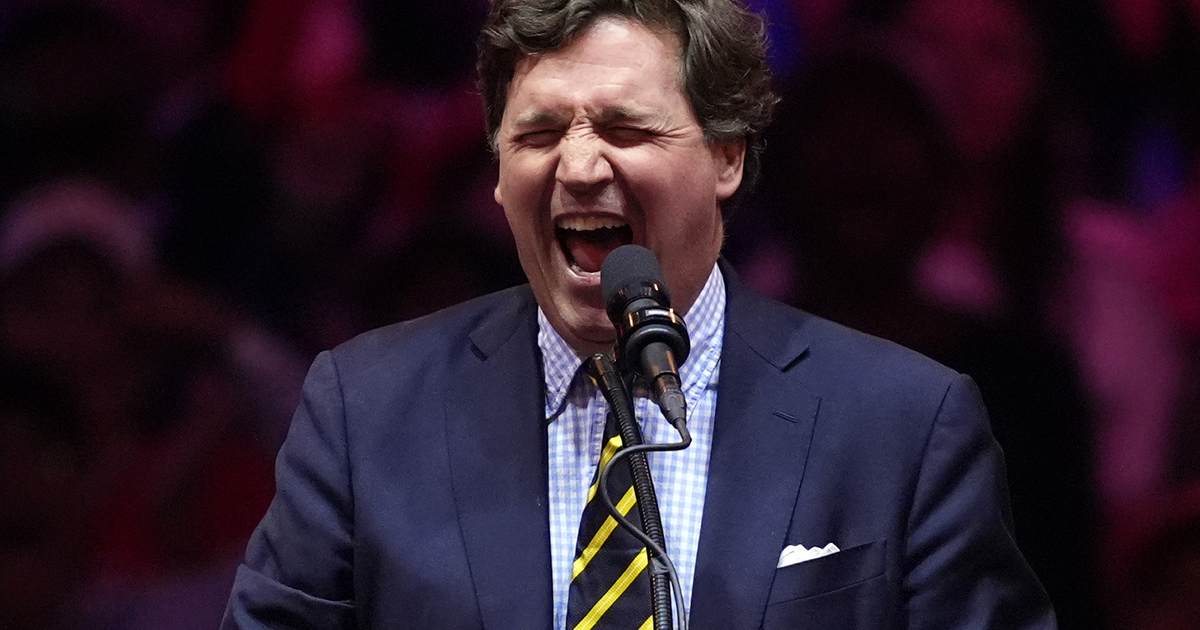
“Tucker has lost his way,” Trump said, according to Jonathan Karl, ABC News’ Chief Washington Correspondent. “I knew that a long time ago, and he’s not MAGA. MAGA is saving our country. MAGA is making our country great again. MAGA is America first, and Tucker is none of those things. And Tucker is really not smart enough to understand that.”
Since leaving mainstream cable, Carlson has leaned into a set of theories and narratives that often stray from conservative orthodoxy. He now explores lines of argument that complicate straightforward policy debates rather than clarifying them, and that shift the focus away from conservative priorities. That pivot has left some longtime allies uncomfortable and others openly critical.
In a lengthy conversation just now, President Trump hit back at Tucker Carlson who called the Iran war “absolutely disgusting and evil.”
"Tucker has lost his way,” Trump told me. “I knew that a long time ago, and he's not MAGA. MAGA is saving our country. MAGA is making our…
— Jonathan Karl (@jonkarl) March 5, 2026
Carlson’s critics say his recent output too often substitutes spectacle for substance, frequently tying together disparate claims in ways that raise more questions than answers. He has used his platform to promote ideas that critics view as benefiting foreign interests or those who bankroll his ventures. The result has been a reputation among some conservatives as someone chasing controversy rather than building a coherent policy case.
On foreign policy, Carlson has taken aim at Israel and at U.S. involvement overseas in ways that depart from the prevailing MAGA instincts on national strength and strategic deterrence. He frames much of his critique around the moral cost of conflict, arguing that any U.S. action that risks lives should be rejected. That stance resonates with an isolationist strain in the movement, but it clashes with arguments that timely, forceful action can prevent larger disasters later.
Those who back the administration’s approach view Operation Epic Fury as a measured, strategic response rather than a reflexive intervention. They reject the notion that the operation was carried out at Israel’s urging, insisting the move stems from long-term U.S. concerns about Iran’s regional behavior. For decades, Tehran has funded proxies, destabilized neighbors, and sponsored rhetoric and actions hostile to American interests.
From the administration’s standpoint, the choice to confront Iran was unavoidable after years of malign activity that threatened regional stability and American partners. Supporters argue the operation is designed to weaken an adversary that has long sought regional dominance, not to empower outside actors. The objective, they say, is to shift the balance in the Middle East toward nations aligned with U.S. interests.
If the operation works as intended, the payoff could be significant: a Middle East less inclined toward adversaries like China, greater energy security, and stronger ties with regional partners. The administration frames those outcomes as part of an America First agenda, where U.S. strategic interests and economic stability get priority. That logic is central to the argument that this policy is squarely within MAGA principles.
Carlson’s more recent claims—ranging from sensational assertions about domestic files to broad-brush statements about religious treatment in the region—have drawn skepticism. Observers say many of these claims fail under basic scrutiny and often ignore local and historical nuance. That pattern has widened the gap between his style of commentary and the policy-focused arguments being made by the White House.
The debate is now a matter of public record and public consequence: one faction warns against foreign entanglements while another presses for decisive action to neutralize long-term threats. That tension will likely shape conversations within conservative media and among voters who care about both national security and American sovereignty. For now, the administration’s message is clear and unapologetic.
Operation Epic Fury is the definition of America First.