A senior Trump negotiator revealed Iran openly admitted to holding fissile material enough for roughly a dozen bombs, a confession that shaped U.S. bargaining and helped justify decisive action to neutralize the threat.
We all saw the Iran nuclear deal under Obama for what it was: an attempt to paper over a growing danger. You cannot negotiate in good faith with a regime that sponsors terror and hides its true capabilities. That failure laid the groundwork for the tougher stance the current administration has taken.
In recent weeks U.S. negotiators tried to reopen talks, even offering concessions like domestic nuclear fuel arrangements to keep Iran’s program transparent, but Tehran rebuffed those overtures. Our top Middle East negotiator, Steve Witkoff, delivered a blunt report: Iranian officials openly claimed enough material to make nearly a dozen weapons. That admission changed the table and removed any illusion that diplomacy under the old rules would contain the threat.
Let me say this, because I forgot this small little detail.
Steve Witkoff:
Let me say this, because I forgot this small little detail.
In that first meeting, both the Iranian negotiators said to us directly, with no shame, that they controlled 460 kilograms of 60% and they're aware that that could make 11 nuclear bombs, and that was the… pic.twitter.com/cT9VAfv8PD
— Clash Report (@clashreport) March 3, 2026
In that first meeting, both the Iranian negotiators said to us directly, with no shame, that they controlled 460 kilograms of 60% and they’re aware that that could make 11 nuclear bombs, and that was the beginning of their negotiating stance. So that’s – they were proud of it.
They were proud that they had evaded all sorts of oversight protocols to get to a place where they could deliver 11 nuclear bombs.
When a hostile regime states it has enough fissile material for multiple bombs, it changes the calculus immediately. The negotiator’s account shows Iran wasn’t bargaining from weakness — it was bargaining from a position of strength built on secrecy and cheating. That posture demanded a response that actually reduced the risk to Americans and our allies.
All diplomacy is conditional on reality, and reality in this case was Iran’s open boast about 460 kilograms of 60 percent-enriched material. That detail is not academic: 60 percent material sits close to weapons-grade, and numbers like those matter in planning. Once negotiators acknowledged the scale of Tehran’s holdings, the pretense that a revised agreement alone would halt weaponization collapsed.
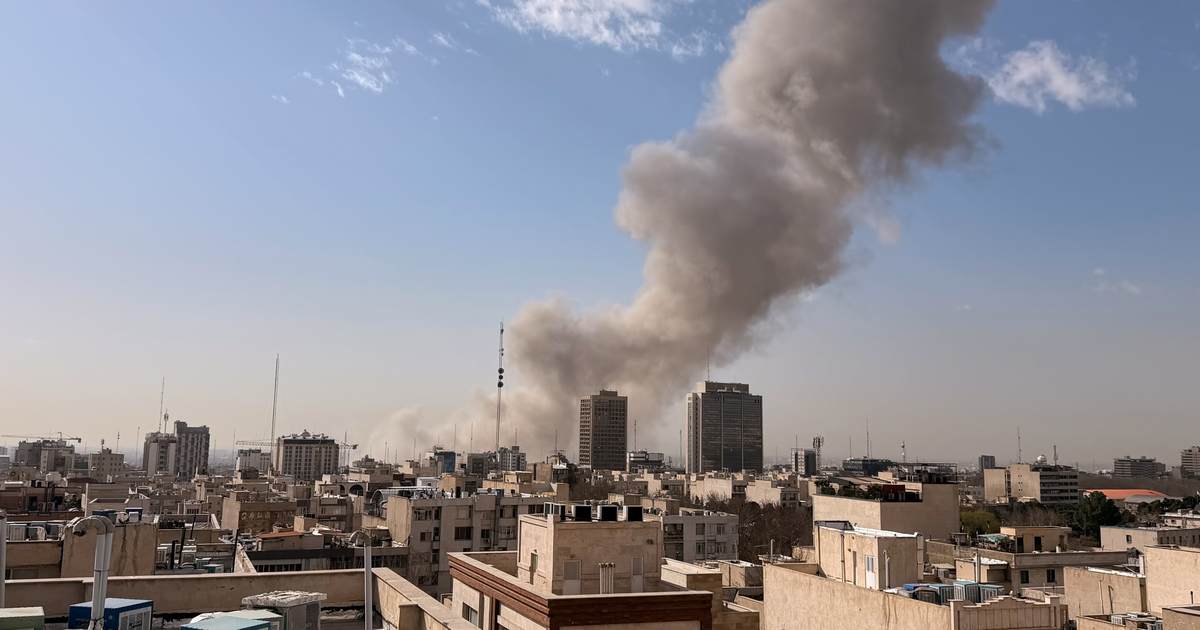
Operation Epic Fury is the direct outgrowth of that reality. Past presidencies talked tough but backed away from the hard choices; this administration moved to dismantle the concrete threat. That decision wasn’t theater — it was a tactical move to disrupt a program that had outpaced oversight and exploited diplomatic loopholes for years.
Critics will call for more meetings and more paper promises, but the record shows Iran repeatedly used talks to buy time. Re-engagement under the old rules simply rewarded deception. A strategy that combines firm diplomacy with credible force is the only language Tehran respects.
On the ground, degrading an adversary’s capacity matters more than making headlines about negotiations. The negotiator’s account underlines why oversight mechanisms and real verification are nonnegotiable. Without them, any agreement is just a pause that lets Tehran restart its program with little accountability.
This episode should reset how policy is framed: security-first, leverage-based, and ready to act when intelligence confirms a clear and present danger. Lawmakers and the public deserve straight talk about the risks and the tools used to counter them. Spin and wishful thinking do not keep Americans safe.
The takeaway is simple and direct: when an adversary openly claims enough material for 11 bombs, diplomacy without consequences is a recipe for disaster. The Trump administration chose to remove that capability rather than pretend it had been solved by another weak deal. That hard choice reflects a return to clarity in national security priorities.