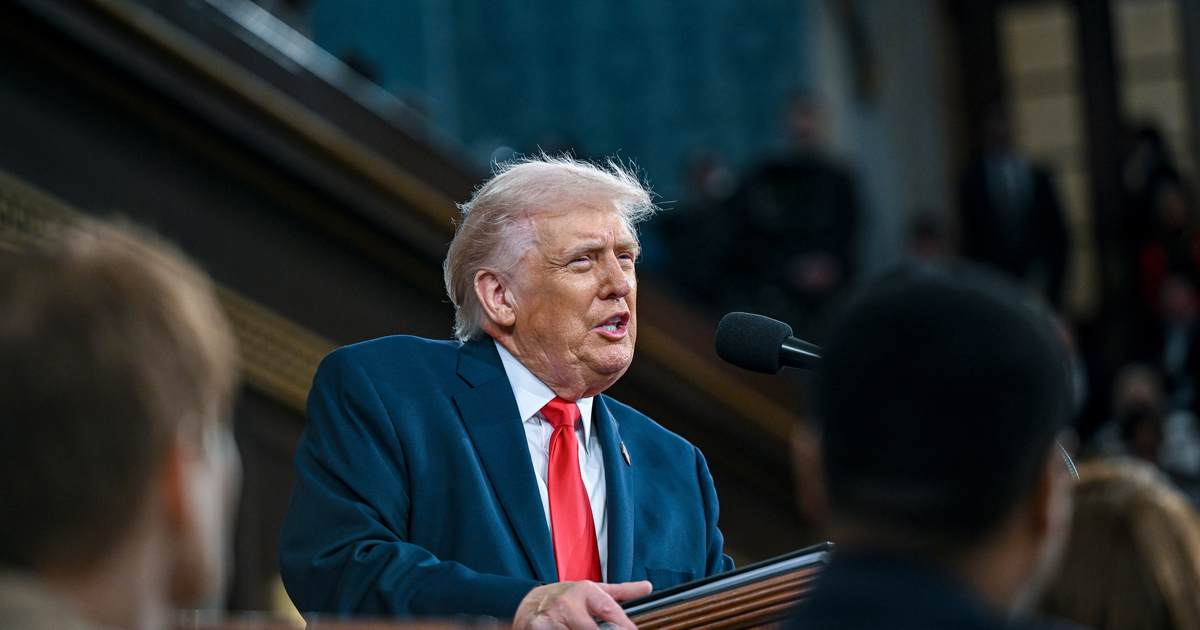
President Trump signed an executive order aimed at tightening mail‑in voting rules, directing federal agencies to build a verified voter database, and pressing states to follow stricter ballot controls ahead of the 2026 midterm elections.
President Donald Trump signed an executive order that pushes states to impose stricter limits on mail‑in ballots ahead of the 2026 midterm elections and directs the administration to assemble a verified list of eligible voters. The move pairs administrative action with clear consequences for states that decline to cooperate. Supporters call it a blunt instrument to shore up confidence in election results, while critics warn of federal overreach.
The order assigns the Department of Homeland Security the job of creating a national database of citizens confirmed to be eligible to vote, drawing on Social Security Administration data and other records. The plan is to give election officials a cleaner starting point and reduce duplicate or invalid mailings. At its core the policy treats eligibility verification as a basic administrative task, not a political stunt.
In the 2024 general election––47 million mail ballots were successfully returned, tabulated, and counted as votes.
Trump's executive order just changed the game.
Thank you Mr. President@realDonaldTrump pic.twitter.com/JQOp9vU2cl— Shiloh Marx (@Shilohmarx) March 31, 2026
Under the directive, the U.S. Postal Service would be instructed to send absentee ballots only to those listed in the new database, and to limit each ballot to a single envelope per voter. That one‑envelope detail aims to simplify chain‑of‑custody and curb practices that can cloud ballot handling. The administration frames this as commonsense housekeeping to stop waste and confusion at scale.
The order also uses funding as leverage: states that refuse to fall in line risk losing federal dollars. That conditional funding approach has long been part of federal policy tools, and here it is applied to election administration. Expect legal fights over whether the federal government can mandate state procedures through budget pressure.
Officials point to stalled legislation in the Senate as the backdrop for the executive action, noting that the SAVE America Act has not moved forward and that Congress left a gap. With the bill on ice, the White House argues the executive branch needed to act to protect the integrity of upcoming contests. This approach keeps the policy on the front burner and forces a public debate about safeguards versus state control.
Republican voices back the order as pragmatic and forceful, saying it addresses the vulnerabilities exposed by unfettered absentee systems. They argue that verifying eligibility and reducing unnecessary mailings will cut down on fraud opportunities and strengthen public trust. Critics counter that the administration is centralizing power in ways that could be abused, but supporters insist the risk of chaos at the ballot box is the bigger problem right now.
There are technical questions to solve: how to match SSA records reliably, how to handle citizens who move, and how to protect privacy while assembling a federal database. Election offices will need clear rules for appeals and corrections so eligible voters are not disenfranchised by mistakes. The promise of cleaner rolls depends on careful implementation, not just headlines.
Operationally, the USPS role raises logistical hurdles, too, from printing to delivery timing and signature verification. Changing longstanding state practices in short order will strain local administrators and volunteers who run elections. Still, proponents say a coordinated federal approach will ultimately reduce confusion and speed up accurate results.
The politics are unavoidable: this order will land squarely in courts and across campaign trail talking points. For Republicans, the action is a necessary defense of election integrity in a moment when confidence in outcomes matters. For Democrats and civil liberties groups, it will look like an expansion of federal reach into state processes they argue should remain local.
Editor’s Note: Do you enjoy Townhall’s conservative reporting that takes on the radical Left and woke media? Support our work so that we can continue to bring you the truth.
Join Townhall VIP and use promo code FIGHT to receive 60% off your membership.