President Trump warned Iran that “death, fire, and fury will reign upon” the regime if it interferes with oil shipments through the Strait of Hormuz, stressing swift, overwhelming U.S. force and framing the confrontation as a test of deterrence, regional stability, and American resolve.
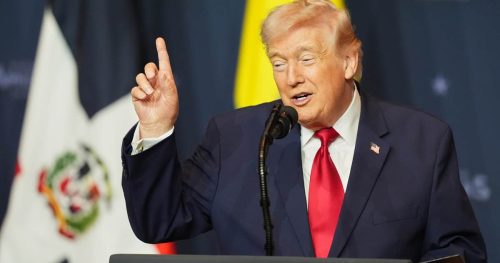
President Donald Trump issued a hardline warning to Tehran, saying that any interference with oil transportation through the Strait of Hormuz would trigger a severe U.S. response. He used the phrase “death, fire, and fury will reign upon” the Persian state to underline the seriousness of the threat. The Strait of Hormuz remains a strategic chokepoint, and the statement is meant to deter escalation while signaling protection of global energy routes.
In a follow-up post on Truth Social, Trump wrote that American forces would hit Iran “twenty times harder” and vowed to “make it virtually impossible for Iran to ever be built back,” language intended to communicate absolute deterrence. That rhetoric is blunt and unapologetic, reflecting a Republican view that decisive strength keeps conflicts short and prevents broader war. Iranian hardliners, particularly the IRGC, still seem to think that they are in the driver’s seat, claiming they will dictate the conflict’s timeline, but the reality of U.S. firepower shifts that calculus.
— Pete Hegseth (@PeteHegseth) March 10, 2026
Iran responded with an announcement about offering free passage through the Strait to nations that expel American and Israeli diplomats, a posture that mixes coercion with diplomatic posturing. Tehran’s messaging appears designed to rally regional partners and create leverage against Western influence, while testing how far it can push without provoking a kinetic response. That kind of brinkmanship is familiar and dangerous, especially when it targets energy chokepoints that affect global markets.
Markets reacted immediately: oil futures slipped after an earlier climb over the weekend, reflecting traders’ sensitivity to supply risks and political signals. Trump also told reporters he believes the U.S.-Israeli coalition was nearing an end to Operation Epic Fury, and he said the United States is well ahead of its 4 to 5 week schedule to decimate the Iranian regime. Those timing claims are meant to reassure allies and stress that military plans have momentum and clear objectives.
From a Republican perspective, the tough language serves two purposes: it deters hostile action and it clarifies consequences so adversaries can make rational choices. The strategy prioritizes crippling the enemy’s ability to strike commercial shipping or carry out asymmetric attacks while minimizing a prolonged occupation or open-ended nation building. That approach is sold as the pragmatic use of overwhelming force to secure American interests quickly.
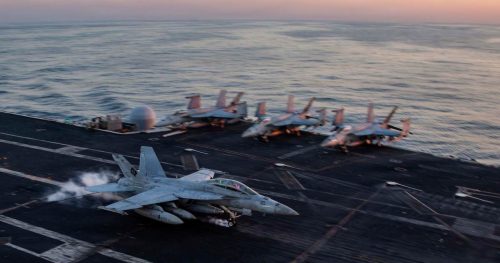
Operationally, commanders face the challenge of protecting shipping lanes without letting skirmishes balloon into wider conflict, and the clear public messaging aims to narrow that window. U.S. forces remain positioned to respond rapidly, and public threats like Trump’s are part of the toolkit to make any Iranian miscalculation more costly. The goal is to raise the price of aggression so that restraint becomes the safer, rational choice for Tehran.
Diplomats and defense planners will keep watching ship movements, communications from the IRGC, and any deliberate attempts to block or harass tankers in the Strait. Allies in the region are anxious about disruptions to energy flows and the economic ripple effects of a real supply shock. For now, markets and military movements are the real-time indicators as both sides posture and prepare for what comes next.
Operation Epic Fury entered its 10th day on Monday, a marker that the campaign has moved beyond initial strikes into sustained operations and messaging. That stage brings heightened scrutiny of tactical decisions and rules of engagement as commanders balance mission success with limiting civilian harm and wider escalation. The coming days will show whether the tough rhetoric leads to de-escalation or further confrontation on the water and in regional politics.