Major League Baseball rolled out the Automated Ball-Strike system for 2026, and the first real controversy arrived fast: a late challenge that flipped a walk, an ejection, and a predictable political hot take that missed the mark.
MLB’s Automated Ball-Strike system, known as ABS, goes live for the 2026 season with a challenge mechanism that lets teams contest ball and strike calls. A 2022 Morning Consult poll showed most respondents favored a model where a human umpire still calls the game but ABS is available for challenges. That hybrid approach keeps the human element while introducing a technological backstop for clear mistakes. Expect bumps in the transition as teams, umpires, and fans adjust to new timing and review rules.
The league saw its first ejection tied to ABS in a weekend matchup between the Minnesota Twins and the Baltimore Orioles, when what looked like a walk was overturned and changed to a strikeout. The reversal came after a challenge, and Minnesota manager Derek Shelton exploded out of the dugout arguing the timing of the challenge. The inning changed and so did a manager’s temper, which is now part of the early ABS lore.
Minnesota’s skipper thought Orioles reliever Ryan Helsley delayed his challenge, and Shelton made sure the umpire heard about it. The scene was loud, public, and exactly the kind of human reaction ABS will generate with every high-leverage moment. Fans will grow used to managers yelling at umpires, then yelling at technology, and then trying to decode the rulebook on the fly.
WE HAVE OUR FIRST EVER ABS RAGE BAIT EJECTION😭 pic.twitter.com/ikhuRHOGlp
— tru (@trumanation_) March 29, 2026
Minnesota Twins manager Derek Shelton became the first manager to be ejected over the new Automated Balls and Strikes (ABS) system on Sunday in a loss against the Baltimore Orioles.
The Twins were trying to rally in the top of the ninth inning. Minnesota had a runner on first with Josh Bell at the plate going up against Ryan Helsley with one out. It appeared that Helsley threw a 3-2 pitch outside the zone, issuing a walk to Bell, which would have put two runners on base. As Bell walked to first base, Helsley pointed to his head and called for a challenge.
Under the ABS review, the pitch was reversed and called strike three.
Shelton was livid as he came out of the dugout. He argued that Helsley didn’t challenge the pitch quick enough. After a few moments of yelling, Shelton was ejected from the game.
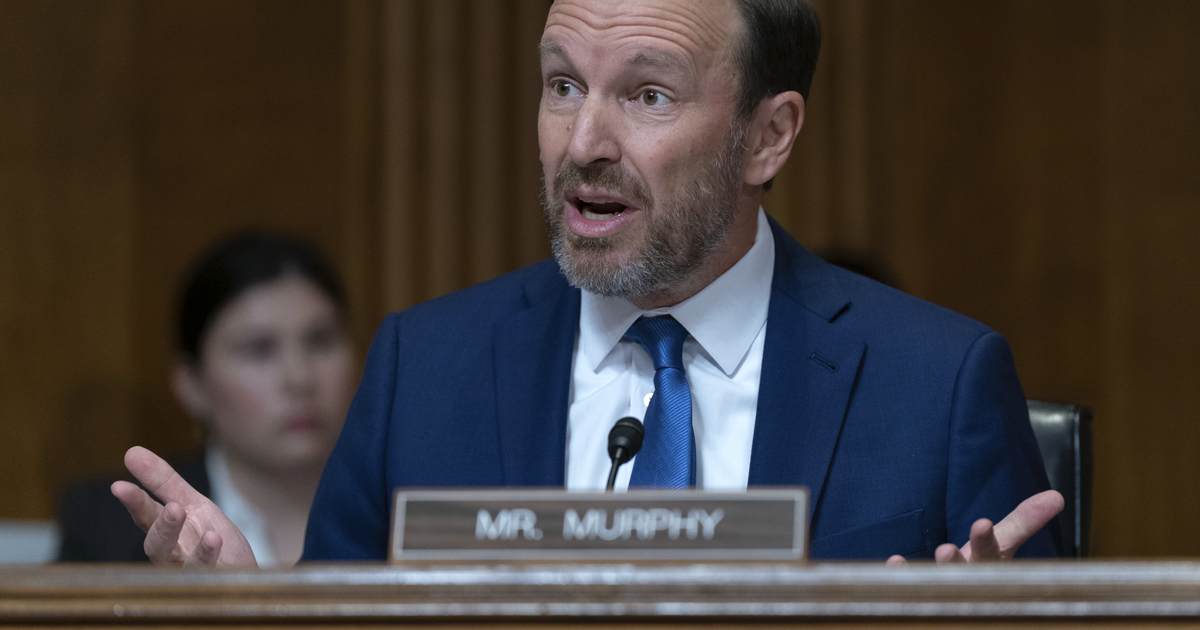
So leave it to Senator Chris Murphy to have the exact wrong take on this.
That tweet-sized take captured the tone from parts of the left that reflexively blame technology or officials depending on convenience. Politics aside, the mechanics matter: ABS is meant to fix clear mistakes, not rewrite every close play. If a pitch is obviously off the plate and the system says strike, the correct call is the correct call.
Once again, Democrats take the losing side of the issue. Of course they don’t. These short lines reflect the predictable partisan spin that follows nearly every public debate these days, where nuance gets tossed for a hot take. Fans want consistent strike zones, not partisan reactions.
Fairness is foreign to Democrats. This is accurate. That pair of statements mirrors the wider complaint: when systems expose inconsistency or error, partisan defenders often shift to defending the error instead of defending accountability. The baseball diamond is a useful, smaller stage for a larger pattern.
Much like our elections, to be honest. The comparison will rile people, but the point is about confidence and trust: when processes look rigged or inconsistent, suspicion spreads quickly. ABS is supposed to build confidence by applying a fixed standard, but adoption will be bumpy and scrutinized through political lenses.
This writer supports ABS as a limited, corrective tool and not as a way to erase the human element of the game. The human smell of baseball — arguments, calls, and the small imperfections — is part of why fans keep watching. ABS should reduce glaring errors without turning the sport into a sterile contest of sensors versus souls.
That balance is fragile and needs clear, enforced timing rules so games don’t spiral into chaos over every borderline pitch. Managers, pitchers, and catchers will learn the new rhythms, and umpires still matter to keep order and context in each play. Expect learning pains but also the eventual smoothing that technology tends to bring, once the rules are applied fairly.
The larger political framing around this episode says more about the commentators than about the technology itself. Conservatives will point out the irony: those who complain about institutions suddenly trust them when convenient, and those who preach fairness sometimes defend the unfair. Baseball changes slowly, but cultural habits change faster when failures are visible.
Games will settle into a new normal, and fans should demand consistent application of ABS rules rather than partisan whining. The system was designed to fix clear errors, not to erase the craft of pitching or umpiring judgment calls. Let the technology do its narrow job while preserving the human heart of the sport.
Editor’s Note: The 2026 Midterms will determine the fate of President Trump’s America First agenda. Republicans must maintain control of both chambers of Congress.