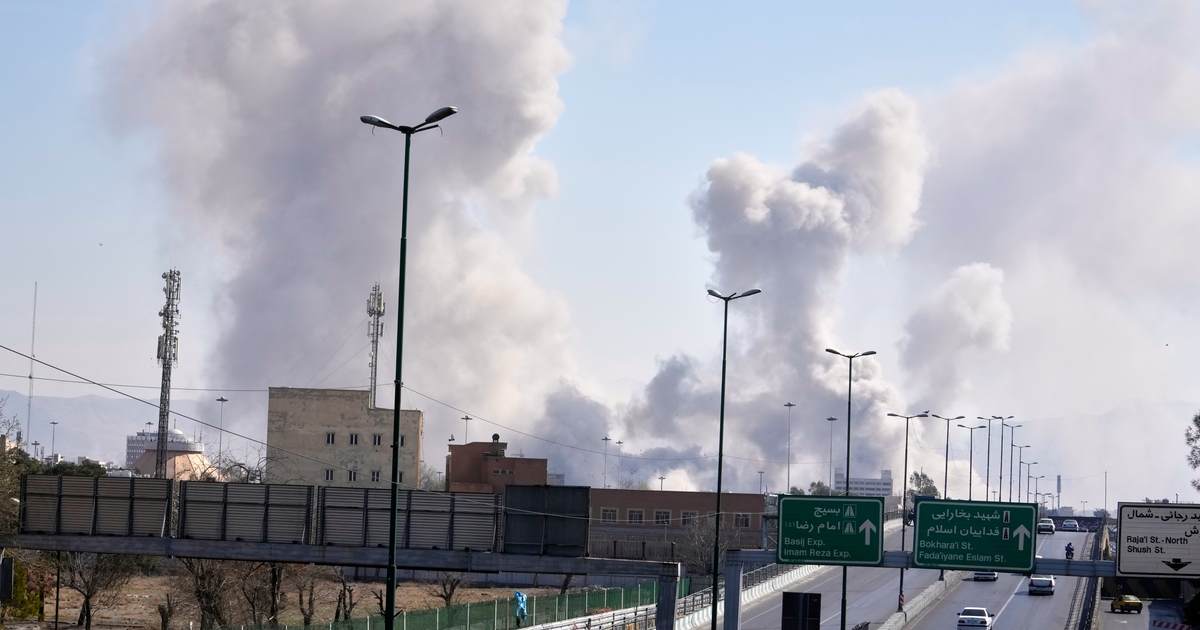
Reuters ran a story saying Iran’s regime is intact after sustained U.S. and Israeli strikes; this piece pushes back hard, arguing the reporting relies on anonymous, unreliable sources and ignores the battlefield reality after massive strikes, leadership losses, and chaos in Tehran.
Reuters claims U.S. intelligence sees Iran’s leadership “not at risk of collapse,” but that narrative feels detached from what we know on the ground. After 5,500 strikes, the decimation of their air force, the total obliteration of their navy, and the annihilation of their core political and military leadership, insisting Tehran is unchanged looks more like wishful thinking than sober analysis. Reporters leaning on anonymous, unnamed officials have been wrong before, and that history matters when lives and national strategy are at stake.
U.S. intelligence indicates that Iran’s leadership is still largely intact and is not at risk of collapse any time soon after nearly two weeks of relentless U.S. and Israeli bombardment, according to three sources familiar with the matter.
The recent intel reports also cast doubt on the ability of the Iranian Kurdish groups to sustain a fight against Iranian security services, according to two sources familiar with those assessments.
— Erin Banco (@ErinBanco) March 11, 2026
A “multitude” of intelligence reports provide “consistent analysis that the regime is not in danger” and “retains control of the Iranian public,” said one of the sources, all of whom were granted anonymity to discuss U.S. intelligence findings.
The latest report was completed within the last few days, the source said.
With political pressure building over soaring oil costs, President Donald Trump has suggested he will end the biggest U.S. military operation since 2003 “soon.” But finding an acceptable end to the war could be difficult if Iran’s hardline leaders remain firmly entrenched.
The intelligence reporting underscores the cohesion of Iran’s clerical leadership despite the killing of Supreme Leader Ayatollah Ali Khamenei on February 28, the first day of the U.S. and Israeli strikes.
The anonymous-sources defense sounds familiar: we heard it during the Russian collusion fiasco and other times the press needed a narrative more than facts. On the ground, commanders report units acting without central orders, supply lines smashed, and a broken command structure that does not match the image of a tightly controlled regime. When senior leaders are killed or incapacitated, the idea that everything below them carries on intact deserves serious skepticism, not a headline that treats the intelligence assessment as settled truth.
There are credible reports—some public, some leaked—that the successor system in Tehran is scrambled. Rumors about the new supreme leader being wounded, possibly in a coma, and state media filling gaps with staged appearances are not the same as proof, but they are political reality. A regime where top figures are missing, injured, or replaced by placeholders is hardly a functioning, cohesive government that can project power reliably across the region.
Intelligence assessments are complex and often conservative by design, but conservative should not be code for complacent or conveniently reassuring. When a government’s air and naval forces are crippled and its political apparatus disrupted, explaining that the regime merely “retains control of the Iranian public” begs the question of what “control” looks like in practice. Citizens and local commanders act differently when fear, infrastructure loss, and communication breakdowns are the new normal.
Let’s call out the media pattern: when Republicans are in charge and taking decisive action, certain outlets reflexively emphasize limits, failures, or imminent blowback. That predisposition matters because it shapes public perception and policy debates at home. If the reporting leans on anonymous, low-level sources and ignores visible operational effects of 5,500 strikes, then readers deserve to know that gap and judge the coverage accordingly.
Policy and military planners have contingencies for decapitation scenarios, chaos, and fractured command chains; those plans exist precisely because regimes can collapse or become dysfunctional overnight. Pointing to contingency planning is not the same as saying everything is solved, but it does highlight that preparedness, not punditry, is how wars get managed. The public should expect sober analysis, not comfort from nameless briefers spinning a convenient line.
Editor’s Note: For decades, former presidents have been all talk and no action. Now, Donald Trump is eliminating the threat from Iran once and for all.
What should readers take away? Treat sensational reassurances from anonymous sources with healthy skepticism and weigh them against concrete battlefield facts and observable disruptions inside Iran. The press should do better: forget the narrative dance and report clearly on what evidence supports the claim that a regime remains intact after such devastating strikes.