A federal judge blocked the DOJ from subpoenaing Jerome Powell after questioning the purpose of the subpoenas and pointing to political pressure surrounding the probe.
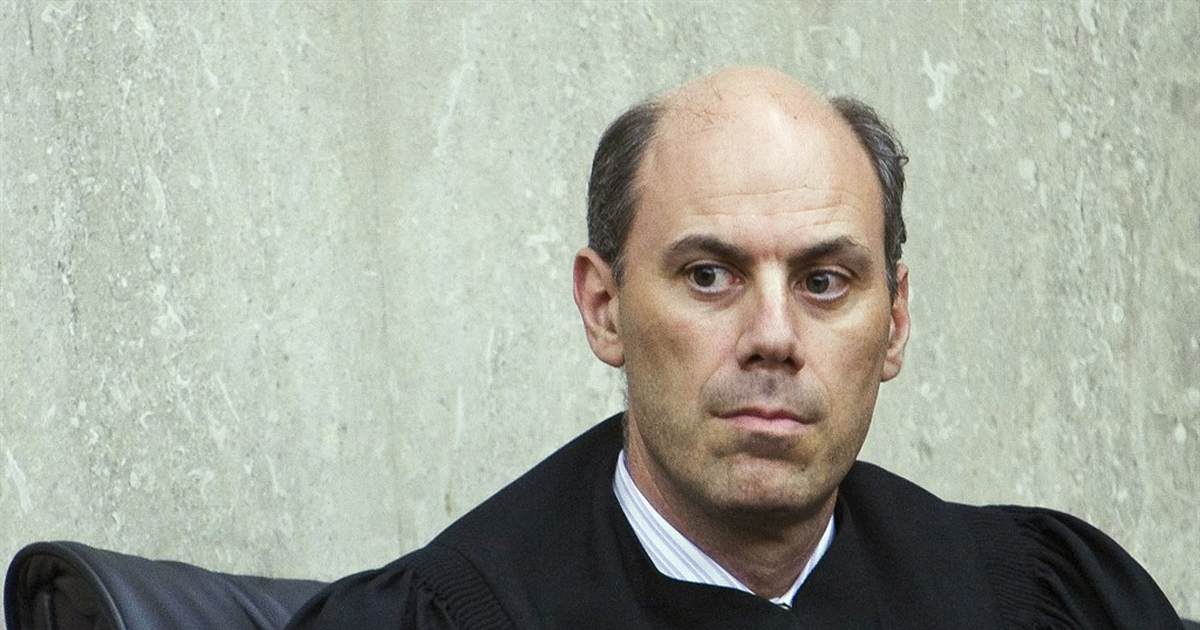
U.S. District Court Judge James Boasberg stepped into the center of another high-stakes dispute by preventing the Department of Justice from forcing Federal Reserve Chair Jerome Powell to comply with a subpoena. Boasberg is the same judge Republicans tried to impeach over the Arctic Frost matter, and he’s drawn attention for decisions that critics say tilt against the Trump administration. This ruling adds a new chapter to the growing tug-of-war between the judiciary and the executive branch.
In his written order, Boasberg included public comments from President Donald Trump about Powell and framed the subpoena as possibly political. He wrote that the administration appeared to be using legal tools “as a tactic to pressure Powell into lowering interest rates,” and he suggested the investigation led by U.S. Attorney Jeanine Pirro looked designed to bend Powell to political will. That line of reasoning pushed the judge to question the prosecutorial purpose behind the subpoenas.
🚨 BREAKING: US Attorney Jeanine Pirro just announced activist Judge Boasberg has BLOCKED a Grand Jury from investigating the Federal Reserve
Pirro says this block is TOTALLY ILLEGAL.
THE HOUSE NEEDS TO START IMPEACHING THESE ACTIVIST JUDGES. ENOUGH IS ENOUGH!
"As a result,… pic.twitter.com/7a5yz7sM4P
— Nick Sortor (@nicksortor) March 13, 2026
The decision itself was blunt about the court’s conclusion on intent. “Did prosecutors issue those subpoenas for a proper purpose? The Court finds that they did not,” Boasberg wrote, leaving little doubt where he came down on the question of motive. That language signals a judge unwilling to let prosecutorial powers be used for what he viewed as political ends.
Boasberg went further in his evaluation of the evidence and its meaning for the case against Powell. “On the other side of the scale, the Government has offered no evidence whatsoever that Powell committed any crime other than displeasing the President,” Boasberg continued, directly tying the alleged basis for the probe to presidential displeasure. Those sentences underline the court’s assessment that political displeasure is not the same as criminal conduct.
The court unsealed the opinion on a Friday afternoon, though the document itself was dated a couple of days earlier, written on Wednesday. That timing drew quick attention because it came during an already heated political moment, and opponents of the decision say it will only deepen distrust in the judicial process. Supporters of the ruling argue it protects officials from being hauled in for motives that are not law-based.
Conservatives who view the judicial branch as hostile to President Trump will see this as just another example of courts shaping policy through rulings that read political intent into prosecutorial actions. The ruling feeds that narrative by pointing at statements and moves that, in the judge’s view, suggested pressure rather than a straightforward criminal investigation. That interpretation has only widened the partisan split over how and when courts should intervene in sensitive political matters.
The order also put the spotlight on how law enforcement and the Justice Department handle probes that intersect with high-level policy decisions, like interest-rate choices at the Fed. When legal action appears entangled with policy disagreements, judges face the delicate task of separating legitimate investigation from political maneuvering. Boasberg’s ruling reflects a strict view: the court will not tolerate subpoenas issued for purposes the judge finds improper.
The episode will likely prompt renewed debate about checks and balances and how far the Justice Department can go when investigations brush up against political directives. Republicans who tried to impeach Boasberg will use this ruling to argue that judges are overreaching when they block executive tools, while others will claim the order prevents abuse of prosecutorial power. Either way, the decision raises familiar questions about the boundary between legal process and political pressure.
Editor’s Note: Unelected federal judges are hijacking President Trump’s agenda and insulting the will of the people.